




Nicosia Border Checkpoint overview
The Nicosia Border Checkpoint allows you to cross between the Republic of Cyprus in the south and the northern part of the island administered by Turkish Cypriots. Nicosia remains the last divided capital city in Europe, and walking across the checkpoint is one of the most unusual experiences you can have on the island.
This is not a tourist attraction in the traditional sense. It is an active border crossing point along what is known as the Green Line, a United Nations controlled buffer zone. Still, many visitors choose to cross, often out of curiosity or to explore both sides of the city in one day.
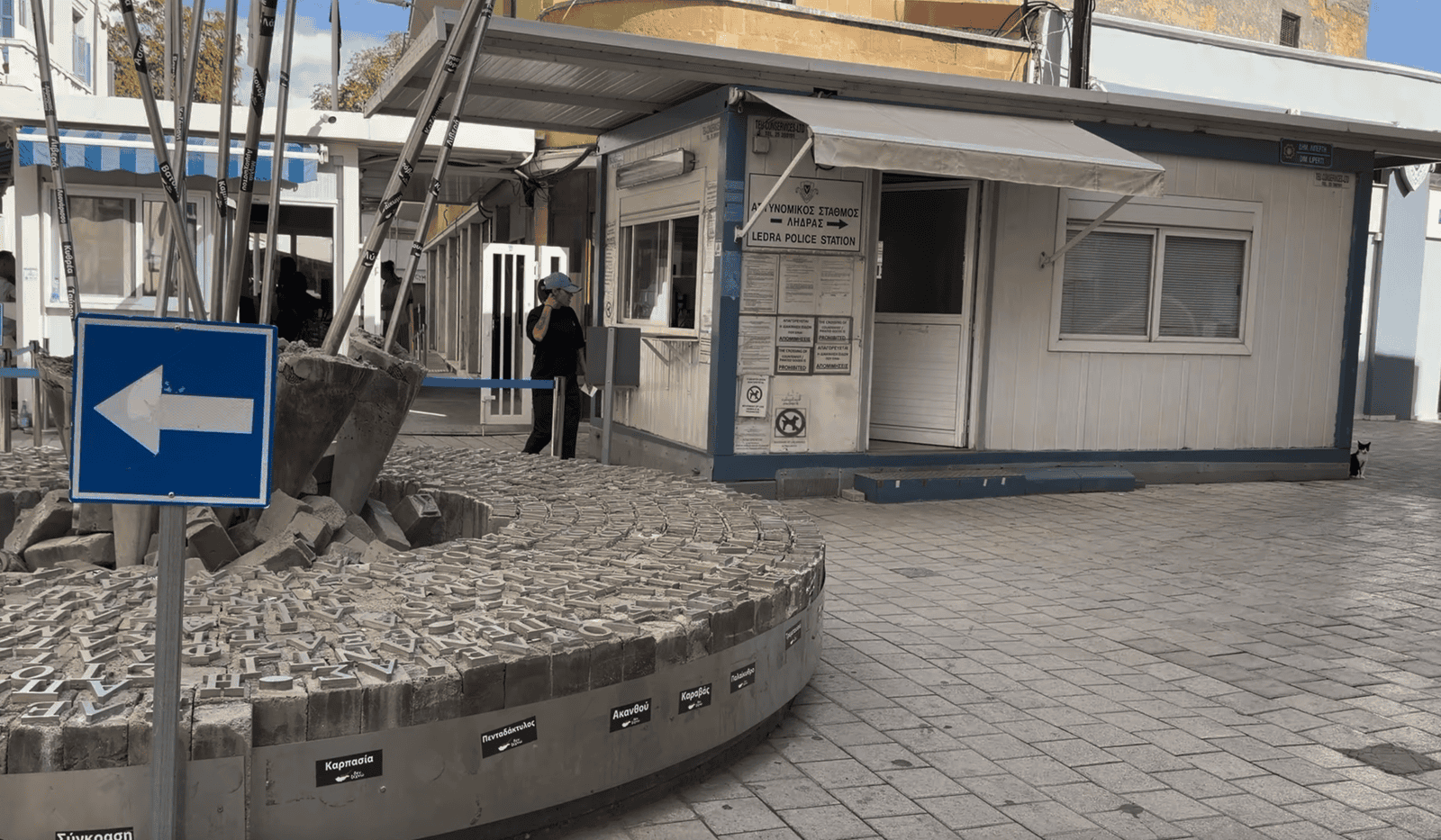
The most commonly used crossing for visitors is the Ledra Street checkpoint in the old town.
Why the Nicosia crossing matters
Cyprus has been divided since 1974 following political conflict and military intervention. The island remains split between the internationally recognized Republic of Cyprus in the south and the Turkish Cypriot administered north.
The Green Line runs through Nicosia’s historic center. Crossing here gives you a direct view of how politics shapes daily life. On one side you see EU member state infrastructure. On the other, you enter a different administrative system with its own currency use, signage, and services.
For many visitors, this short walk becomes one of the most memorable parts of a Cyprus trip.
Quick facts
- Main pedestrian crossing: Ledra Street
- Alternative crossing: Ledra Palace
- Type: Passport control checkpoint
- Crossing time: Usually 5 to 15 minutes
- Open: Daily
Where it is and how it works
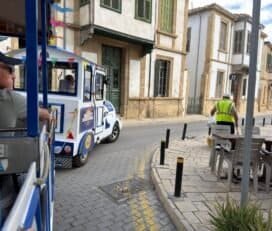
The Ledra Street checkpoint sits in the heart of Nicosia’s old town. You walk along a lively pedestrian shopping street, then suddenly reach passport control booths.
The process is simple.
- Show your passport at the first checkpoint
- Walk across the buffer zone area
- Present your passport at the second checkpoint
There is no large physical barrier. The crossing feels structured but calm.
Documents you need
You must carry your passport to cross. National ID cards may work for some EU citizens, but a passport is the safest option.
Visa rules depend on your nationality and how you entered Cyprus. Always check official guidance before traveling.
What the buffer zone looks like
Between the two passport points lies a short stretch controlled by the United Nations. This area includes preserved facades, sand colored walls, and subtle reminders of the division.
You may notice signs referencing the UN buffer zone. Photography is generally allowed, but avoid photographing military personnel or security installations.
Currency and practical differences
On the southern side, the currency is the euro. In the north, the Turkish lira is widely used, though euros are often accepted in tourist areas.
ATM access exists on both sides. Prices may differ, especially for food and shopping.
Insurance and car rental considerations
If you rent a car in the south, you cannot automatically drive it into the north without additional insurance purchased at the crossing.
Many visitors choose to cross on foot to avoid complications. Pedestrian crossing remains straightforward.
Best time to cross
Mid morning and early afternoon tend to move quickly. During peak tourist season or holiday weekends, queues can form, though they rarely become extreme.
Evenings may feel quieter, but check current opening times before planning a late crossing.
What to see on each side
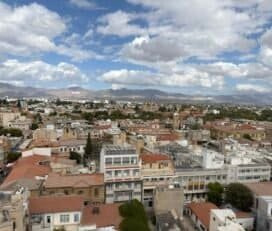
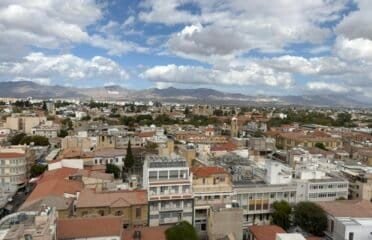
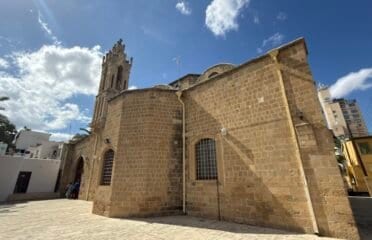
On the southern side, you find cafes, EU style shops, and restored Venetian era buildings. On the northern side, you encounter a different architectural atmosphere, with Ottoman era influences and distinct market streets.
Crossing gives you a chance to compare both halves of the same historic city.
Ledra Street crossing experience
Ledra Street is the most popular pedestrian route. The transition feels direct. One moment you are in a European Union capital. A few steps later, signage shifts language and currency.
The experience remains orderly. Security personnel are professional, and the process moves efficiently.
Ledra Palace crossing
The Ledra Palace checkpoint sits slightly west of the old town center. It handles pedestrian crossings and occasionally vehicles.
This crossing feels less commercial and more formal than Ledra Street.
Photography tips
The crossing itself is visually interesting, but be mindful.
- Avoid photographing passport control officers
- Do not photograph military equipment
- Focus on street scenes and architecture instead
Respect posted signage at all times.
Safety and awareness
The crossing remains safe for tourists. Both sides rely on tourism and maintain order at the checkpoint.
Still, treat it as a real border. Follow instructions. Carry identification. Stay calm and respectful.
How long you should plan
The crossing itself takes minutes. Exploring both sides of Nicosia takes several hours if you want to see museums, mosques, churches, and markets.
Many visitors spend half a day moving between the two areas.
Common mistakes to avoid
- Forgetting your passport
- Assuming car insurance transfers automatically
- Photographing restricted areas
- Not checking visa rules in advance
Sample half day plan
Cross city exploration
- Morning walk through southern old town
- Cross at Ledra Street
- Explore northern markets and architecture
- Return in the afternoon for dinner in the south
Common questions
Is it safe to cross? Yes, for most travelers. Check official travel advisories first.
Do you need a visa? It depends on your nationality and entry route.
Is it worth crossing? Yes, if you want to understand Cyprus beyond the beaches.
 Rate it or leave a comment!
 Own or work here?