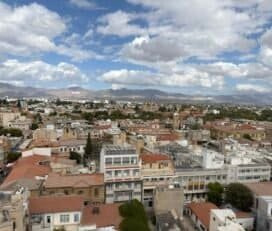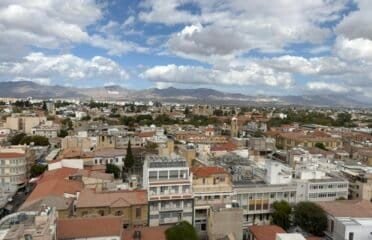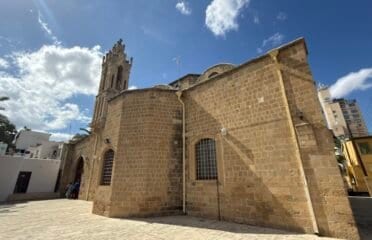




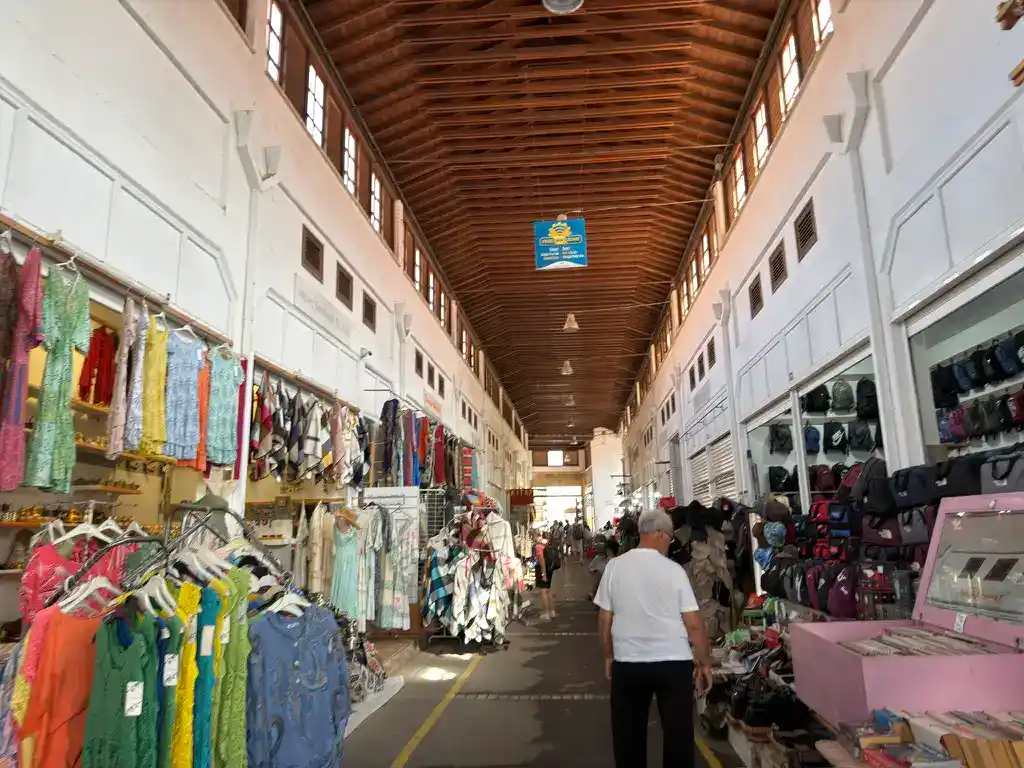

Bandabulia Market overview
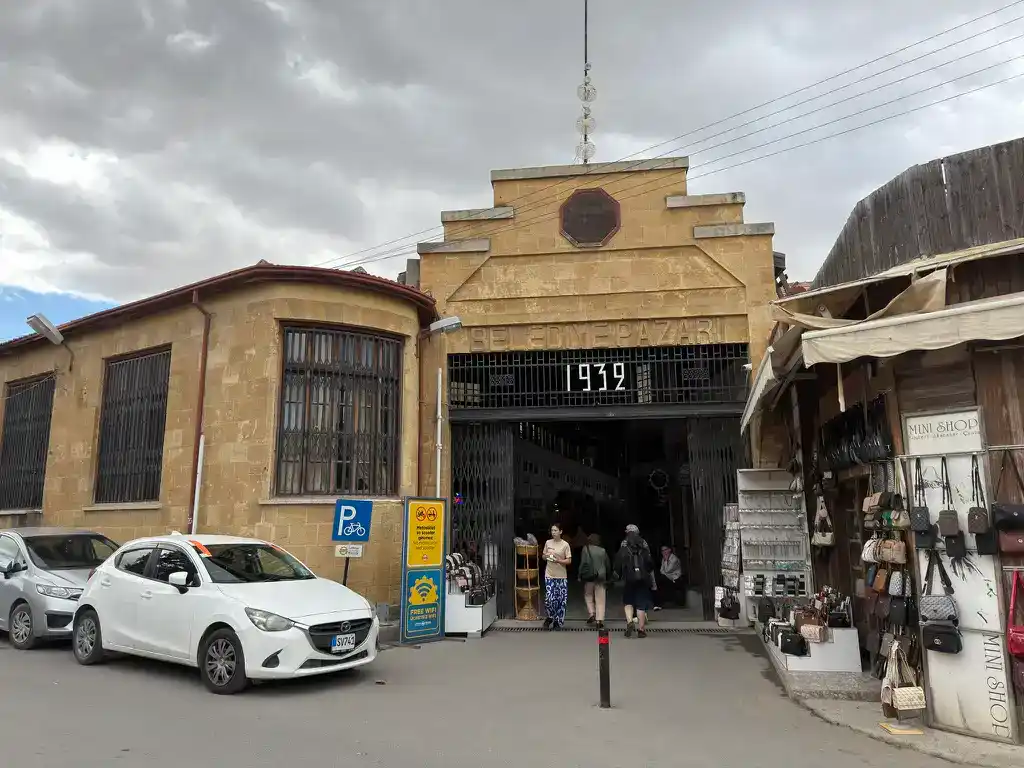
Bandabulia Market, also known as the Municipal Market of Nicosia, sits inside the northern part of the old city, not far from the Ledra Street border crossing. This is a traditional covered market housed in a historic stone building, and it offers a glimpse into everyday life beyond the main tourist streets.
The market is not massive, and it is not flashy. What it offers instead is atmosphere. You walk through arched entrances into a hall filled with produce stalls, small food vendors, and local goods. A typical visit takes 30 to 60 minutes, depending on whether you stop to eat.
Why Bandabulia matters
Bandabulia represents the older rhythm of Nicosia before modern malls and chain stores took over. Markets like this have long served as community gathering points, where people shop for fresh vegetables, olives, spices, and bread.
Because it sits in North Nicosia, the market also reflects the island’s divided reality. Crossing the Green Line and stepping into Bandabulia gives you a more local and less polished experience than the southern shopping streets.
Quick facts
- Location: North Nicosia old town
- Also known as: Municipal Market
- Type: Covered food and produce market
- Typical visit time: 30 to 60 minutes
- Best for: Local atmosphere and quick bites
Where it is and how to get there
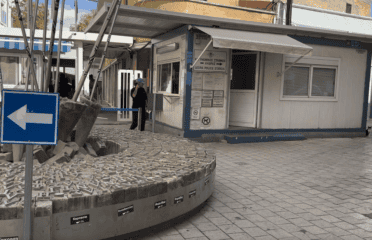
Bandabulia sits within walking distance of the Ledra Street checkpoint. If you cross from the south into the north, it takes only a few minutes on foot through the old town streets.
- Walk from Ledra Street crossing
- Follow signs toward the municipal market
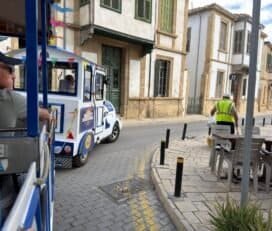
- Short stroll through narrow historic streets
The building stands out with its stone facade and arched entrances.
The building itself
The structure dates back to the early 20th century. Its design reflects colonial era influences, with high ceilings and a central hall layout.
Inside, natural light filters through upper windows, giving the market a warm and open feel. It is compact enough to explore quickly but large enough to feel active.
What you will find inside
Bandabulia focuses on fresh goods and simple local products.
- Seasonal fruits and vegetables
- Olives and olive oils
- Spices and dried herbs
- Fresh bread and pastries
- Local cheeses and dairy products
Some vendors also sell prepared foods, making it easy to grab a quick lunch.
Food experience
If you arrive around midday, the market feels livelier. Locals stop in for quick meals, coffee, or ingredients for dinner.
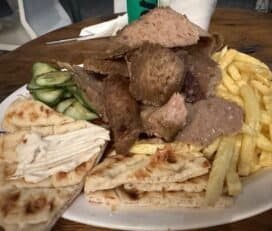
You may find small eateries serving traditional dishes such as gözleme, kebabs, or simple meze plates. Portions tend to be generous and prices reasonable compared to tourist heavy areas.
Best time to visit
Morning offers the freshest produce and the most authentic shopping atmosphere. By late afternoon, some stalls begin closing.
Weekdays feel more local. Saturdays can be busier, depending on the season.
Currency and payment
In North Nicosia, the Turkish lira is the main currency, though many vendors accept euros.
Cash works best for small purchases. Some vendors may not accept cards.
Atmosphere and pace
Bandabulia feels relaxed rather than chaotic. Vendors are used to tourists but still focus primarily on serving locals.
You can browse slowly without pressure. Conversations often happen in Turkish, though basic English is common in tourist facing stalls.
Photography tips
The market interior offers good light for photos.
- Capture rows of produce for color contrast
- Photograph architectural arches and ceiling details
- Ask before taking close up shots of vendors
Respect personal space and avoid blocking narrow aisles.
Facilities and comfort
The market includes basic facilities and nearby cafes. Seating may be limited inside, but outdoor tables sometimes appear around the building.
Air circulation varies depending on season. Summer afternoons can feel warm inside.
How it compares to other Cyprus markets
Bandabulia feels smaller and more intimate than larger markets in bigger Mediterranean cities. It does not overwhelm you with endless stalls.
Its strength lies in its authenticity. You are not entering a staged tourist market. You are stepping into a neighborhood shopping space that has adapted gradually over time.
Combining Bandabulia with other stops
The market fits easily into a broader North Nicosia exploration.
- Selimiye Mosque nearby
- Buyuk Han courtyard and shops
- Walk along the old city walls
You can build a half day route that includes culture, history, and food within a small walkable area.
Sample visit plan
Old town food walk
- Cross at Ledra Street
- Visit Bandabulia Market
- Lunch at a nearby local eatery
- Explore Buyuk Han
Common questions
Is Bandabulia worth visiting? Yes, especially if you want a local food focused stop.
Is it large? No. It is compact and easy to explore.
Is it touristy? It attracts visitors, but it still serves everyday local shoppers.
 Rate it or leave a comment!
 Rate it or leave a comment!
 - Open Now08:30 AM - 05:30 PM

- Monday08:30 AM - 05:30 PM
- Tuesday08:30 AM - 05:30 PM
- Wednesday08:30 AM - 05:30 PM
- Thursday08:30 AM - 05:30 PM
- Friday08:30 AM - 05:30 PM
- Saturday08:30 AM - 06:00 PM

 Own or work here?
Nearby Places to Eat and Drink See All