




Hong Kong Travel Guide
Hong Kong Travel Guide Overview Hong Kong travel guide basics first: this is a city that stacks itself. Mountains drop into the harbor, reclaimed land gets built
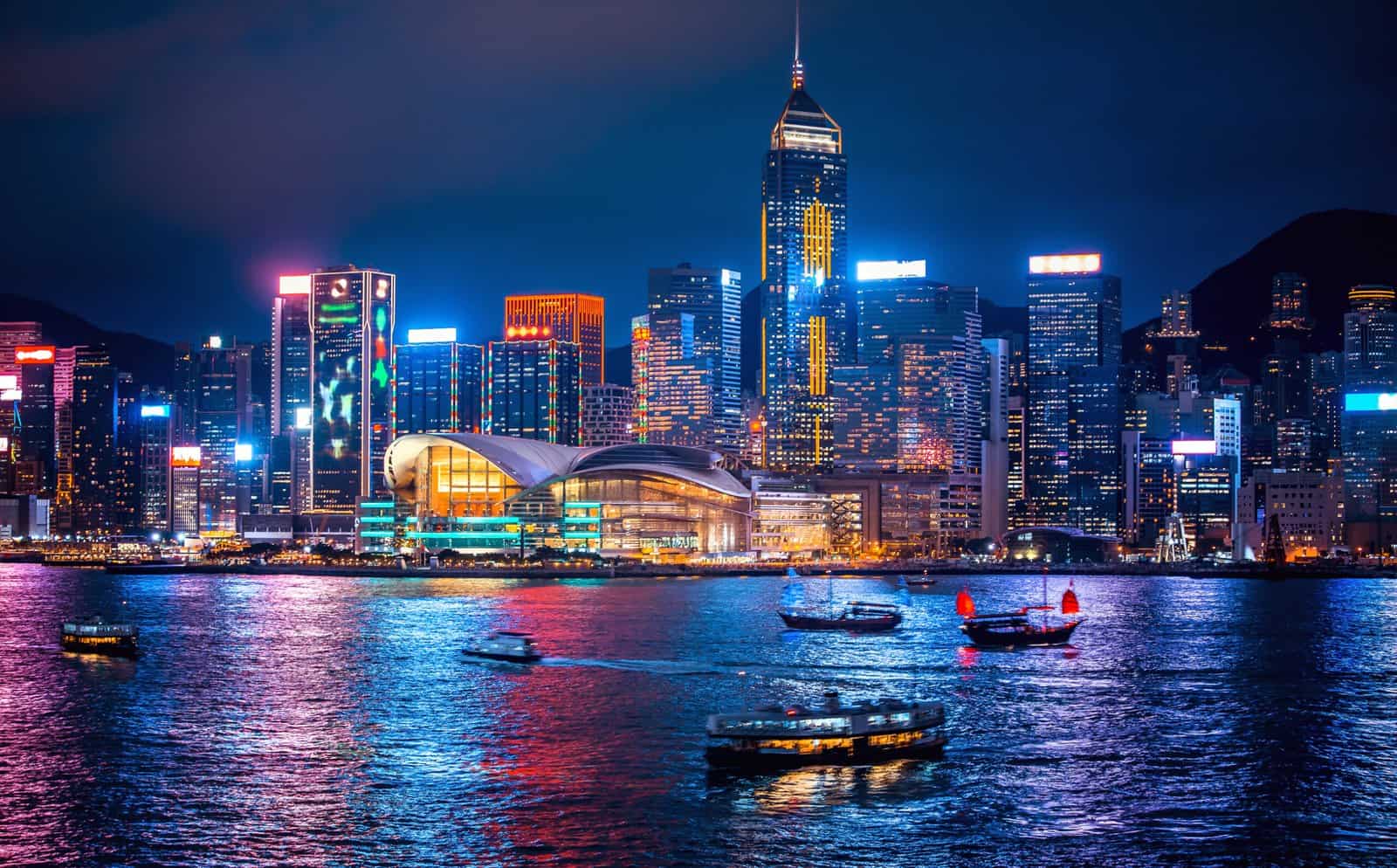
Hong Kong travel guide basics first: this is a city that stacks itself. Mountains drop into the harbor, reclaimed land gets built over, towers climb wherever they can. It feels tight. It is tight. Yet you’ll get wide-open trails, beaches, and quiet islands if you push past the obvious streets.
Hong Kong is the Hong Kong Special Administrative Region of China. Cantonese runs daily life. English is everywhere on signs, menus, transit. Mandarin shows up more now than it used to. Money is HKD. The city is built for motion: tap, ride, walk, climb, repeat. If you’re looking for “slow,” Hong Kong won’t pretend. It hits you first, then you start noticing small things—incense smoke rolling under a ceiling fan, bamboo scaffolding tied by hand, an elderly guy carrying live fish home in a plastic bag, like it’s nothing.
There’s a lot of history under the glass. Hong Kong grew as a major port after British control began in 1841 and expanded to include Kowloon and the New Territories. In 1997 it transferred to China under “one country, two systems.” That background still shapes how the city works and how it feels. You’ll see British-era street names beside Cantonese temples and brand-new infrastructure.
One more thing: space is expensive. Rooms run small. Sidewalks run busy. Lines form fast. If you accept that, the city becomes easier. Hong Kong rewards people who keep moving and stay curious.
Hong Kong weather is not subtle. It’s humid for long stretches, then it flips to crisp. Plan around heat and rain more than “seasons.”
Autumn (roughly October to early December) is the best all-around time. Lower humidity. Clearer skies. You actually see the skyline instead of staring into haze. Hiking feels good again, not like punishment. Prices rise because everyone knows it’s the best.
Winter (December to February) stays mild but damp. Some days can feel surprisingly chilly indoors because air moisture plus light building insulation makes cold stick around. It’s still great for long city walks, museums, and food. Chinese New Year can land in late January or February and it changes everything—crowds, hotel rates, restaurant bookings, the whole tempo.
Spring (March to May) warms up and gets hazy. Some days are gorgeous; other days the skyline disappears into mist and you wonder if Victoria Harbour is even there. It’s fine if you’re flexible and not chasing perfect views.
Summer (June to September) is hot and sticky, with regular downpours. Typhoons are possible. It can still be fun—beaches, islands, lush green hills—but you need to slow down midday. The city’s air conditioning is aggressive too, so you bounce between sweat outside and cold blasts inside.
For storm tracking, Hong Kong runs a structured warning system. Keep the Hong Kong Observatory link handy and take it seriously, especially if you’re relying on ferries or flying out soon: https://www.hko.gov.hk/en/
Where you stay matters more than you think because Hong Kong is dense and vertical. A “short distance” on the map can turn into staircases, footbridges, escalators, plus a crowded MTR transfer. Pick a base that matches how you travel.
Central (Hong Kong Island) is the money core. Tall towers, fast pace, rooftop bars, big-name hotels. Convenient for first-timers who want the skyline and don’t mind paying for it. Rooms can still be compact even at luxury pricing. That’s Hong Kong.
Sheung Wan sits next to Central but feels older and more local. You get dried seafood shops, small temples, antique stores, plus cafés tucked into side streets. Still close to everything. Better “Hong Kong texture” without being far away.
Sai Ying Pun is residential with a newer wave of restaurants and bars. A little less glossy. A bit more lived-in. It’s a smart choice if you want easy access to Central without sleeping inside Central’s noise and cost.
Wan Chai is mixed. Nightlife, markets, offices, local housing all pushed together. You can have a quiet block and a loud block one minute apart. It’s practical and central, but not calm.
Causeway Bay is shopping-heavy, bright, crowded. Good transport links. If your plan includes a lot of retail and quick access to the MTR, it works. If you want peace, it won’t help you.
Tsim Sha Tsui (Kowloon) is classic tourist territory. Waterfront promenade, museums, easy ferry access to Central. Busy sidewalks. Lots of hotels. It’s convenient, just crowded and bright.
Jordan / Yau Ma Tei / Mong Kok (Kowloon) lean more local-feeling and more intense. Markets, street food, neon, tight lanes. Great if you want energy and food access. Not great if you’re sensitive to noise.
Sai Kung (New Territories) is for nature-first travelers. Seafood by the water, beaches, hikes, a slower rhythm. Downside: commuting into the urban core takes time. Worth it if you want a different Hong Kong.
Lantau (Tung Chung) is practical if you’re arriving late or leaving early, because it’s near the airport and the Ngong Ping cable car base. More modern, less character. But it’s calm.
If you’re traveling as a couple and want easy romantic views, aim for the harborfront on either side. If you’re a solo traveler and want walkable chaos, Kowloon can be perfect. Families often do better with slightly larger rooms on Hong Kong Island or newer properties in Kowloon West.
Most people arrive through Hong Kong International Airport (HKG) on Chek Lap Kok. It’s efficient and straightforward, even when busy. Official site: https://www.hongkongairport.com/
The fastest airport-to-city connection is the Airport Express (MTR). It runs to Hong Kong Station (Central area), Kowloon Station, and Tsing Yi. It’s quick and clean. Not the cheapest, but after a long flight you’ll probably pay for the speed. Airport Express fares and info (MTR): https://www.mtr.com.hk/en/customer/tickets/tf_index.html
If you’re coming from mainland China by high-speed rail, you’ll arrive at Hong Kong West Kowloon Station. Border checks are handled inside the station, so it’s smooth but formal. High Speed Rail (MTR) official hub: https://www.highspeed.mtr.com.hk/en/main/index.html
Ferries connect Hong Kong with Macau and parts of the Pearl River Delta. Arriving by sea is slower but it hits different, especially at dusk. Skyline builds slowly, then it’s just there.
Overland crossings from Shenzhen are common too, but queues can spike around holidays and weekends. If you do this, keep your schedule loose.
Hong Kong transport is a strength. It’s one of the easiest big cities to move through if you don’t fight the system.
MTR is the backbone. Fast trains, clear English signage, frequent service. Stations are integrated into malls and footbridge networks so you’re often walking “inside” the city, not on the street.
Octopus Card is the key tool. It’s a stored-value tap card used for transit plus tons of small purchases. Tourist info straight from Octopus: https://www.octopus.com.hk/en/consumer/tourist/what-is-octopus/index.html
Trams run on Hong Kong Island only. They’re slow in the best way. Ride upstairs, front seat, watch the city pass at human speed.
Buses cover the gaps and get you to beaches and trailheads. They’re reliable, but some routes take a minute to understand. Use maps on your phone and you’ll be fine.
Minibuses (green and red) are faster, more local, sometimes chaotic. They can be brilliant when you know where you’re going, less fun when you don’t.
Star Ferry is the easy harbor crossing and it’s iconic for a reason. It costs very little and gives you a mini skyline cruise every time. Official fares and service details: https://www.starferry.com.hk/en/service
Taxis are plentiful and usually fair. Cash can be easier. Drivers may not speak much English, so having your destination written down helps.
Also: walking. But Hong Kong walking includes escalators, footbridges, steep streets, sudden staircases. Wear shoes that don’t hate you.
Tip 1: Buy or set up your Octopus fast. You’ll use it constantly. Transit plus convenience stores. It removes friction.
Tip 2: Look up more than you think. The city is vertical. The best details are overhead—signs, scaffolding, apartment life.
Tip 3: Ride the Star Ferry twice. Once in daylight, once at night. Different city each time. Same water though.
Tip 4: Don’t schedule every meal. Hong Kong rewards random eating. You’ll pass something good. Stop. Eat. Move on.
Tip 5: Bring a light jacket even in summer. Indoor air conditioning is cold, malls can feel like winter.
Tip 6: Weekday rush hour on the MTR is real. If you can shift your start time by 30 minutes, do it. It changes your stress level.
Tip 7: Hike early. Dragon’s Back, Lantau trails, even smaller urban hikes. Start before the heat and crowds.
Tip 8: If you see a line at a roast meat shop, take it as a sign. High turnover is usually a good sign here.
Tip 9: Keep cash for older local cafés and small dessert shops. Cards are common, but not universal.
Tip 10: Use the tram for a cheap “city tour.” Sit upstairs. It’s slow, but the view is steady and you notice more.
Tip 11 (outside-the-box): Spend one evening away from the harborfront. Go deep Kowloon—Yau Ma Tei, Sham Shui Po, or just drift. It’s less curated. More real.
Tip 12 (outside-the-box): Go to an outlying island even if you think you “don’t have time.” Cheung Chau or Lamma can reset your brain. Hong Kong is not only towers.
Tip 13: Watch storm warnings in summer. Ferries get suspended and flight schedules wobble. Don’t ignore it. Use the Observatory: https://www.hko.gov.hk/en/
Hong Kong costs are uneven. You can eat cheaply and ride cheap, then spend a shocking amount on a small hotel room. That’s the pattern.
Lodging: Budget rooms (often tiny, sometimes windowless in older buildings) can start around 600–900 HKD per night in parts of Kowloon. Mid-range hotels commonly sit around 1,200–2,500 HKD. Harbor-view and luxury properties can jump well above 4,000 HKD, and it climbs fast in peak season.
Food: A solid local noodle bowl might be 40–70 HKD. Cha chaan teng breakfasts often land around 45–70 HKD. Mid-range restaurants can be 150–300 HKD per person without trying hard. Fine dining goes 800 HKD and up, and tasting menus can blow past that.
Transportation: Everyday MTR trips are usually inexpensive. Star Ferry rides are famously cheap. The Airport Express is a premium product—fast, clean, priced higher (see MTR fares here: https://www.mtr.com.hk/en/customer/tickets/tf_index.html ).
Activities: Hiking is free. Many museums are low-cost. Big-ticket attractions—like cable cars and premium viewpoints—add up. It’s easy to spend nothing in a day here, then spend a lot the next day.
If you want a blunt daily budget: budget traveler (excluding lodging) can manage around 400–700 HKD/day. Comfort travelers often land around 800–1,500 HKD/day. Nightlife and shopping can double it without warning.
Food is not a side activity here. It’s the rhythm of the city.
Dim sum is non-negotiable. Har gow shrimp dumplings, siu mai, char siu bao, rice noodle rolls, little plates stacking up until you lose count.
Wonton noodles are the everyday classic—springy egg noodles, shrimp wontons, clean broth that looks simple but tastes like it took time.
Roast meats show up everywhere: char siu (barbecue pork), crispy roast pork belly, soy sauce chicken, sometimes roast goose if you find a good specialist. You’ll see the meats hanging in the window. That’s normal.
Egg tarts are a must. Flaky crust versions and shortcrust versions both exist. Buy two because one disappears instantly.
Pineapple buns have no pineapple. Sweet crackly topping, soft bread, often split open with a slab of butter melting inside. It’s messy, worth it.
Hong Kong milk tea is strong and silky. Sometimes hot, sometimes iced. If you like tea, you’ll be happy. If you don’t, try it anyway.
Congee is a morning move—rice porridge with fish, pork, century egg, whatever the shop does best.
Claypot rice is a cooler-month favorite. The crispy rice at the bottom is the point. If you don’t get that crunch, you missed the best part.
Street snacks matter too: curry fish balls, egg waffles, skewers, tofu snacks. Some are touristy. Some are great. You test and adjust.
This section is a straight list, no long speeches. You can build your route around these and still have a full trip.
Victoria Peak for the skyline view. Go early morning or later evening. Midday can be hazy. Peak Tram official site: https://thepeak.com.hk/
Peak Tram itself is part of the experience. It’s been running since 1888. Hong Kong Tourism Board info: https://www.discoverhongkong.com/us/place-to-go/attractions/peak-tram.html
Victoria Harbour promenade on the Kowloon side for night views and photos that actually work even if you’re not a photographer.
Star Ferry ride (Central ↔ Tsim Sha Tsui). It’s transportation plus a view. Service and fares: https://www.starferry.com.hk/en/service
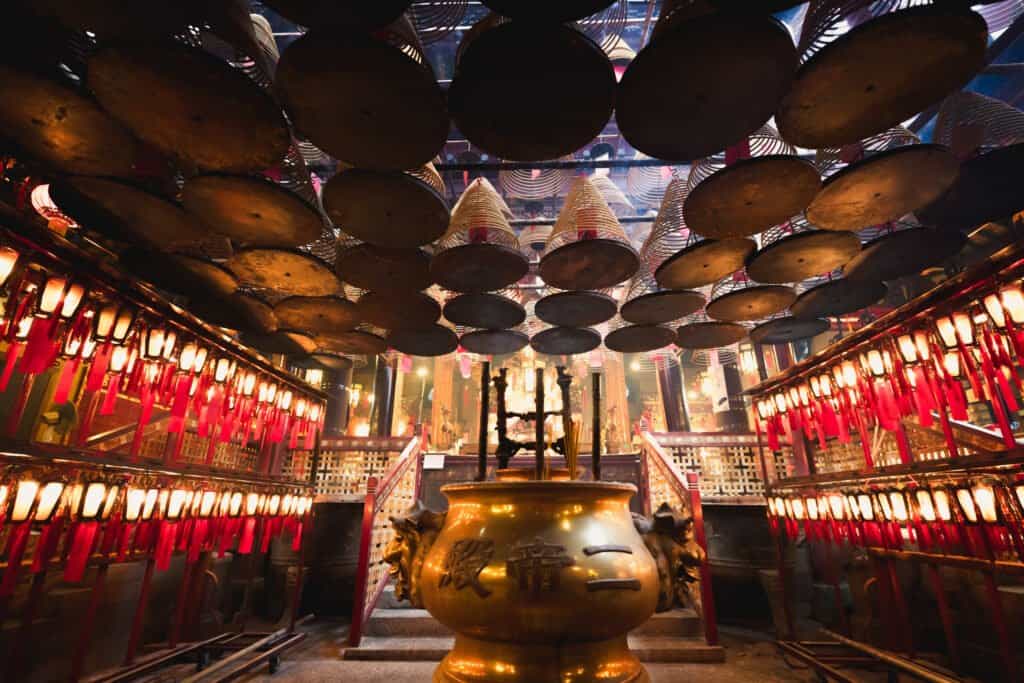
Man Mo Temple in Sheung Wan for incense coils and old-city atmosphere squeezed into modern streets.
Wong Tai Sin Temple if you want an active temple scene with worshippers, rituals, and color everywhere.
Chi Lin Nunnery and Nan Lian Garden for calm that feels unreal considering the city around it.
Ngong Ping 360 cable car on Lantau for the aerial views, then the village area. Official site: https://www.np360.com.hk/en/
Tian Tan Buddha (Big Buddha) on Lantau. You climb steps. You sweat. You get the payoff. It’s iconic for a reason.
Tai O fishing village for stilt houses and a slower, older coastal feel.
Dragon’s Back hike for the “wait, this is Hong Kong?” moment—ridge walk, sea views, then you end near the coast.
Temple Street Night Market for late-night wandering. Some of it is touristy now. Still fun if you treat it like a stroll, not a mission.
PMQ (design studios) for a modern creative scene inside a repurposed historic building.
Hong Kong restaurant picking is endless. These are a mix—famous, local classics, plus a few “messy but great” stops. Lines happen. Deal with it.
Tim Ho Wan for famous dim sum at a casual price point. Go off-peak if you can.
Yung Kee in Central for classic Cantonese roast goose fame and old-school dining-room energy.
Yat Lok for roast goose in a simpler, more everyday setting. Quick meal, strong flavors, usually a queue.
Mak’s Noodle for wonton noodles. Classic Hong Kong comfort food, the kind you could eat twice in a trip and not regret.
Australia Dairy Company for a chaotic cha chaan teng experience—fast service, eggs, milk tea. Don’t expect gentle hospitality. Expect speed.
Kam Wah Café in Mong Kok for pineapple buns (especially with butter). It’s simple and it works.
Mott 32 for upscale Chinese dining in a dramatic interior. Reservations help.
Ho Lee Fook for loud, modern Cantonese flavors and a party vibe.
Duddell’s for a polished Cantonese experience that feels artsy and high-end without being stiff.
Under Bridge Spicy Crab (Wan Chai) if you want typhoon shelter crab and strong garlic flavor. It’s messy. Embrace it.
Sai Kung waterfront seafood restaurants for the pick-your-seafood-from-the-tank meal. Go with friends if possible. More dishes, more fun.
One last blunt note: Hong Kong dining can be fast and direct. Tables turn. Staff might sound abrupt. Don’t take it personally. It’s pace, not hate.
Hong Kong Travel Guide Overview Hong Kong travel guide basics first: this is a city that stacks itself. Mountains drop into the harbor, reclaimed land gets built
Hong Kong Travel Guide Overview Hong Kong travel guide basics first: this is a city that stacks itself. Mountains drop into the harbor, reclaimed land gets built

Ap Lei Chau Market & Cooked Food Centre – Hong Kong’s Seafood Heartbeat Ap Lei Chau Market & Cooked Food Centre on Hung Shing Street is the beating heart of seafood culture

Wing – Elevated Chinese Dining on the 29th Floor, Central Wing, perched atop The Wellington at 198 Wellington Street, is the second restaurant from acclaimed chef Vicky Cheng

Ho Lee Fook – Edgy Cantonese in Central’s Soho Ho Lee Fook (1–5 Elgin St, SoHo, Central) is a bold, late-night Cantonese restaurant brimming with attitude—and pho—celebrated for its irreverent menu,
8 1/2 Otto e Mezzo – Bombana in Hong Kong, China, holds three Michelin stars. Known for its exquisite Italian cuisine, the restaurant serves innovative dishes created
Caprice in Hong Kong, China, is a Michelin three-star restaurant. Offering classic French cuisine, Caprice emphasizes fresh ingredients, expert execution, and an elegant dining ambiance.
 Rate it or leave a comment!
• Create Travel Plans/Trips
• Collect Places You've Been
• Connect with Like-Minded Travelers
• Contribute to the Community by Posting New Recommendations
Already Registered? Login.


 Own or work here?