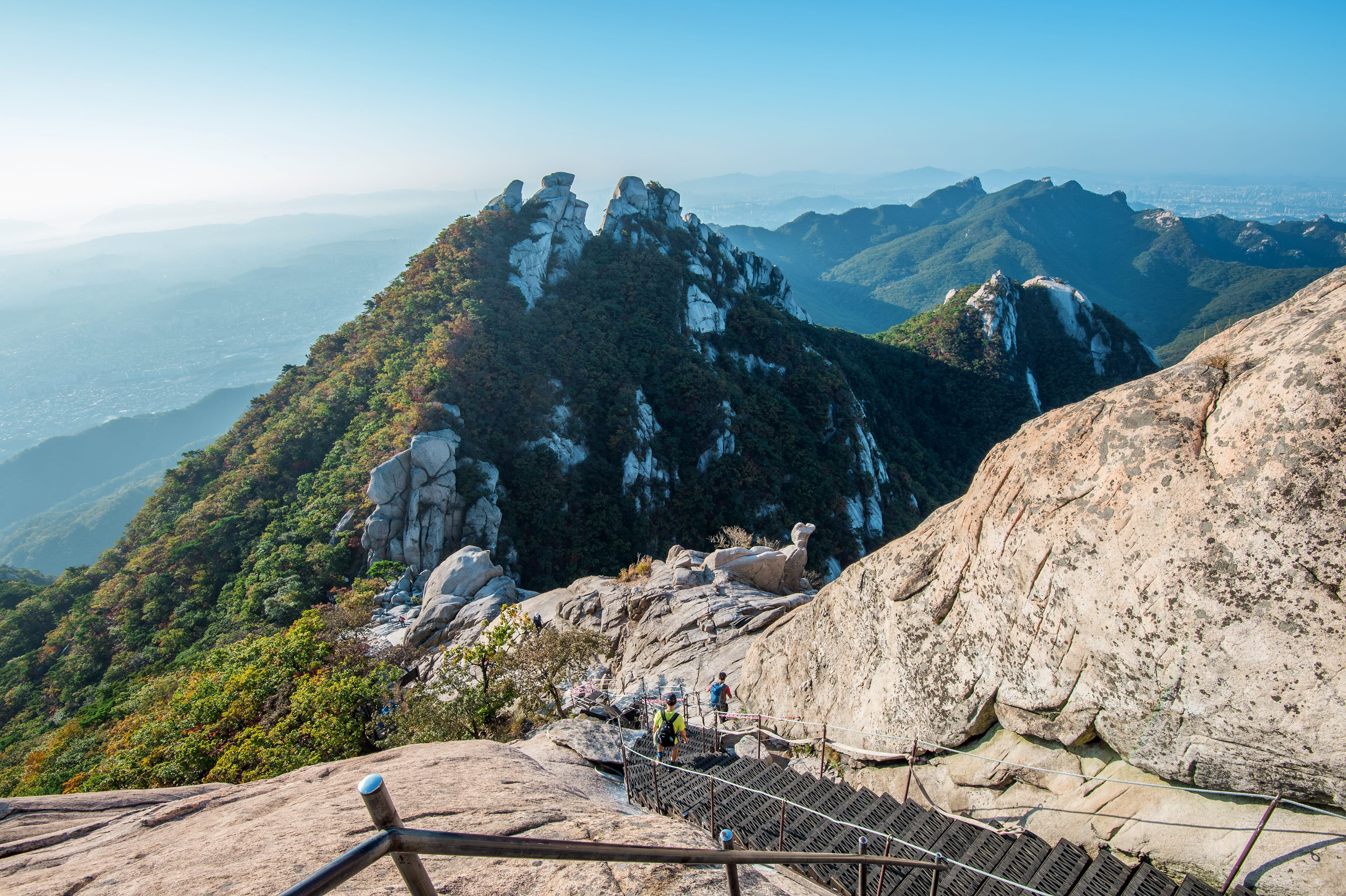






Korean Demilitarized Zone (DMZ) – South Korea
Overview
The Korean Demilitarized Zone, called the DMZ, divides North Korea and South Korea. It formed under the Korean Armistice Agreement on July 27, 1953. The DMZ runs about 250 kilometers across the Korean Peninsula. Its width is about 4 kilometers. A military line sits in the middle. Guards and fences sit on both sides of the zone. Many visitors come from Seoul on guided day trips. The visit feels serious, quiet, and very real.
Why Visit
- See one of the world’s most famous border zones in person
- Learn clear facts about the Korean War and the armistice
- Look into North Korea from official observation points
- Visit sites linked to talks and military contact
- Understand modern Korean history through real places and real rules
Key Sites You Can Visit
- Imjingak Peace Park: A main stop with memorials and viewing areas near the border
- Dora Observatory: A lookout that faces North Korea and the city of Kaesong on clear days
- Third Tunnel of Aggression: A tunnel found in October 1978 near Paju
- Dorasan Station: A symbolic station rebuilt in 2002 near the DMZ
- Joint Security Area (JSA): A controlled meeting area near Panmunjom, open only on select tours
History & Political Context
The Korean War began on June 25, 1950. Fighting stopped with an armistice on July 27, 1953. The armistice did not create a peace treaty. So the war did not formally end. The agreement set a Military Demarcation Line near the last front line. Both sides pulled troops back 2 kilometers from that line. This created a buffer zone that became the DMZ.
The DMZ does not follow the 38th parallel in a straight line. It cuts across it at an angle. Over decades, both sides built guard posts and barriers near the border of the DMZ. Many incidents took place near the line. The DMZ also became a focus of global news during high-level meetings. The Joint Security Area near Panmunjom is one of the best-known sites. Access depends on security conditions and tour rules on that day.
Wildlife and Environment
People rarely enter the DMZ itself. This long gap in development helped nature return. Forests and wetlands stayed intact in many areas. Scientists have recorded rare animals in the wider border region. Red-crowned cranes are a well-known example. Some protected species live near rivers and rice fields close to the DMZ. This mix of strict security and low access created an unusual refuge for wildlife.
Can you visit the DMZ for nature alone? You can see natural areas near tour sites, and the core zone stays restricted.
Typical Costs & Tour Rules
You cannot travel inside DMZ tour areas on your own. You must join an approved tour. Most tours leave from Seoul early in the morning. Many half-day tours cost around US$30 to US$70, based on route and group size. Tours that include more stops can cost more. Some tours include the JSA, and these tours often require extra screening.
Rules matter at the DMZ. Guides will brief you before entry. Dress codes often apply. Neat casual clothing works best. Avoid ripped clothing and open-toe shoes. Security staff can restrict photos in certain zones. Tour staff may ask for your passport details. Some tours require you to bring your passport on the day.
Closures can happen with no warning. This happens for one reason: the military changes access based on safety and conditions.
Best Time to Visit
Spring and autumn bring the most comfortable weather. These seasons also bring clearer views at the observatories on many days. Summer can bring haze and heat. Winter can feel very cold on exposed platforms. Morning tours often give better visibility and fewer crowds. Try to book on a weekday for a calmer visit.
Nearby Experiences
Most visitors pair the DMZ with a history stop in Seoul. The War Memorial of Korea explains the Korean War with large exhibits. The National Museum of Korea adds older history that shaped the peninsula. These places help you connect the border sites with the bigger story. You can also explore the area around Seoul Station and City Hall after your tour ends. Many DMZ tours drop you in central Seoul in the afternoon.
Travel Tips
- Book your tour early, especially for weekends and peak seasons
- Bring your passport if your tour requires it
- Wear closed-toe shoes for tunnel visits and long walking paths
- Carry water and a light snack for bus rides and waiting time
- Follow guide instructions at checkpoints and inside restricted areas
Key Facts
- The DMZ is about 250 kilometers long and about 4 kilometers wide
- It was created under the armistice signed on July 27, 1953
- The buffer zone formed from a 2 kilometer pullback on each side of the line
- The Third Tunnel was discovered in October 1978 near Paju
- Dora Observatory operates on a tour system and often closes on Mondays
 Rate it or leave a comment!
 Rate it or leave a comment!
  Open Now09:00 AM - 06:00 PM
- Tuesday09:00 AM - 06:00 PM
- Wednesday09:00 AM - 06:00 PM
- Thursday09:00 AM - 06:00 PM
- Friday09:00 AM - 06:00 PM
- Saturday09:00 AM - 06:00 PM
- Sunday09:00 AM - 06:00 PM

 Own or work here?
Nearby Places to Eat and Drink See All


Nearby Places to See and Do See All