





Chinatown – Chicago, Illinois
Overview
Chicago Chinatown sits on the South Side of :contentReference[oaicite:1]{index=1}, about two miles south of downtown. The neighborhood centers along Wentworth Avenue and Cermak Road. It formed in the early 1900s, after Chinese residents moved south from older downtown locations. Today, Chinatown remains an active residential and cultural area. It mixes food, daily life, parks, shops, and long-standing community groups. A visit here feels grounded and local, not staged.
Why Visit
- Eat some of the city’s best Chinese food in one area
- See architecture shaped by tradition and migration
- Walk a neighborhood that still serves its residents
- Visit shops and bakeries used every day
- Reach the area easily by public transit
First Impressions
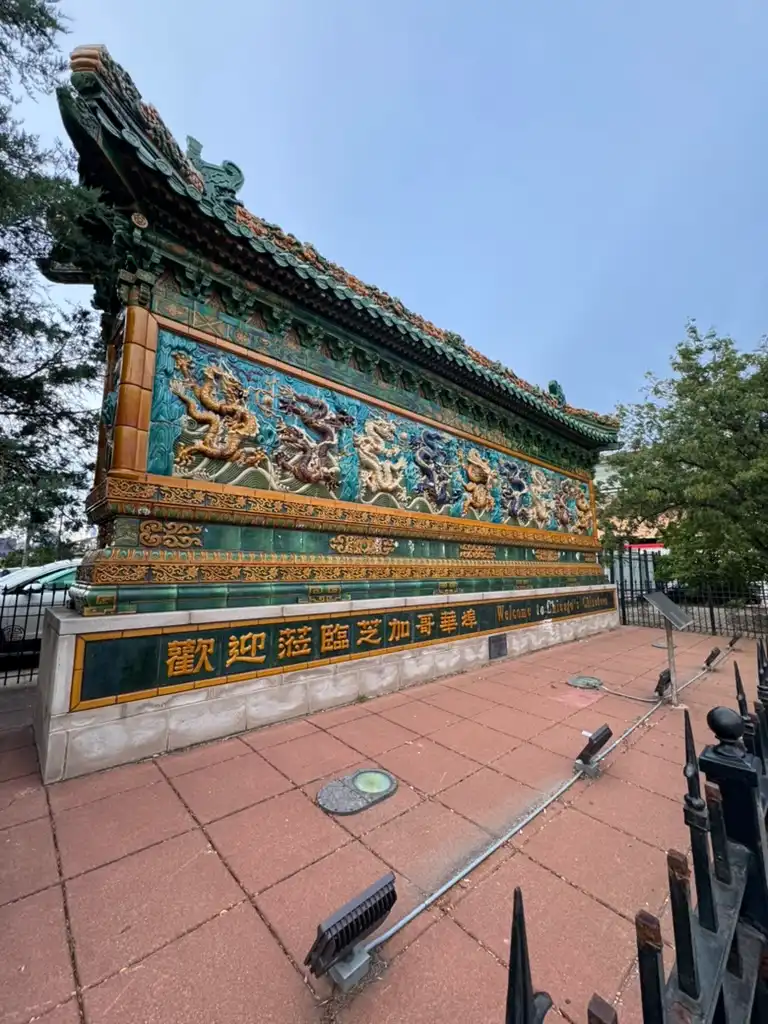
Most visits start near the Chinatown Gate on Wentworth Avenue. The gate stands tall and marks the heart of the neighborhood. Red pillars and green roof tiles frame the street. Traffic moves through, and foot traffic stays steady. You hear a mix of languages. Grocery bags pass by. This feels like a place where people live, not just visit.
The Streets and Layout
Wentworth Avenue runs north to south and holds many restaurants and shops. Cermak Road cuts across it and connects the area to the river and transit lines. Smaller side streets hold homes, schools, and offices. You can cover the core area on foot in a few hours. Signs appear in both English and Chinese. Many storefronts still use older lettering styles.
Food and Daily Eating
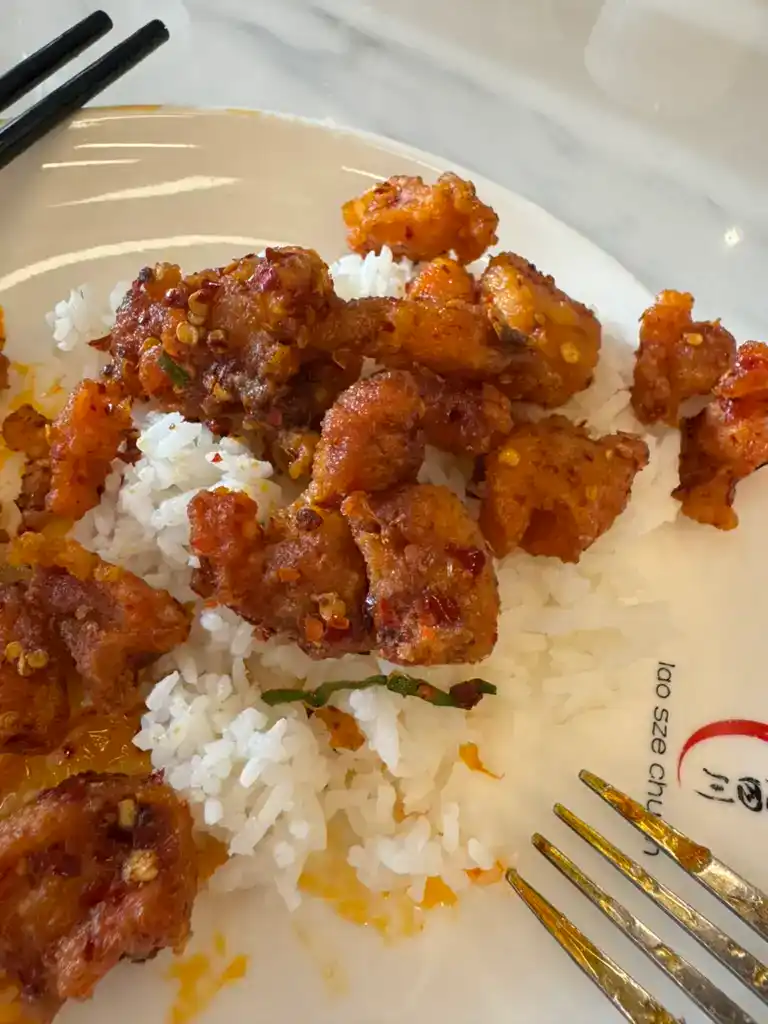
Food draws many people here, and the range is wide. You find Cantonese barbecue shops with roast duck and pork hanging in windows. Dim sum houses serve carts during daytime hours. Noodle shops focus on hand-pulled noodles and soups. Bakeries sell buns, cakes, and egg tarts. Prices stay fair, and portions lean generous.
Meals here follow daily routines. Lunch crowds arrive fast. Dinner brings families and groups. Some places stay open late. Others close early and keep regular schedules. If you want a calm meal, weekday afternoons work well.
Chinatown Square
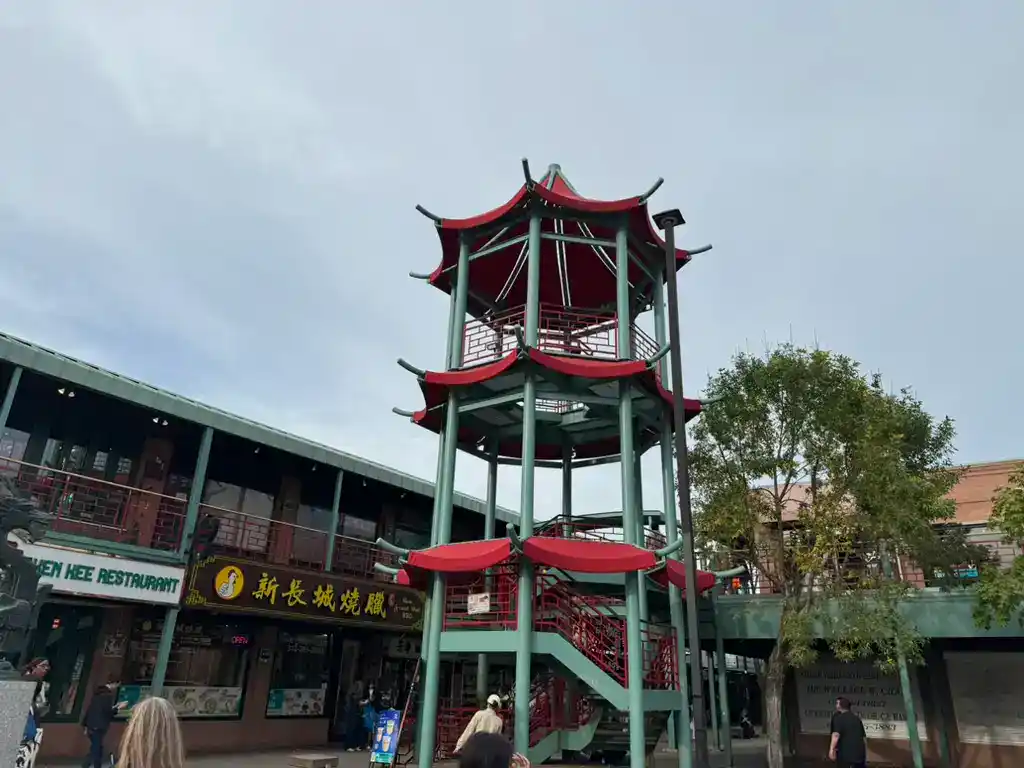
Chinatown Square sits just west of Wentworth Avenue. This open plaza holds shops, clinics, and offices. Stone statues line the walkways. Zodiac signs mark the ground. Benches and shade offer space to rest. Locals use this area for errands and social time. It also hosts festivals and community events throughout the year.
Culture and Community Life
Chinatown functions as more than a dining district. Community groups run schools, language programs, and senior centers. Temples and churches sit nearby. Local newspapers and service offices support residents. Many families trace roots here across generations. Others arrived more recently from different parts of China. This mix shapes daily life.
History of the Neighborhood
Chinese residents first settled in Chicago during the late 1800s. Early communities faced limits on housing and work. By 1912, residents began to establish the current Chinatown area south of downtown. Associations helped new arrivals find jobs and housing. Over time, businesses grew, and the area gained stability.
Major changes came during the mid 20th century, when highways and rail lines reshaped nearby blocks. The neighborhood adapted and stayed intact. Later waves of immigration brought new languages, food styles, and family businesses. The result is a place shaped by both continuity and change.
Ping Tom Memorial Park
Ping Tom Memorial Park sits along the Chicago River on the south edge of Chinatown. The park opened in 1999 and expanded later. It offers walking paths, lawns, and river views. Boats pass by during warmer months. Families gather here on weekends. The park gives the neighborhood open space and a quiet break from traffic.
Shopping and Markets
Small shops line the main streets. Herbal stores sell dried roots and teas. Gift shops carry calligraphy sets and decorations. Grocery stores stock fresh produce, seafood, and imported goods. Many residents shop here for daily needs. Visitors often leave with snacks or baked goods rather than souvenirs.
Events and Seasonal Changes
The biggest public event is the Lunar New Year celebration, usually held between late January and mid February. Lion dances, firecrackers, and parades fill the streets. Summer brings smaller festivals and evening activity. Winter stays quieter, but restaurants remain busy. Each season brings a different rhythm.
How It Feels to Spend Time Here
Chinatown feels steady and lived-in. You can sit with a coffee or tea and watch the street. You can walk into a shop and hear local conversations. Can you enjoy it without a plan? Yes. Walking and following interest works well here.
Getting There
Public transit makes access simple. The Red Line stops at Cermak-Chinatown station. From there, it is a short walk to the main streets. Several bus routes also serve the area. Driving works, but street parking fills fast on weekends.
Nearby Areas
Pilsen lies west of Chinatown and offers galleries and murals. Bridgeport sits nearby and holds baseball history and local bars. Downtown Chicago is a short train ride north. Many visitors pair Chinatown with another neighborhood in the same day.
Travel Tips
- Visit on a weekday for easier seating at restaurants
- Carry cash for small shops and bakeries
- Walk side streets to see daily life
- Check hours before visiting smaller businesses
- Use public transit to avoid parking stress
Key Facts
- Chicago Chinatown formed in the early 1900s
- Wentworth Avenue is the main street
- Ping Tom Memorial Park opened in 1999
- The Red Line serves the neighborhood
- The area remains a residential community
 Rate it or leave a comment!
 Rate it or leave a comment!
 Own or work here?
Nearby Places to Eat and Drink See All


Nearby Places to See and Do See All