




What to know for Herculaneum
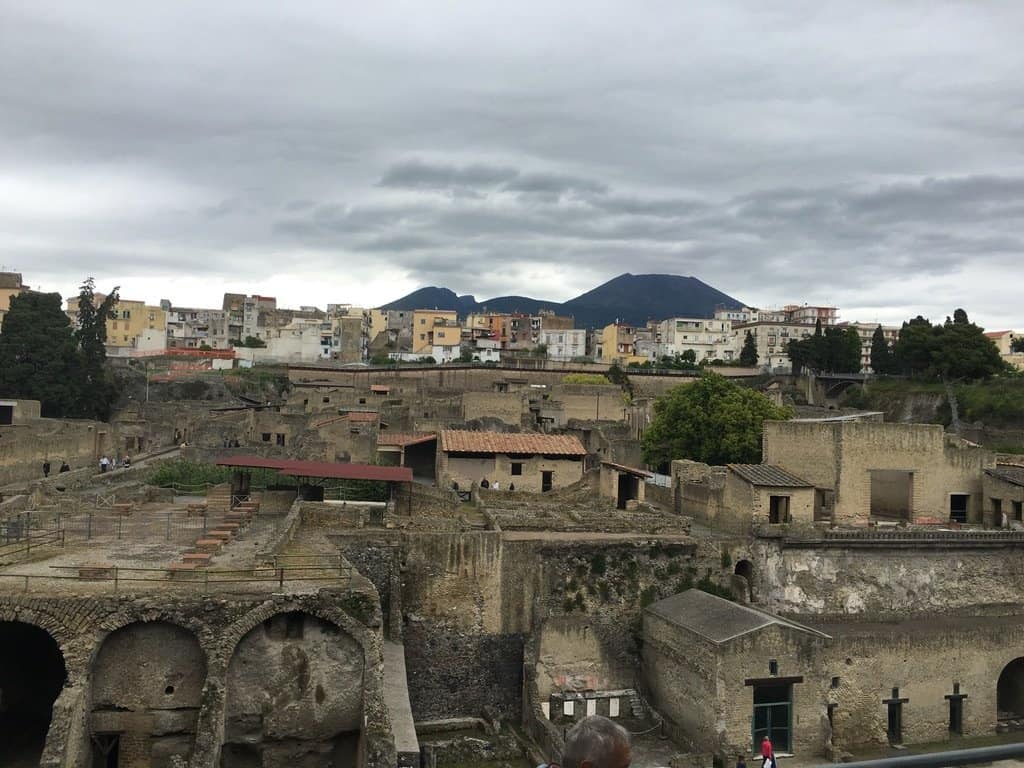
Herculaneum sits between Naples and Pompeii, close to the modern town of Ercolano. This Roman city froze in time during the AD 79 eruption of Mount Vesuvius. The preservation level feels higher than Pompeii. You see intact houses, wooden elements, and upper floors.
Plan 2 to 3 hours on site. The layout stays compact, so the visit feels focused and efficient.
Herculaneum Quick facts
- Location: Ercolano, Campania, Italy
- UNESCO status: Vesuvian archaeological sites
- Typical visit time: 2 to 3 hours
- Terrain: stone streets, ramps, uneven steps
Herculaneum Tickets and entry info and typical costs
Tickets sell at the gate and online through the official ticket system.
- Adults: 13 EUR
- EU citizens ages 18 to 25: 2 EUR
- Under 18: free with valid ID
First Sunday of each month offers free entry. Expect heavier crowds on those days.
Herculaneum Hours and last entry
Hours change by season. Last entry stops earlier than closing.
- March to October: 08:30 to 19:30, last entry 18:00
- November to February: 08:30 to 17:00, last entry 15:30
The site closes on January 1 and December 25.
Best time to visit Herculaneum
Arrive at opening for cooler temps and clearer views inside homes. Late afternoon works well during shoulder season. Summer heat reflects off stone walls, so bring water and sun protection.
Herculaneum How to get there
Train access stays simple.
- Circumvesuviana train from Naples to Ercolano Scavi station
- Walk downhill for about 10 minutes to the entrance
Taxis run from Naples, but traffic slows near the town center.
Simple route inside Herculaneum
Follow a loop path from the upper level down to the shoreline area.
- Enter and descend the main ramp
- Visit the House of the Mosaic Atrium
- Continue through residential streets
- Reach the ancient boathouses near the former shoreline
- Loop back through bath complexes and shops
Top things to see at Herculaneum
These stops show why Herculaneum feels different from Pompeii.
- House of the Wooden Partition: preserved sliding wooden doors
- House of the Mosaic Atrium: black and white floor mosaics
- College of the Augustales: painted myth scenes
- Central Baths: intact bathing rooms and decorations
- Boathouses: human remains found near the ancient shore
Herculaneum Guided tours and audio guides
Guided tours help explain daily life and eruption impact. Licensed guides wait near the entrance. Audio guides rent on site and work well if you want control over pacing.
Herculaneum Photo plan
Light and angles matter here.
- Photograph houses early before crowds enter rooms
- Use door frames for depth shots
- Capture mosaics straight on to avoid glare
- Save boathouse photos for later when crowds thin
Herculaneum Facilities and comfort
Restrooms sit near the entrance area. Food options inside stay limited. Bring water and wear shoes with grip. Some ramps feel steep and smooth.
Places nearby Herculaneum
Herculaneum pairs well with nearby stops.
- Mount Vesuvius: crater hike with bay views
- Naples National Archaeological Museum: artifacts from Herculaneum and Pompeii
- Pompeii: larger scale site for comparison
Herculaneum Sample Itineraries
2 hour plan
- Enter at opening
- Visit main houses and baths
- Walk the boathouses
- Exit before peak heat
Half day plan
- Explore the full site
- Use an audio guide or short tour
- Continue to Mount Vesuvius in the afternoon
Herculaneum FAQs
Is Herculaneum easier than Pompeii? Yes. The site stays smaller and more contained.
Are tickets timed? No. Entry stays flexible within daily hours.
Is the site accessible? Partial access exists, but steep ramps and uneven stone limit full access.
 Rate it or leave a comment!

 Own or work here?