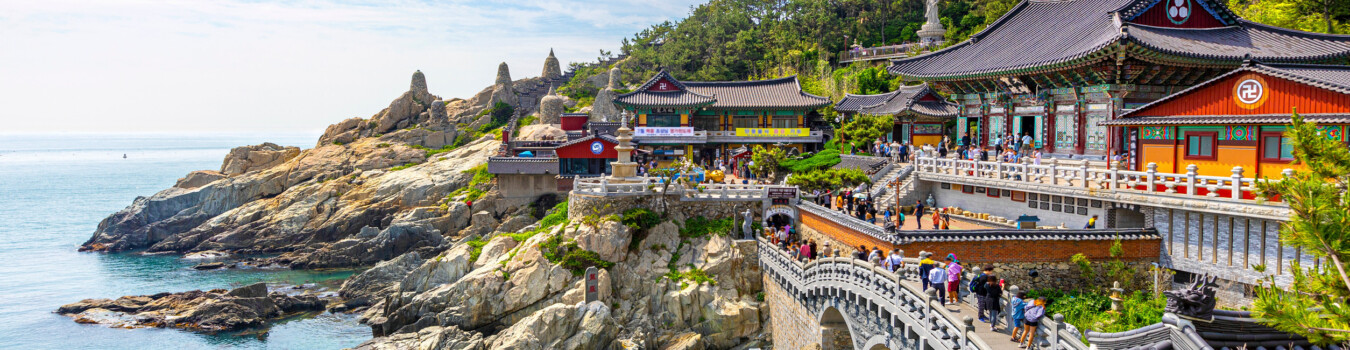




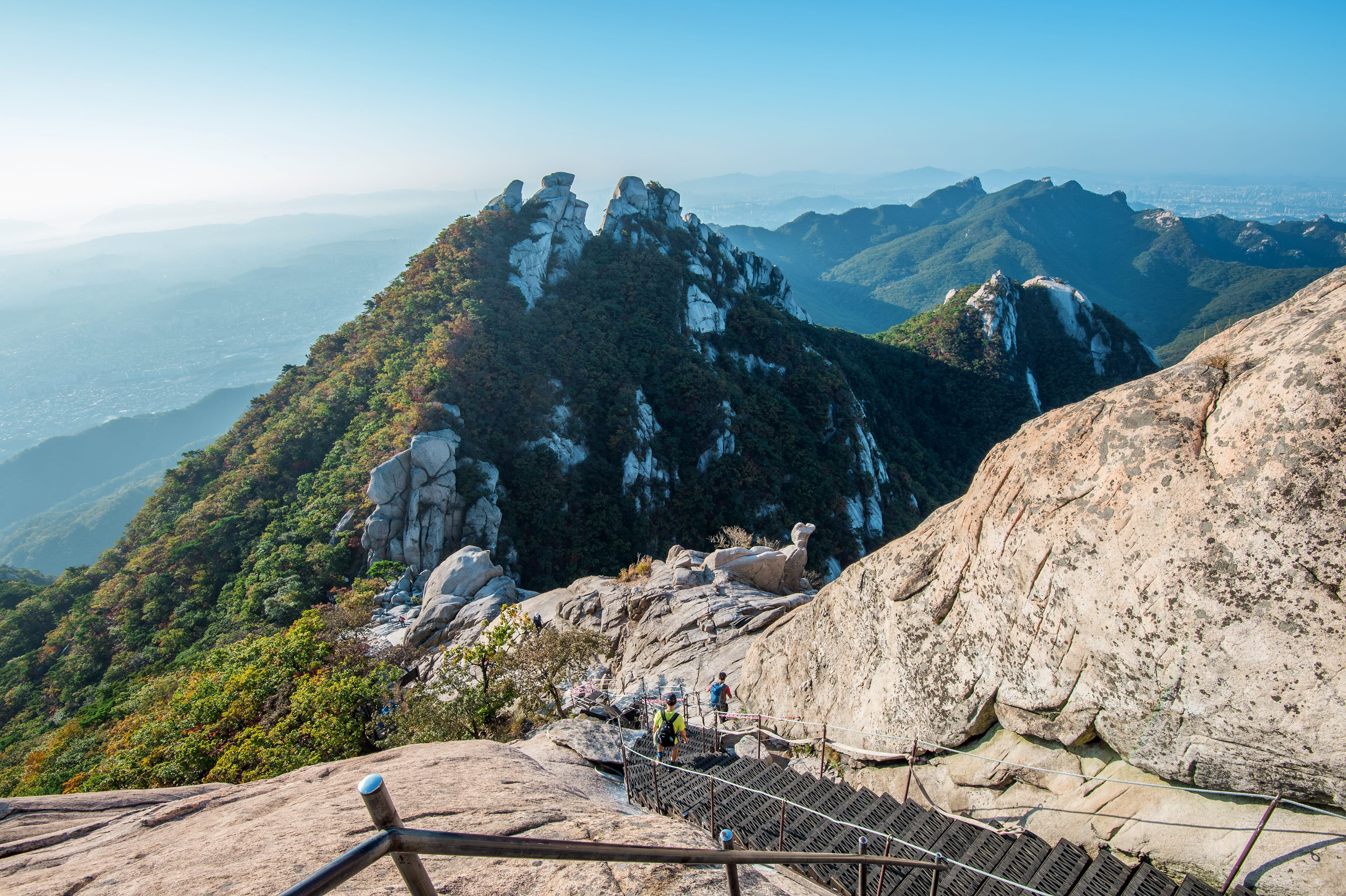

Nestled on the northern edge of Seoul, Bukhansan National Park is a breath of fresh air for city dwellers and travelers alike. Known for its stunning granite peaks, lush forest trails, and historic temples, this park offers a perfect escape into nature without having to leave the city behind. Whether you’re an avid hiker, a nature lover, or simply looking for a tranquil spot to unwind, Bukhansan National Park promises a memorable outdoor adventure.
Getting There
Bukhansan National Park is easily accessible from the heart of Seoul. The most convenient way to reach the park is via public transportation:
- By Subway: Take Line 3 or Line 4 to Gupabal Station or Line 3 to Gireum Station, then switch to local buses or enjoy a short taxi ride to the park entrances.
- By Bus: Several city buses stop near the main entrances, including numbers 704, 34, and 8772.
- By Taxi: A taxi ride from central Seoul takes about 30-40 minutes depending on traffic.
Plan to start your hike early to maximize daylight and enjoy cooler temperatures, especially in summer.
Trails and Hiking Tips
Bukhansan is famous for its numerous well-marked hiking trails catering to different skill levels, from gentle walking paths to steep, challenging climbs. Here are some popular routes to consider:
- Baegundae Peak Trail: This is the park’s highest peak at 836 meters. The trail offers panoramic views of Seoul and takes around 3-4 hours one way depending on your pace. It’s moderately challenging with rocky sections, so proper footwear is essential.
- Dobongsan Trail: Ideal for those seeking a less crowded route, this offers rugged terrain and spectacular rock formations. It usually takes about 3-5 hours to complete.
- Bukhansanseong Trail: This easier, more historic trail leads you past the Bukhansanseong Fortress, showcasing old stone walls and gates with beautiful views of the surrounding peaks.
Hiking Tips:
- Bring plenty of water and snacks, as there are limited food options on the trails.
- Wear comfortable, sturdy hiking shoes; some trails have steep rocky parts.
- Carry a light rain jacket during wet seasons, as the weather can change quickly.
- Follow designated paths to protect the park’s delicate ecosystem.
What to See and Do
Beyond hiking, Bukhansan National Park is rich in cultural and natural attractions. Don’t miss these highlights:
- Bukhansanseong Fortress: Built during the Joseon Dynasty, this fortress offers historical insight and great photo opportunities among ancient stone walls and gates.
- Guknyeongsa Temple: A small but serene temple located along one of the main trails, perfect for a quiet break and cultural experience.
- Rock Climbing: The granite cliffs attract rock climbers of all skill levels; several areas have designated climbing spots.
- Flora and Fauna: Keep an eye out for wildflowers, birds, and animals like squirrels and mountain goats, especially in spring and autumn.
Best Time to Visit
Bukhansan National Park is a year-round destination, but certain seasons offer unique experiences:
- Spring (April to June): Enjoy blooming azaleas and pleasant hiking weather.
- Autumn (September to November): The park is ablaze with vibrant fall foliage, one of the best times for photography.
- Winter (December to February): Snow-covered peaks create a magical scene, though trails can be icy and require caution.
- Summer (July to August): Mornings are best for hiking to avoid the afternoon heat and sudden rain showers.
Park Facilities and Visitor Information
The park offers several amenities and services designed to make your visit comfortable and safe:
- Visitor Centers: Located near main entrances, these centers provide maps, trail information, and emergency assistance.
- Toilets: Clean public restrooms are available near busy trailheads and rest areas.
- Restaurants and Cafés: Small eateries at the base of the mountains offer Korean dishes, snacks, and refreshments.
- Parking: Limited parking is available at some entrances but using public transportation is highly recommended.
Tips for a Safe and Enjoyable Visit
- Start Early: Trails can get busy, and weather can change rapidly, so it’s wise to begin your hike in the morning.
- Check Weather and Park Alerts: Occasionally certain trails may be closed due to maintenance or weather conditions.
- Respect Nature: Avoid littering and stay on marked paths to protect the delicate environment.
- Bring a Map or Use GPS: Though trails are marked, having navigation tools will help you stay on track.
- Hike with a Buddy: Especially on less-traveled routes for added safety.
Final Thoughts
Bukhansan National Park offers a refreshing contrast to the urban rush of Seoul, combining natural beauty, physical challenge, and cultural heritage. Whether you’re seeking a casual stroll or a vigorous climb, you’ll find a trail that suits your pace and interests. Pack your hiking boots, charge your camera, and set out to discover one of Seoul’s most cherished outdoor gems.
 Rate it or leave a comment!
 Rate it or leave a comment!
 - - Closed04:00 AM - 05:00 PM

- Monday04:00 AM - 05:00 PM
- Tuesday04:00 AM - 05:00 PM
- Wednesday04:00 AM - 05:00 PM
- Thursday04:00 AM - 05:00 PM
- Friday04:00 AM - 05:00 PM
- Saturday04:00 AM - 05:00 PM
- Sunday04:00 AM - 05:00 PM


 Own or work here?
Nearby Places to Eat and Drink See All


Nearby Places to See and Do See All