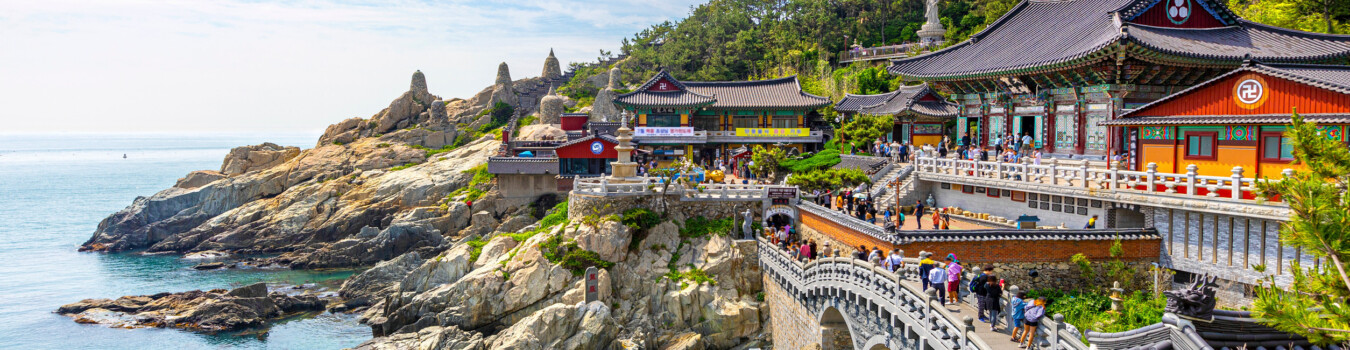






The Seoul Fortress Wall, also known as the Hanyangdoseong, is a remarkable historical landmark that elegantly weaves together the rich past and vibrant present of South Korea’s capital. Stretching over 18 kilometers, this ancient city wall was originally constructed in the late 14th century to protect the city of Hanyang, now modern-day Seoul. Today, the fortress wall offers a captivating window into Korea’s heritage, framed by stunning views and tranquil walking paths that make it a perfect spot for history buffs, nature lovers, and urban explorers alike.
History and Significance
The Seoul Fortress Wall was built during the Joseon Dynasty, beginning in 1396 under King Taejo, the dynasty’s founder. The wall was designed to shield the city from invasions and to mark territorial boundaries, strategically laid across the city’s mountainous terrain. It comprises four main gates: Heunginjimun (East Gate), Donuimun (West Gate), Sungnyemun (South Gate), and Sukjeongmun (North Gate). Among these, Sungnyemun, also known as Namdaemun, is particularly famous and serves as an iconic symbol of Seoul.
Over the centuries, the wall has endured wars, modernization, and urban development, yet significant portions remain beautifully preserved or restored, providing a direct connection to Korea’s dynastic past amid the bustling modern capital.
What to Expect on Your Visit
Visiting the Seoul Fortress Wall is more than just sightseeing; it’s an immersive journey along a timeworn path enveloped by scenic views of Seoul’s cityscape and natural surroundings. The wall runs approximately 18.6 kilometers from the north to the south, passing through four mountains: Bugaksan, Inwangsan, Naksan, and Namsan. Each section offers its own unique perspective and experience.
- Bugaksan Section: This northern part features rugged terrain and offers sweeping panorama views of the city. Some parts are open for public hiking, and the trails are well-marked but can be a bit steep, so good walking shoes are recommended.
- Inwangsan Section: Known for its dramatic cliffs and scenic beauty, this section is ideal for a rewarding hike with the bonus of spiritual sites such as Buddhist temples nearby.
- Naksan Section: Easier and more accessible, the Naksan trail is perfect for those wanting a leisurely stroll with excellent views of the urban landscape, especially striking at sunset.
- Namsan Section: Perhaps the most popular because it connects to Namsan Seoul Tower, this path blends nature and city life seamlessly and is well-paved and visitor-friendly.
Highlights Along the Wall
While exploring the Seoul Fortress Wall, make sure to visit these key points:
- Sungnyemun (Namdaemun) Gate: This National Treasure is the southern main gate and a must-see. Though it has undergone restorations, its traditional architecture stands proud as an emblem of Seoul.
- Heunginjimun (Dongdaemun) Gate: Impressive and fortified, this gate anchors the eastern edge of the wall and is close to bustling shopping districts.
- Sukjeongmun (North Gate): Known as the “North Small Gate,” this quieter gate area offers scenic walks and a peaceful atmosphere.
- Historical Plaques and Signage: Along the routes, informative signs tell stories of the fortress’s construction, its resilience during various historical events, and insights into the Joseon era’s urban planning.
Tips for Your Visit
- Wear comfortable shoes: The wall involves hiking and walking on uneven surfaces, so sturdy footwear is essential.
- Plan your route: Decide which section you want to explore based on your fitness level and interest. The Namsan and Naksan sections are more accessible, while Bugaksan and Inwangsan offer more challenging hikes.
- Bring water and snacks: Refreshments may be limited along some trails, so carrying your own supplies is advisable.
- Visit during spring or autumn: The weather is milder, and the natural scenery is especially beautiful with blooming flowers or colorful fall foliage.
- Consider a guided tour: To deepen your understanding, join a walking tour where knowledgeable guides provide historical context and share fascinating anecdotes.
- Photography opportunities: Sunrise and sunset shots are particularly breathtaking, capturing Seoul’s blend of tradition and modernity framed by the fortress wall.
Getting There
The Seoul Fortress Wall is accessible from multiple points throughout the city. Public transportation is convenient and straightforward, with subway stations near many sections:
- Heunginjimun Gate (Dongdaemun Station, Line 1 & 4)
- Sungnyemun Gate (Seoul Station, Lines 1 & 4)
- Naksan Park (Hyehwa Station, Line 4)
- Namsan Seoul Tower (Myeongdong Station, Line 4) with shuttle bus connections to the hiking trails
For those aiming to hike longer stretches, consider using taxis or local buses to move between trailheads if time is limited.
Nearby Attractions
Exploring the fortress wall is an excellent addition to a broader itinerary of Seoul. Nearby attractions worth visiting include:
- Bukchon Hanok Village: Just a short distance from the wall, this traditional village features beautifully preserved Korean hanoks (traditional houses).
- Gyeongbokgung Palace: One of Korea’s grandest royal palaces, located near the wall’s eastern sections.
- Insadong: A cultural hotspot renowned for art galleries, tea houses, and craft shops, perfect for a leisurely afternoon after your hike.
The Seoul Fortress Wall offers an enriching experience that beautifully balances historical exploration with the natural and urban charm of Seoul. Whether you’re there to hike, photograph, or simply soak in centuries of history, the wall will leave you with a profound appreciation of this dynamic city’s enduring spirit.
 Rate it or leave a comment!
 Rate it or leave a comment!

 Own or work here?
Nearby Places to Eat and Drink See All


Nearby Places to See and Do See All