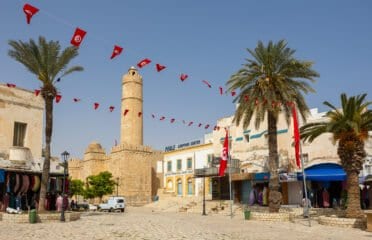






Takrouna Village is a picturesque Berber settlement perched atop a rocky hill in northern Tunisia, offering visitors a unique blend of history, culture, and breathtaking scenery. Just a short drive from the bustling city of Sousse, this quaint village is a peaceful escape where tradition meets stunning Mediterranean landscapes. Whether you’re a history enthusiast, a photography lover, or someone seeking an authentic cultural experience, Takrouna promises an unforgettable visit.
Getting to Takrouna Village
Takrouna is located approximately 20 kilometers southwest of Sousse and about 150 kilometers from the Tunis-Carthage International Airport. The most convenient way to reach the village is by car or taxi from Sousse, which usually takes around 30 minutes. Public transportation options are limited, so renting a car or booking a private transfer is recommended for a flexible and comfortable journey.
Discovering the Village’s Rich History
The history of Takrouna dates back to ancient times, with its dramatic hilltop location originally serving as a fortress for Berber tribes. The village is named after the indigenous Berber word for the rocky peak on which it sits. Over centuries, Takrouna has witnessed Roman, Arab, and Ottoman influences, each contributing to the distinctive cultural tapestry of the area.
Walking through the narrow cobbled streets, visitors can still see evidence of the village’s past in the stone-built houses and the ancient fortified walls. Local legends speak of Takrouna as a refuge during times of conflict, and the village retains much of its old-world charm. Be sure to visit the remnants of the old fortress at the hill’s summit for panoramic views and a sense of the village’s strategic importance throughout history.
What to See and Do in Takrouna
- Explore Traditional Architecture: Enjoy wandering through the labyrinthine streets lined with whitewashed, stone houses featuring characteristic blue doors and windows. The architecture reflects traditional Berber styles and offers countless photo opportunities.
- Visit the Takrouna Mosque: The small village mosque, situated near the top of the hill, is a peaceful place that reflects the spiritual heritage of the community.
- Local Handicrafts and Souvenirs: Takrouna is known for its artisanal crafts, particularly weaving and pottery. You can find unique handmade rugs, ceramics, and textiles that make meaningful souvenirs.
- Hiking and Nature Walks: The surrounding landscape features olive groves, rocky outcrops, and scenic vistas of the Mediterranean Sea. Trails leading from the village invite visitors to stretch their legs and explore the natural beauty of the region.
- Photography: The dramatic setting of the village atop the rocky hill, combined with the vibrant colors of the houses and natural environment, makes Takrouna a favorite spot for photographers looking for unique shots.
Cultural Experience and Hospitality
Takrouna’s population remains small and close-knit, mainly consisting of Berber families who continue to live traditionally. Visitors often find locals warm and welcoming, happy to share their stories and customs. While English is not widely spoken, basic French or Arabic phrases will help you connect and navigate comfortably.
For a genuine taste of local life, try to time your visit during one of the village’s cultural festivals or market days. These lively occasions showcase traditional music, dance, and food, offering a window into Takrouna’s vibrant community life.
Food and Drink
Although Takrouna is a small village with limited dining options, you’ll find simple, delicious homemade meals available at local homes or small cafes. Traditional Tunisian dishes such as couscous, brik (a savory pastry), and freshly baked bread are staples here. Olive oil, locally grown olives, and fresh vegetables add authentic flavors to the rustic cuisine.
If you want to enjoy a wider gastronomic selection, nearby Sousse offers a variety of restaurants and cafes where you can sample both Tunisian specialties and international dishes.
Best Time to Visit
The ideal time to explore Takrouna Village is during the spring (March to May) and autumn (September to November). During these months, the weather is pleasantly mild and the landscape green and blooming. Summers can be hot and dry, which may make hiking and walking less comfortable. Winters are generally mild but can be rainy.
Tips for Visiting Takrouna
- Wear comfortable walking shoes suitable for uneven stone paths and steep climbs.
- Bring a hat, sunscreen, and plenty of water, especially if visiting in warmer months.
- Respect local customs and ask permission before photographing residents.
- Carry some cash as card payment options are limited in the village.
- Learn a few basic Arabic or French phrases to enhance your interactions with locals.
Nearby Attractions
Takrouna’s proximity to other notable Tunisian destinations means you can easily combine your visit with other sightseeing:
- Sousse Medina: A UNESCO World Heritage site offering historic architecture, bustling souks, and vibrant city life.
- El Jem Amphitheatre: A Roman Colosseum remnants, about an hour’s drive away, renowned for its impressive preservation.
- Monastir: A coastal town famous for its marina, fortress, and relaxed seaside atmosphere.
Takrouna Village remains a hidden gem in Tunisia, inviting travelers to slow down, immerse in history, and enjoy rare peaceful vistas of the Mediterranean countryside. Whether you’re exploring ancient streets, savoring local flavors, or simply soaking up the panoramic views, Takrouna offers a profound connection to the spirit of Tunisia’s Berber heritage.
 Rate it or leave a comment!
 Rate it or leave a comment!
 Own or work here?
Nearby Places to Eat and Drink See All


Le Barberousse..
- Be the first one to rate!


Le Petit Pêcheur..
- Be the first one to rate!
Nearby Places to See and Do See All