






Kairouan Medina is a captivating destination that transports visitors into the heart of Tunisia’s rich Islamic heritage and vibrant culture. As one of the oldest and most significant medinas in North Africa, it offers a unique blend of history, architecture, and tradition. Wandering through its maze-like streets, you’ll discover stunning monuments, bustling souks, and a warm, welcoming atmosphere that makes Kairouan Medina a must-visit for any traveler.
History and Significance
Kairouan, founded in 670 AD, is often referred to as the “City of Mosques” and holds great spiritual importance as the fourth holiest city in Islam after Mecca, Medina, and Jerusalem. The medina itself dates back many centuries and has been recognized as a UNESCO World Heritage Site due to its architectural and cultural value. It was a center of Islamic scholarship and culture that influenced the entire Maghreb region.
What to See in Kairouan Medina
The medina is full of remarkable landmarks that reflect its religious and cultural prominence:
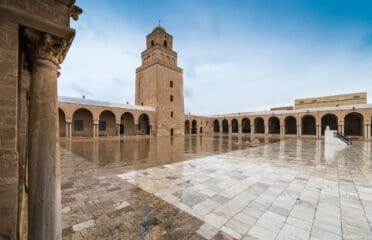
- The Great Mosque of Kairouan: Also known as the Mosque of Uqba, this is one of the most important and oldest mosques in the Muslim world, noted for its grand-and-serene architecture, massive minaret, and beautifully decorated prayer hall. Non-Muslim visitors can admire the exterior and courtyards.
- Mausoleum of Sidi Sahab: A sacred site believed to house the tomb of a companion of the Prophet Muhammad. Its intricate tilework and tranquil courtyards create a peaceful ambiance.
- Medersa Sed Zitouna: This historic Islamic school gives insight into ancient Islamic education and architecture.
- The Aghlabid Basins: Just outside the medina, these massive water reservoirs highlight the advanced engineering skills of the Aghlabid dynasty and their efforts in water management.
Exploring the Souks
The labyrinthine souks of Kairouan Medina are vibrant and brimming with local life. They offer everything from traditional crafts to daily necessities:
- Carpet and textile shops: Kairouan is famous for its distinct carpets, known for bold geometric designs and vivid colors.
- Leather goods: Explore stalls selling handmade leather slippers and bags, great souvenirs with authentic North African craftsmanship.
- Spices and food products: The aromas of aromatic spices, dried fruits, and local olive oil fill the air—perfect for food lovers interested in Tunisian cuisine.
- Pottery and ceramics: Discover brightly decorated ceramics, pottery, and traditional utensils showcasing local artistry.
Cultural Tips and Local Experience
When visiting the Kairouan Medina, here are a few tips to make your experience authentic and respectful:
- Dress modestly: Given the religious significance of the city, it’s advisable to dress conservatively, especially when visiting mosques and sacred sites.
- Practice respectful behavior: Photography inside mosques is typically not allowed; always ask first. It’s polite to seek permission before taking photos of locals.
- Engage with locals: The people of Kairouan are known for their hospitality. Don’t hesitate to greet shopkeepers or residents; it often leads to enriching and friendly conversations.
- Bargaining: Haggling is common in souks but should be done with good spirit and respect.
Best Time to Visit
The ideal period to explore Kairouan Medina is during spring (March to May) and autumn (September to November). During these months, the temperatures are comfortable for walking through the medina’s narrow streets. Summers can be extremely hot, making daytime exploration less pleasant, while winters remain mild but cooler in the evenings.
Getting There and Around
Kairouan is well-connected by road and is about a two-hour drive from Tunisia’s capital, Tunis. Visitors often arrive by bus or private car. Once inside the medina, the narrow, winding alleys are best explored on foot. Motorized vehicles are not allowed within the old city walls, preserving its historic integrity and making the stroll more enjoyable.
Where to Eat
Kairouan offers several charming eateries where you can enjoy traditional Tunisian dishes:
- Brik: A savory pastry filled with egg, tuna, or meat, crisped to golden perfection.
- Couscous: Tunisia’s national dish, often served with lamb or vegetables and a flavorful spicy broth.
- Makroudh: A sweet semolina pastry filled with dates or nuts, a local specialty to finish your meal.
- Mint tea: Served in ornate glasses, perfect for relaxing after exploring the medina.
Accommodation Options
Within or near the medina, you can find charming guesthouses and boutique hotels that reflect the traditional Tunisian architectural style. Staying near the medina walls allows easy access to all the main sights and offers a more immersive experience in the daily rhythm of Kairouan.
Final Thoughts
Walking through Kairouan Medina is like stepping back in time—a chance to experience Tunisia’s spiritual essence and architectural marvels. Whether you’re drawn to its historic mosques, bustling marketplaces, or cultural richness, Kairouan invites exploration at every corner. Plan your visit with an open heart, and it will reward you with unforgettable moments and a deeper appreciation of Tunisia’s heritage.
 Rate it or leave a comment!
 Rate it or leave a comment!
 Own or work here?
Nearby Places to Eat and Drink See All


Nearby Places to See and Do See All




Monastir Ribat..
- Be the first one to rate!


Monastir Marina..
- Be the first one to rate!