
Beyond the Big Cities: Why Australia Is a Dream Destination for Wine, Food, and Scenic Travel
By
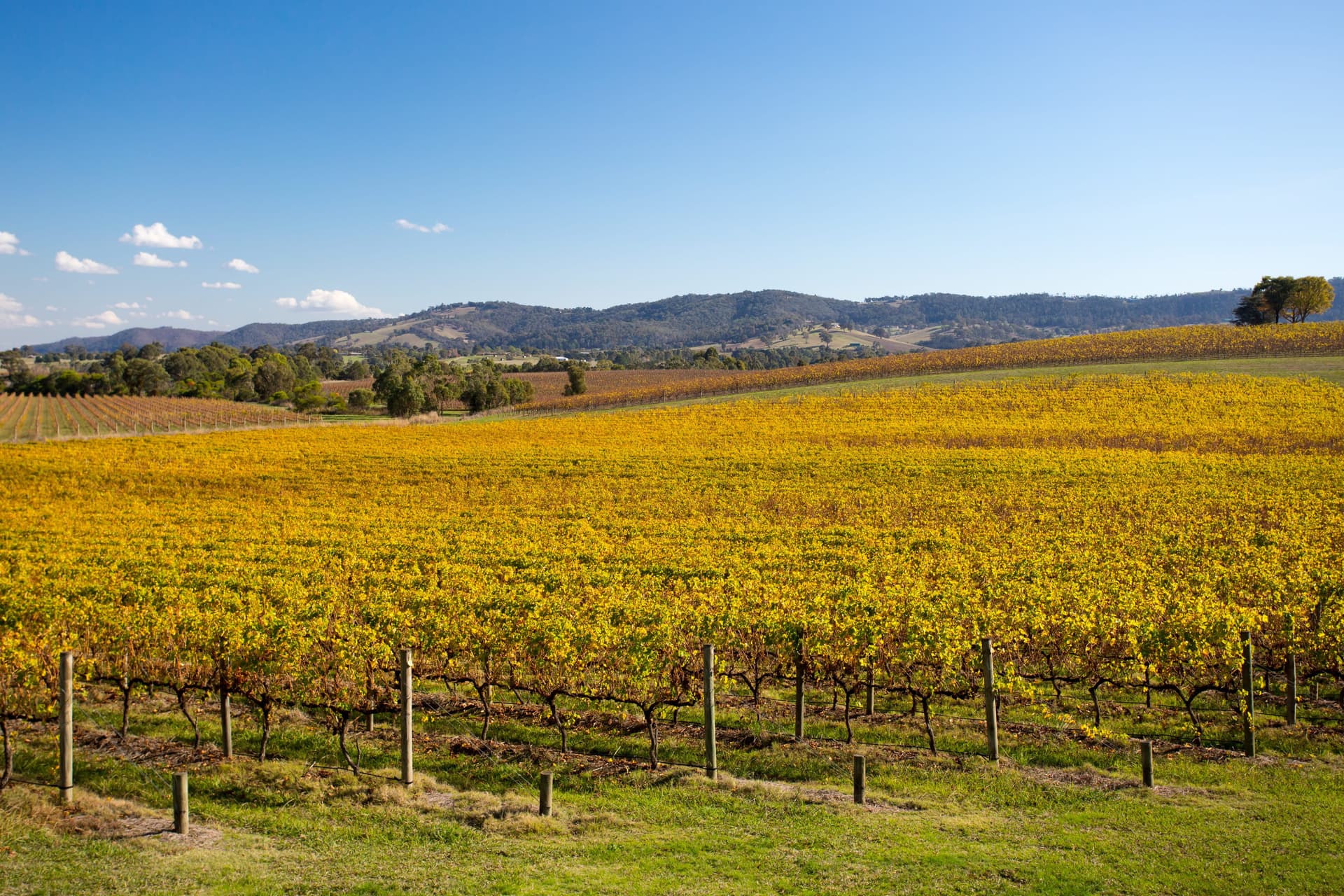
Australia often gets introduced through its icons: Sydney Harbour, the Great Barrier Reef, the Outback, and beaches that seem to stretch forever. Those places absolutely deserve the attention, but they are only part of the story.
For travelers who enjoy food, landscapes, local culture, and slower days built around beautiful places, Australia’s wine regions offer a completely different way to experience the country. They take you beyond the big-city checklist and into valleys, coastlines, historic towns, and vineyard-covered hills where the pace naturally slows down.
Australia is home to dozens of wine regions across the country, with destinations ranging from warm inland valleys to cool coastal and island regions. That variety makes it a rewarding place for adult travelers who want their trip to include scenery, regional food, and a sense of place rather than simply moving from one attraction to the next.
Why Wine Country Belongs in an Australia Itinerary
A trip to Australia can easily become a long list of major highlights. Sydney, Melbourne, the reef, Uluru, Tasmania, and the coast all compete for attention. But adding wine country to an itinerary gives the trip breathing room.
Instead of rushing between busy landmarks, wine regions invite you to slow down. You might spend a morning driving through rolling hills, stop for a long lunch, visit a local producer, or stay overnight in a small town where the evening is quiet and the views do most of the work.
For anyone planning a more curated trip, exploring Australia wine tours can also be a helpful way to understand how different regions connect with the broader travel experience. The best wine-focused journeys are rarely just about wine. They are about food, landscapes, local stories, and the pleasure of experiencing a place through its regional character.
Start With the Region, Not Just the Wine
One of the best ways to plan wine-country travel in Australia is to think about the style of trip you want first.
Do you want beaches and coastal drives? Margaret River in Western Australia may be a strong fit.
Do you want classic Australian wine country with historic estates, big landscapes, and easy access from a city? The Barossa Valley or McLaren Vale near Adelaide could work well.
Do you want a relaxed add-on to a Melbourne trip? The Yarra Valley and Mornington Peninsula offer countryside, restaurants, and cool-climate scenery within reach of the city.
Do you want something close to Sydney? The Hunter Valley is one of the easiest wine-country escapes from New South Wales’ capital.
Each region has its own rhythm, so choosing the right one can shape the entire feel of the trip.
South Australia: A Natural Starting Point
South Australia is one of the most obvious places to begin if wine country is a priority. Adelaide sits close to several well-known regions, making it possible to experience city culture, coastal scenery, and countryside in the same trip.
The Barossa Valley is perhaps the most recognizable name for many travelers. It has a strong food culture, historic towns, and a landscape that feels unmistakably rural while still being very accessible. McLaren Vale offers a slightly different atmosphere, with vineyards close to the coast and a more relaxed, creative energy. Adelaide Hills brings cooler-climate scenery, charming towns, and a greener, more elevated feel.
What makes South Australia especially appealing is how easily these regions can fit into a broader itinerary. You can spend time in Adelaide, build in a few countryside days, and still connect onward to Kangaroo Island, the coast, or other parts of the country.
Margaret River: Where Wine Country Meets the Coast
Margaret River feels different from many classic wine destinations because the ocean is such a major part of the experience. Located in Western Australia, the region combines vineyards, surf beaches, forests, caves, coastal walks, and excellent food.
This is the kind of place where a trip can feel active and relaxed at the same time. One day might include a scenic drive and a long lunch, while the next could involve a beach walk, a forest trail, or time exploring small local producers.
For travelers who do not want their wine-country experience to feel too formal, Margaret River is a great reminder that wine regions can also be outdoor destinations. The landscape is a major part of the appeal, and the best trips leave time to enjoy it.
Victoria: Easy Escapes From Melbourne
Melbourne is already known for food, coffee, arts, and culture, so it makes sense that nearby wine regions fit naturally into a visit.
The Yarra Valley is one of the most popular countryside escapes from the city, with rolling scenery, restaurants, and a relaxed pace that contrasts nicely with Melbourne’s urban energy. Mornington Peninsula adds a coastal element, combining beaches, small towns, food experiences, and vineyard landscapes.
For travelers who like variety, Victoria works well because you can combine city days with regional touring without feeling like you are committing to a completely separate trip. It is a good option for anyone who wants a softer, more scenic break in the middle of an Australia itinerary.
Hunter Valley: A Classic Sydney Add-On
For travelers beginning or ending their trip in Sydney, the Hunter Valley is one of the most practical wine-country additions. It is close enough to work as a short escape but distinct enough to feel like a real change of scenery.
The region is known for its long history, country atmosphere, and easygoing visitor experience. It can work well for a weekend-style itinerary, a countryside break, or a slower stop between city and coastal travel.
The key is not to overpack the schedule. Like many wine regions, the Hunter Valley is best enjoyed with space between stops. A relaxed lunch, a scenic drive, and time at the accommodation can be just as memorable as the planned activities.
Tasmania: Cool-Climate Scenery and Slower Travel
Tasmania has become increasingly appealing for travelers who want nature, food, and a quieter style of exploration. Its wine regions are often woven into broader trips that include Hobart, Launceston, national parks, coastal drives, and local produce.
A Tasmania itinerary can feel more intimate than a mainland trip. Distances are still important, but the island encourages slower movement. It is a strong choice for travelers who care as much about landscapes and atmosphere as they do about specific stops.
For adult travelers interested in food and wine, Tasmania offers a more understated experience. It is less about grand gestures and more about cool air, beautiful views, small producers, and days that feel grounded in the place itself.
Practical Tips for Visiting Australia’s Wine Regions
The distances in Australia are bigger than many visitors expect, so it is worth planning carefully. Wine regions may look close on a map but still involve long drives, rural roads, or limited public transportation.
It is also important to plan responsibly. If wine is part of the trip, arrange a private driver, guided tour, or designated driver so everyone can enjoy the day safely. This is especially useful in regions where cellar doors, restaurants, and accommodations are spread out.
Try not to visit too many places in one day. Two or three well-chosen stops often create a better experience than a packed itinerary. Leave time for lunch, scenery, and spontaneous discoveries.
Also consider staying overnight in at least one wine region. Day trips can be convenient, but overnight stays allow you to experience the quieter side of the destination after the busiest visitor hours have passed.
Final Thoughts
Australia’s wine regions add depth to a trip because they reveal a slower, more local side of the country. They connect food, landscape, culture, and travel in a way that feels relaxed but still memorable.
Whether you are drawn to the historic valleys of South Australia, the coastal beauty of Margaret River, the easy countryside around Melbourne, the classic appeal of the Hunter Valley, or the cool-climate charm of Tasmania, wine-country travel can help turn an Australia trip into something more personal.
The best part is that these regions do not need to replace Australia’s famous highlights. They can sit alongside them, adding quieter days, better meals, scenic drives, and a deeper sense of place to the journey.
For travelers who want more than a checklist, Australia’s wine country is well worth making room for.