





On a globe, New Zealand seems tiny – yet packs far more than expected. There are two major landmasses. Each offers something separate in rhythm and mood. Warmth and heritage shape much of the northern one. Rugged peaks and raw scenery define the southern part.
Some people visit just one island and stop there. Works fine when days are short. Yet should time allow, exploring both brings together city life with tradition, shorelines next to peaks, fire mountains near deep valleys cut by ancient ice.
Start slow – two islands can unfold without hurry. Picture how many days feel right, then work backward. Getting around might mean ferries or buses; figure what suits your rhythm. Sleep on one island, visit the other, return when it fits. Shape each day like clay, not a checklist. The pace? Yours.
Two Islands Worth Seeing
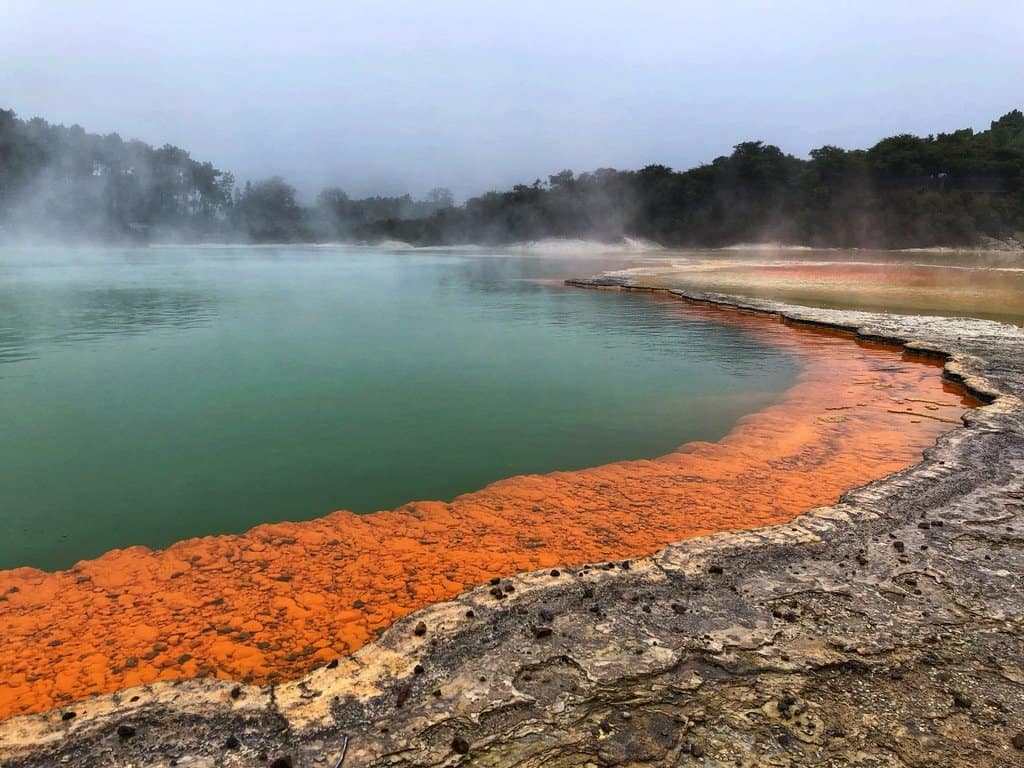
Turns out size isn’t everything – this country packs a punch far beyond its shape on paper. You’ve got two big chunks of land doing their own thing. One plays host to steamy valleys and deep traditions. The other throws rugged peaks and raw landscapes at you without warning.
Some folks land on a single island and stop there. Works fine when days are short. Yet should time allow, hopping between both brings cities alongside culture, sand beside peaks, fire under ice, water cutting stone.
Start slow – spend enough days so you do not run out of breath. One island one day, then shift gears to the next when it feels right. Travel by ferry if mornings suit you best; buses work fine too for those who like watching roads unfold. Stay on either shore – it does not matter which – as long as sleep comes easily there. Shape each day around what wakes you up excited, not some printed schedule. Time bends when done well.
Choose Comfort First with Guided Bus Travel
Starting early helps when visiting both islands without much hassle – some travelers choose New Zealand coach tours for one leg or the whole journey. These group rides make far stretches easier, handle boat transfers smoothly, plus show key spots along the way. Driving yourself? Skip the concern over routes, fuel stops, where to park, or missing departure times.
Starting out in Auckland or sometimes Wellington, a solid coaching tour moves across to the South Island by sea through the Cook Strait. The path comes ready-made, with rooms already sorted and someone leading who shares stories you might otherwise walk past while watching the road.
Seeing New Zealand by coach makes sense when it is your first visit, you’re alone, or pressed for hours. A break while moving matters more? This way lets you unwind without planning each move. Still want freedom? Build in extra days on either end to wander however suits you. No rush required – just space to decide what comes next.
Time Needed to Visit Both Islands?
What separates a relaxed journey from a rushed list? Time does. The scale of New Zealand tricks many travelers. Narrow roads wind through hills, slowing progress. Weather shifts without warning, altering schedules. Scenic lookouts pull you off the route – more times than predicted.
A solid highlights tour fits into roughly ten to twelve days. When you take fourteen to eighteen days, the pace opens up – more space between places. Trips that run twenty-one days or longer let you wander further off track, dig into quieter spots. Time stretches when it is not rushed.
Fewer than ten days? Picking just one island often makes sense. With two weeks or longer, visiting both gets easier – also much better.
Pick the Best Direction for Your Trip
Arriving on the North Island makes sense – most planes touch down there first. Begin your trip in Auckland to settle into the rhythm of things slowly. Getting used to the new time helps, then walking around a town feels natural. After that, handling roads across wide stretches later becomes less overwhelming.
Start up north, that way you hit the North Island early. Move across by ferry once ready for the South. From there, flights leave often from either Christchurch or Queenstown. Travel flows smoother when it goes one way. Less time spent doubling back.
Winter travelers who care most about snow slopes or mountain views might switch things around. Begin down south, where the peaks wear white caps. End up north, where sunnier afternoons wait. You can go that way or the reverse – both make sense. Pick a path early. Staying on track matters more than the start point.
Choose Your Travel Style
A journey through New Zealand does not follow one correct path. What works best changes based on your travel habits, also how certain things make you feel tense.
Freedom comes easiest behind the wheel of your own car. Whenever a moment feels right, just pull over – no schedule breathing down your neck. Want to follow sunshine instead of an itinerary? Go ahead. Quiet villages often hide where highways don’t reach. All that choice isn’t free, though – it asks for hours mapping routes, plus stretches on empty roads when night falls.
Waking up to someone else handling directions means less fuss before breakfast. Instead of maps, there’s time to sip coffee while wheels turn on their own schedule.
Some folks like mixing things up when visiting both islands. One spot they drive themselves, the other they join a bus group. Jumping by plane from place to place happens too. Then just pick one island for renting wheels if you fancy a long drive there.
North Island sights and route options
Starting your trip here makes sense since most overseas planes land on the North Island. Cities thrive there, alongside deep Māori traditions, along with bubbling geothermal zones shaped by earth’s heat.
Land in Auckland – it works well as your starting point. After arriving, give yourself a day or two to shake off travel fatigue. Stroll along the harbor; it’s right there, easy to reach. Step onto a ferry, head for one of the small islands close by. Or just drive to a local beach, feel the sand, listen to the waves.
Steam rises where earth meets culture – Rotorua delivers both. Bubbling mud pits sit beside quiet hot springs, each spot telling its own story. Instead of just looking around, try stepping into a local village to feel Māori life up close. Performances unfold with rhythm, meals carry generations of flavor, moments stay long after you leave.
Out here, hills stretch wide beneath quiet farms, while sharp volcanoes rise beyond them. If you stay near Lake Taupo, getting out each morning becomes effortless – no need to pack up every few days.
Besides heading north, the Bay of Islands brings warmer weather along with sandy shores. For those who prefer calm bays instead of busy ports, it suits perfectly. Small boat trips work well here, thanks to gentle waters and laid-back seaside villages nearby.
Wellington A City of Change
Few places link the islands like Wellington does. Its center fits walking, full of cafes where beans matter more than trends. Ferries leave close by, cutting travel time across the water. Meals here taste better when eaten slowly, between conversations.
Maybe set aside a whole day for Wellington, if possible. This slows things down after hours on the road. The city moves differently than Auckland – quieter, more stretched out. Catching the ferry works better when you are not pressed by distance behind you.
Crossing Between Islands Ferry or Flight

Ferries glide across the water while planes cut through the air – each gets you there. One option takes longer yet feels like a journey; the other saves hours but blurs the distance. Time shapes your pick. So does how much you’re ready to spend. Some travelers watch waves below them, others skip straight to arrival.
A ride across comes by sea, the usual way. From Wellington – on the top island – it reaches Picton down south. Out in the open stretch of water, then winding quietly into the arms of the Marlborough Sounds. For those who like taking their time, watching land shift slowly past, it feels more like arrival than waiting.
Speed matters most when skies open up above New Zealand. Hopping between Auckland, Wellington, Christchurch, or Queenstown by air cuts hours off ground routes. When days feel short, wings turn a long journey into part of one morning. Weather might stall roads; it rarely grounds quick inland hops.
South Island Highlights And Travel Path
Far wilder underfoot, the South Island spreads wider across the map. Where mountains pierce sky, water wears a bright blue coat, coastlines twist sharply – this is scenery that feels lifted from film.
Heading out from Christchurch or Picton is common. Southward or westward paths open up from there. A scenic route often includes high mountain lakes. The rugged southwestern coast adds dramatic views. Choosing that combo brings varied landscapes into play.
Far south, a well-traveled path cuts across the Mackenzie area, touching Lake Tekapo then stretching toward Lake Pukaki. When skies stay cloudless, peaks rise sharply into view, bold against the horizon. After dark, without city lights nearby, stars spread wide – brighter than most places on Earth.
Adventure beats hard in Queenstown. For those who skip the thrill rides, it still holds up as a launch spot for lakeside walks and short journeys out. Just around the corner, Wanaka hums at a slower pace – views just as bold, mood more quiet. The mountains there don’t shout, they linger.
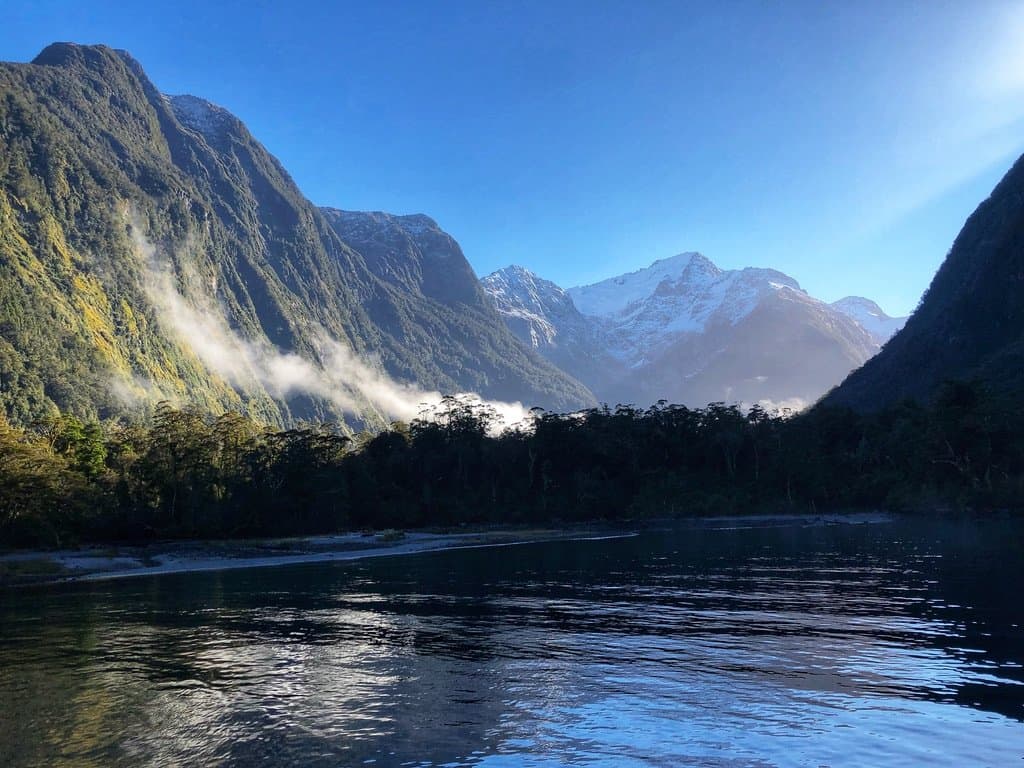
A journey through Fiordland offers a deep connection with wild landscapes on a boat trip among the fjords. While many choose Milford Sound, others find Doubtful Sound less traveled, more still. Conditions shift fast here – mist rolls in, skies clear without warning. Because of that, leave room in your schedule to adapt.
Far from just peaks, vineyards roll across parts of the South Island too. Coming off a ferry in Picton? Marlborough’s sauvignon blanc makes sense there. Staying near Queenstown opens doors to Central Otago, a region that stands out on its own.
Slow Down Without Trying
Traveling through New Zealand works better with a steady flow. Even scenic drives drain you after hours. Try sticking to light daily stretches. A slow start each morning helps more than rushing. Let breaks come often, not just when tired. The road stays fun when fatigue doesn’t pile up. Small pauses add up to clearer views later.
Besides saving time, staying twice in one place means less unpacking. Moving every single day adds up – extra steps, extra hassle, just more of everything.
Take care not to place heavy tasks right after each other. When today means hours behind the wheel or climbing steep trails, tomorrow should involve slower moments instead. That shift gives space for recovery without calling it that.
Weather waits for no one. In New Zealand, skies shift quick – most true down south. One clear morning might turn stormy by lunch. Having free time helps when plans fall apart. An open afternoon fixes what rain ruins. Sometimes a full extra day keeps your trip alive.
Common Mistakes to Avoid
Stopping at every spot in a single push? Not wise. The plan might seem fine on paper, yet real roads twist more than expected. Side paths pull your attention. Fatigue sets in by midday. Each pause adds up quicker than imagined.
Sometimes empty space on your schedule tells the truest story. Between major sights in New Zealand, chances rise for something real. Take a turn toward that silent shore instead of another checkmark destination. Roads bend past views no photo could hold. A roadside stop turns into laughter under open sky. You might recall the pie at some nameless town spot more than any landmark. Time moves differently when not packed tight.
Mornings here might look calm but storms roll in quick across the high country. When clouds press down over the fiords, trails shut without warning. Instead of fixed routes, hold time open for indoor spots like galleries or cafés if skies turn heavy.
Two Sample Itineraries
Begins here might work well for you. Switch spots if something else calls. Ends there.
A fresh two-week path kicks off in Auckland – two full days there. Move next to Rotorua, spend a pair more nights. Then drift toward Taupó, stay one or maybe two. After that, head south to Wellington, book another couple of nights. From there, ease into Picton or somewhere nearby in Marlborough, rest up for at least one evening. Next stop: Lake Tekapo, just one night under those big skies. Queenstown follows, hold tight for three whole days. Take a single long day out into Fiordland from that base. Wrap it by lifting off from either Queenstown itself or swing east to Christchurch for departure.
A stretch of 18 days means more space to breathe. Begin up north with two quiet nights among the bays and islands. Cross over, then settle into Wanaka for a pair of slow-paced stays down south. Build in spare hours just in case skies turn gray. Let drives stay short so legs feel fresh. Extra time slips easily into moments that need it most.
Transport Booking Packing Planning Basics
Driving? Pick a path that skips doubling back. During busy months, reserve your Cook Strait ferry spot ahead of time. When flying across islands, maybe rent a vehicle just on the side where you plan to explore by road.
Peak summer brings heavy travel, particularly around Queenstown and lakeside spots. Booking your main hotel early makes a difference – so does securing ferry seats in advance. When the rush fades, spring or autumn lets you move easier, with space to breathe. Fewer people wander those paths once school resumes.
Fewer clothes matter less than having the right ones. Even in summer, mornings might start crisp up north while down south gusts bite through thin jackets. A shell that blocks rain helps whether you’re walking downtown or stepping off a gravel path. Footwear should handle pavement just as well as dirt loops near town.
Final Thoughts
What matters most when visiting both New Zealand islands isn’t covering every spot. Instead, it’s catching a range of sights that show how different each part feels. Steam rises from earth cracks near Rotorua while crater lakes glow in odd colors up north. Then down south, mountains fold into icy rivers, carved by ancient glaciers. Roads stretch long between quiet towns where time seems slower.
Pace yourself by how you feel each day. When ease matters most, go with a guided tour. For more control and unplanned detours, rent a car instead. Spend enough days on every island so nothing feels rushed. Let some hours stay open for what shows up out of nowhere.
