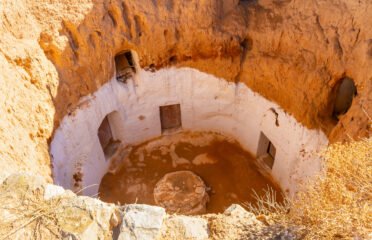






Nestled in the dramatic landscape of southern Tunisia, Chenini is a captivating Berber village perched high on a rocky hilltop. Known for its ancient troglodyte homes carved into the mountain, stunning desert vistas, and rich cultural heritage, Chenini offers travelers a unique glimpse into traditional Tunisian life blended with natural beauty and history. Whether you’re an adventurous explorer, history enthusiast, or cultural seeker, Chenini is a must-visit destination that promises an unforgettable experience.
Getting to Chenini Village
Chenini is located approximately 70 kilometers southwest of Tataouine, the gateway to Tunisia’s Sahara Desert region. The most common way to reach the village is by car or organized tour from Tataouine or Medenine. Road conditions are generally good, and the drive offers scenic views of the rugged landscape and vast desert plains.
If you don’t have a rental car, consider joining a guided desert tour that includes Chenini, as these often combine visits to other nearby Berber villages and famous filming locations from the Star Wars saga. For independent travelers, taxis can be hired, but it’s best to negotiate prices beforehand.
Explore the Troglodyte Village
Chenini is famous for its troglodyte dwellings, ancient homes carved out of the hill’s rocky slopes. These cave houses were historically carved to provide insulation against the extreme heat and cold of the desert environment. As you wander through the narrow, winding pathways, you’ll see traditional houses, some still inhabited, and others preserved as historical sites.
The village layout is a fascinating blend of natural rock formations and human ingenuity, with steps and tunnels connecting the houses. Don’t miss the hilltop mosque, which offers panoramic views over the desert plains and neighboring villages. Climbing up may be a bit strenuous but rewarding, especially during sunrise or sunset.
Immerse Yourself in Local Culture
Chenini remains a vibrant community where Berber traditions continue to thrive. Visitors have the opportunity to meet the local people, learn about their customs, and witness traditional crafts such as weaving and pottery. Many locals are welcoming and happy to share their stories and way of life.
Consider stopping at a family-run guesthouse or café where you can sample homemade Tunisian dishes like couscous, brik (a savory stuffed pastry), or tajine. Tea with mint is a common refreshment and a cultural staple across Tunisia.
Nearby Attractions
- Ksar Ouled Soltane: Just a short drive from Chenini, this fortified granary complex is another stunning example of Berber architecture used to store grains and protect communities from raids.
- Tataouine: The regional capital, Tataouine, offers local markets, traditional crafts, and is famous for its association with Star Wars filming locations.
- Matmata: A troglodyte village located nearby, Matmata is known for its underground homes and unique landscape, offering another perspective on desert life.
- Desert Excursions: Many travelers use Chenini as a jumping-off point to explore the stunning Sahara Desert with camel treks, 4×4 adventures, and starry night camps under the vast desert sky.
Best Time to Visit
The best time to visit Chenini is during the spring (March-May) and autumn (September-November) months when temperatures are milder. Summers can be extremely hot, with daytime temperatures soaring well above 40°C (104°F), making outdoor exploration challenging. Winter is cooler but can get chilly at night, especially in the desert.
Travel Tips
- Wear comfortable shoes: Exploring the village means navigating uneven stone paths and steep steps.
- Bring water and sun protection: The desert sun is intense, so hats, sunscreen, and hydration are essential.
- Respect local customs: Dress modestly and ask permission before photographing residents.
- Cash is king: Small shops and guesthouses may not accept cards, so carry some Tunisian dinars with you.
- Hire a local guide: To gain deeper insights and support the community, consider arranging a guided tour in the village.
Where to Stay
Accommodation options in Chenini itself are limited but charming. Many visitors choose to stay in nearby Tataouine or Matmata, where there are guesthouses, hotels, and desert camps. For a truly authentic experience, look for family-run guesthouses in Chenini which offer rustic comfort and homemade meals.
Final Thoughts
Chenini Village is more than just a beautiful destination; it is a living testament to the resilience and creativity of the Berber people in one of the world’s most demanding environments. Its historical significance, cultural richness, and breathtaking setting make it a highlight of any trip to Tunisia’s south. Pack your curiosity and sense of adventure, and let Chenini reveal its stories carved in stone and sand.
 Rate it or leave a comment!
 Rate it or leave a comment!
 Own or work here?
Nearby Places to Eat and Drink See All


Nearby Places to See and Do See All