
Eiffel Tower
Closed now
Eiffel Tower
Av. Gustave Eiffel, 75007 Paris, France
The Eiffel Tower: Paris's Most Recognizable Landmark
You can spot the Eiffel Tower from almost anywhere in Paris, rising above the rooftops of the 7th arrondissement like a steel exclamation point. But standing directly beneath it, looking up through that lattice of wrought iron toward the sky, is a different experience entirely. This is the structure that defined what an ambitious engineering project could look like in 1889, and it still draws millions of visitors every year to the Champ de Mars on the Left Bank.
Whether you're visiting Paris for the first time or the fifth, the tower has a way of surprising you. The scale only becomes real once you're inside it.
Why the Eiffel Tower Still Matters
Gustave Eiffel built this as the entrance arch for the 1889 World's Fair, the Exposition Universelle, which was held to celebrate the centennial of the French Revolution. It was never meant to be permanent. The original plan called for it to be dismantled after 20 years, and a vocal segment of Paris's artistic community famously despised it from the start, calling it an eyesore. It survived because it proved useful as a radio transmission tower, and eventually the city simply fell in love with it.
That turnaround is part of what makes the tower interesting beyond its looks. It stands at roughly 330 meters including the antenna, making it taller today than when it opened, and it was the world's tallest man-made structure for more than 40 years. The engineering itself, using a form of wrought iron called puddle iron, was considered radical at the time.
Quick Facts
- Address: Av. Gustave Eiffel, 75007 Paris, in the Champ de Mars area of the 7th arrondissement
- Year opened: 1889
- Height: approximately 330 meters including the broadcast antenna
- Three publicly accessible levels: first floor, second floor, and the summit
- Tickets: timed entry, with separate options for stairs vs. lift access to the first and second floors, and lift-only access to the summit
- The tower is lit up at night, with a sparkling light display running for a few minutes every hour after dark
- Managed by the Société d'Exploitation de la Tour Eiffel (SETE)
Getting There
The closest metro stop is Bir-Hakeim on Line 6, about a 10-minute walk from the tower. Trocadéro on Lines 6 and 9 is another option, and it puts you on the opposite bank of the Seine with that classic postcard view as you approach. The RER C line stops at Champ de Mars-Tour Eiffel, which is closer still if you're coming from the Right Bank or from Versailles.
Walking from the Musée d'Orsay takes roughly 20 minutes along the riverbank. If you're staying anywhere in Saint-Germain-des-Prés, it's an easy and pleasant walk through the 7th.
Avoid arriving by car if you can. Parking around the Champ de Mars is limited, and the area is heavily pedestrianized close to the tower.
The Layout and Experience
The tower has three floors open to visitors. The first floor sits at 57 meters and has been significantly renovated in recent years, with a glass floor section that lets you look straight down to the ground below. It's genuinely disorienting in the best way. There's a restaurant here too, along with exhibits about the tower's history and construction.
The second floor at 115 meters is where the views start to stretch properly across Paris. On a clear day you can see the Sacré-Coeur to the north, Notre-Dame to the east, and La Défense's glass towers on the western horizon. This floor also has the Jules Verne restaurant, which is upscale and requires a separate reservation.
The summit, at 276 meters, is lift-only. The space is smaller and more exposed to wind, but the 360-degree view is hard to argue with. Gustave Eiffel's original office has been recreated here, complete with wax figures of Eiffel and Thomas Edison.
Tickets and Entry
Booking online well in advance is the only reliable way to avoid long queues. Walk-up tickets are available but the lines can stretch for over an hour during peak season, sometimes longer. Timed entry slots fill up days or even weeks ahead in summer.
You can choose between taking the stairs to the first and second floors (a solid workout, around 670 steps to the second floor), or taking the lift. Reaching the summit requires the lift regardless. Each option is priced differently, with stair access generally being the budget-friendlier choice.
Children under a certain age enter free or at reduced rates. Check the official tour-eiffel.fr site for the current pricing tiers and age thresholds, since these tend to be updated periodically.
Best Time to Visit
Early morning slots, right when the tower opens, tend to be the least crowded and give you the softest light for photos. Late evening visits have their own appeal: the city shifts into a warmer tone at dusk, and if you time it right you can watch the hourly light show from the second floor rather than from the ground.
July and August are the busiest months by a significant margin. If you're visiting in shoulder season, April through early June or September through October, you'll find shorter queues and more comfortable temperatures. Winter visits are genuinely underrated. The crowds thin out, the city feels more itself, and on a clear January evening the illuminated tower against a dark sky is hard to forget.
Photography Tips
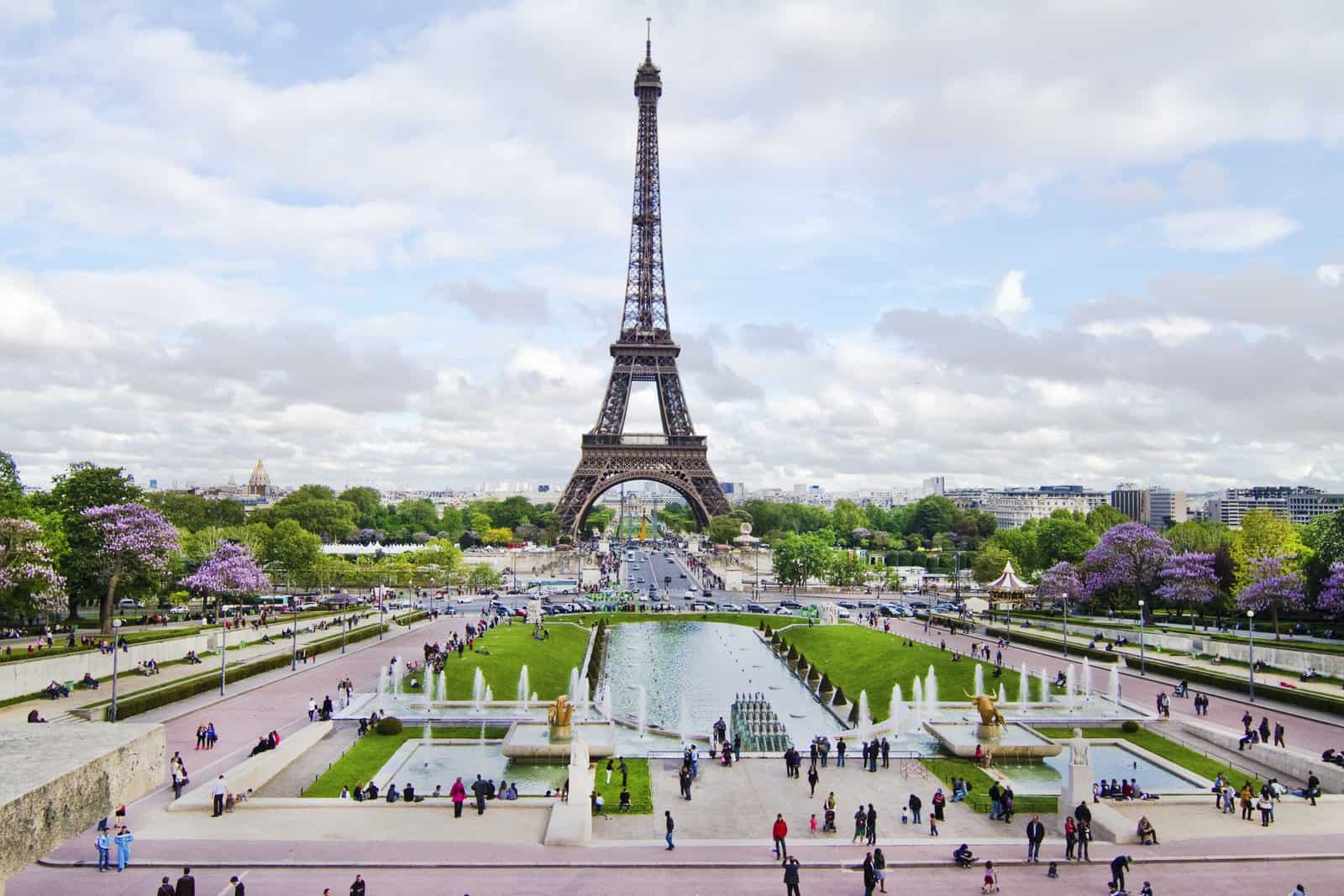
The classic wide shot everyone knows comes from the Trocadéro esplanade, across the Seine to the north. Arrive before sunrise if you want it to yourself. The lawn of the Champ de Mars to the south gives you a longer, flatter perspective and works well for shots that include people in the foreground.
From inside the tower, the second floor offers the most photogenic downward views of the city grid. The glass floor on the first floor is popular for overhead shots looking straight down at the ironwork below your feet.
For the light show, which runs for five minutes at the top of each hour after dark, you want to be on the ground or at Trocadéro. From inside the tower you mostly miss it.
Combining with Nearby Attractions
The Musée du quai Branly is a short walk east along the river, tucked under a canopy of living greenery on the building's facade. It focuses on indigenous arts and cultures from Africa, Asia, Oceania, and the Americas and tends to be far less crowded than you'd expect given its location.
Across the Pont d'Iéna, the Trocadéro gardens and the Palais de Chaillot are worth the detour. The Cité de l'Architecture et du Patrimoine is inside the Palais de Chaillot and is one of Paris's more undervisited architecture museums.
Les Invalides, with Napoleon's tomb and a substantial military history museum, is about 15 minutes on foot heading east through the 7th. It makes for a natural afternoon pairing if you start your day at the tower.
Practical Tips
- Book timed entry tickets online as far in advance as possible, especially between May and September
- Bring a layer even in summer: the upper floors and especially the summit can be significantly windier and cooler than street level
- Security screening happens before you enter the base of the tower; leave extra time for this during busy periods
- The Champ de Mars lawn is a popular picnic spot and a pleasant place to decompress after the visit
- If you want to dine at the Jules Verne on the second floor, book it separately and well ahead of your visit
- Photography is unrestricted during the day; nighttime images of the light show are technically subject to copyright restrictions for commercial use
- The tower is closed during certain high-security events; check ahead if your visit falls near a major public event in Paris
FAQ
Do I need to book tickets in advance?
Technically no, but in practice yes. Walk-up queues during busy months can be extremely long. Online booking guarantees your time slot and usually saves you significant waiting time.
Can I just visit the first floor?
Yes. Tickets are available for the first and second floors only, without adding the summit. This is often enough for most visitors and tends to be less expensive.
Is the Eiffel Tower accessible for visitors with reduced mobility?
Lifts serve all three floors, making the tower generally accessible. Some areas and pathways at the base may be uneven; the official website has detailed accessibility information.
How long should I plan for a visit?
Most people spend between one and a half to three hours, depending on whether they visit all three floors and how long they linger at each level. Add time for the security queue.
Is there somewhere to eat at the tower?
Yes. The first floor has a casual dining option and a snack bar. The second floor houses the Jules Verne, an upscale restaurant that requires a separate reservation and is a destination meal in its own right.
---METADATA--- { "meta_title": "Eiffel Tower: Complete Visitor Guide for Paris", "meta_description": "Everything you need to visit the Eiffel Tower in Paris: tickets, best times, floors, photography tips, and how to get there without the crowds.", "image_queries": [ "Eiffel Tower wide exterior shot from Trocadero esplanade across the Seine at golden hour", "View from inside Eiffel Tower second floor looking out over Paris rooftops through iron lattice", "Tourists on glass floor section of Eiffel Tower first floor looking down through transparent panels", "Eiffel Tower illuminated at night with sparkling lights reflected in the Seine river" ], "tags": [ "historic landmark", "iconic views", "family friendly", "rooftop", "city views", "solo travel", "date night" ] }Opening hours
Reviews
Sign in and mark this place visited to leave a review.
No reviews yet.
Free Trip Planner
Plan your Paris trip with our free planner
Build a day-by-day itinerary with AI suggestions, hand-picked places, and friends. Free forever — no credit card.
Related reading
Things to see near Eiffel Tower

The Trianons & The Hamlet

Galerie des Carrosses

The Royal Chapel – Versailles

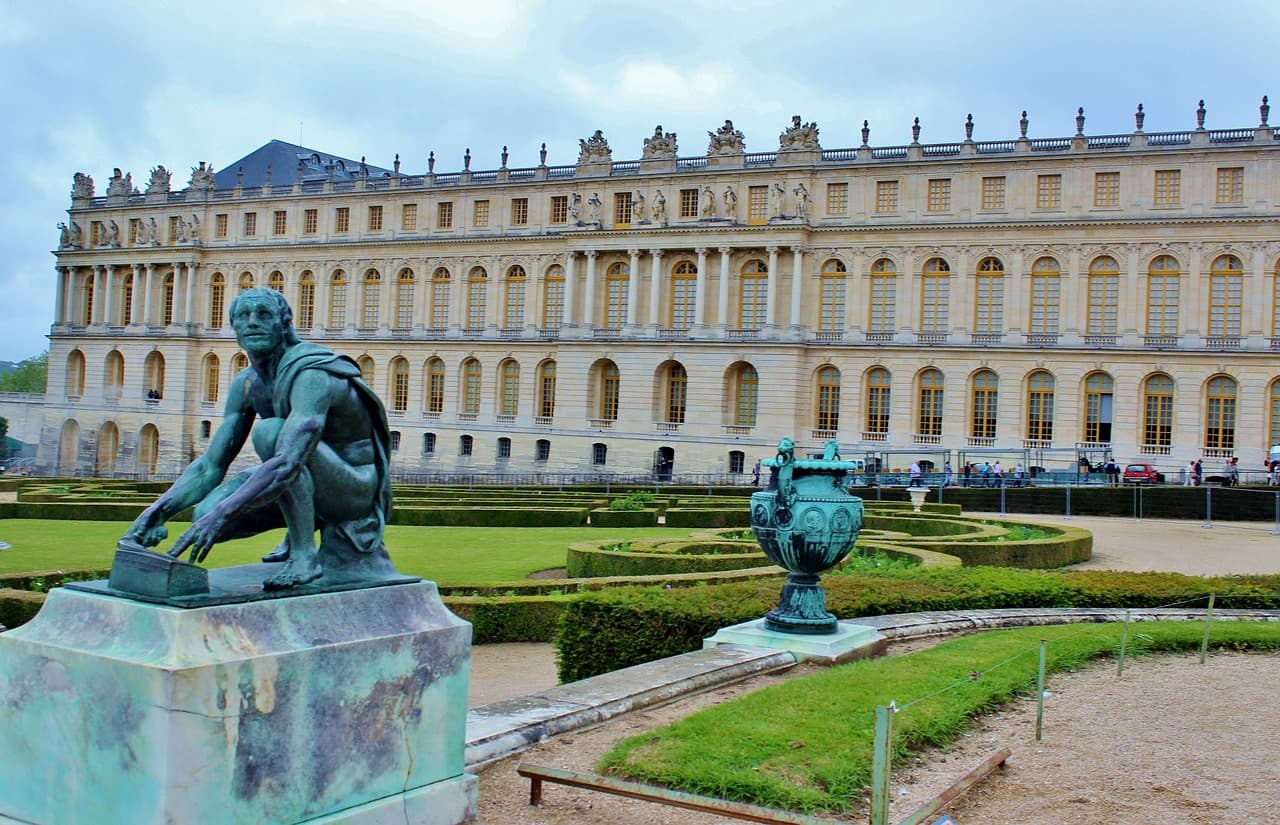
Palace of Versailles
Places to eat or drink near Eiffel Tower



More places in Paris
Alléno Paris au Pavillon Ledoyen

Girafe Restaurant
Sainte-Chapelle
