



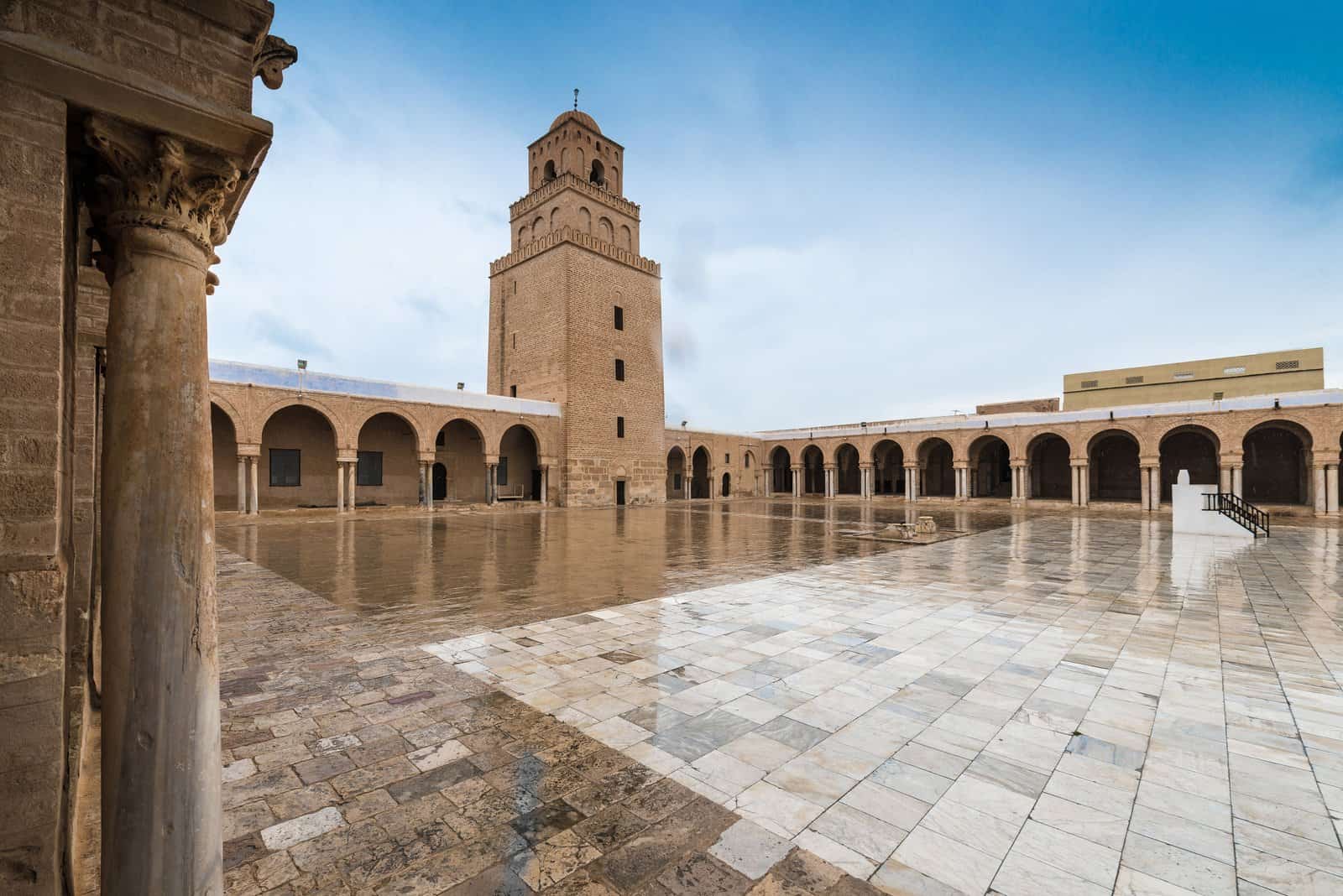

The Great Mosque of Kairouan, also known as the Mosque of Uqba, stands as one of the most remarkable and historic Islamic monuments in Tunisia and the wider Muslim world. Founded in the 7th century, this stunning architectural masterpiece reflects centuries of religious, cultural, and architectural evolution. Visiting the mosque offers travelers a deep dive into Islamic heritage alongside an awe-inspiring display of artistry and spirituality.
History and Significance
Established in 670 AD by the Arab general Uqba ibn Nafi, the Great Mosque of Kairouan is often regarded as the oldest place of worship in Tunisia and one of the oldest in North Africa. Its prominent role as a center for Islamic learning and jurisprudence made Kairouan an intellectual hub during the early years of Islam. This mosque is considered a model of Islamic architecture and has influenced mosque designs throughout the Maghreb and Andalusia.
Recognized by UNESCO as a World Heritage Site, the mosque reflects a confluence of various cultural influences including Roman, Byzantine, and indigenous North African elements blended into Islamic tradition. It symbolizes the spread of Islam across North Africa and continues to be an important pilgrimage site for Muslims.
Architectural Features
The Great Mosque is renowned for its grand scale and intricate design. Spanning approximately 9,000 square meters, it is laid out in a rectangular shape with fortified walls. The mosque’s architecture combines function and beauty, creating an inspiring spiritual atmosphere.
- The Minaret: The mosque’s minaret is one of the oldest in the Muslim world and serves as an iconic symbol of Kairouan. Standing approximately 31.5 meters tall, it consists of three levels and exemplifies early Islamic military architecture merged with religious symbolism.
- The Prayer Hall: Featuring a vast hypostyle hall supported by hundreds of columns sourced from ancient Roman and Byzantine ruins, the prayer hall has rows of arches and a wooden ceiling elaborately decorated with motifs. The vast space comfortably accommodates thousands of worshippers.
- The Courtyard (Sahn): The mosque’s large open courtyard is surrounded by arcades and houses a fountain used for ablutions. The serene, sunlit courtyard provides a welcoming transition from the outside world to the sacred interior.
- The Mihrab: The prayer niche indicates the direction of Mecca and is exquisite in its decoration, featuring marble, carved wood, and intricate mosaics from the Aghlabid period, reflecting an exceptional attention to artistic detail.
Visiting Tips
- Opening Hours: The mosque is generally open to visitors throughout the week, but it’s best to check the local schedule as hours may vary during religious occasions or holidays.
- Entry Requirements: Non-Muslim visitors can enter the mosque outside prayer times but should dress modestly. Women are advised to cover their shoulders and legs, and both men and women should avoid flashy or revealing clothing.
- Guided Tours: Hiring a local guide or joining a tour group can enrich your visit by providing historical context and interesting anecdotes about the mosque’s art and architecture.
- Photography: Photography is usually permitted, but it’s respectful to avoid taking pictures of worshippers during prayer. Check for specific signs and guidelines at the entrance.
How to Get There
Kairouan is located approximately 160 kilometers southwest of Tunis, the capital of Tunisia. The easiest way to reach the city is by car or bus from Tunis, with the journey taking around two hours. Once in Kairouan, the Great Mosque is centrally located and easily walkable from most parts of the old town.
If you are arriving from other parts of Tunisia or neighboring countries, Kairouan is well-connected by regional transport, and taxis provide convenient transportation within the city.
Nearby Attractions
After exploring the Great Mosque, you can enrich your visit by discovering the rich cultural tapestry of Kairouan:
- The Medina of Kairouan: Wander through the winding alleys of the UNESCO-listed medina with its traditional shops selling carpets, textiles, pottery, and spices.
- The Aghlabid Basins: These enormous ancient reservoirs once supplied water to the city and are an impressive example of early hydraulic engineering.
- The Mausoleum of Sidi Sahab: Located close to the mosque, this shrine is dedicated to a companion of the Prophet Muhammad and draws many visitors and pilgrims.
Final Thoughts
The Great Mosque of Kairouan offers more than just a glimpse into Tunisia’s rich Islamic history—it’s an immersive experience in spirituality, art, and architecture that has withstood the test of time. Whether you are a history enthusiast, architecture lover, or spiritual traveler, a visit to this sacred site is truly unforgettable. When planning your trip, allow enough time to explore both the mosque and the surrounding city to fully appreciate the legacy of this extraordinary Tunisian landmark.
 Rate it or leave a comment!
 Rate it or leave a comment!
  Open Now08:00 AM - 02:00 PM
- Monday08:00 AM - 02:00 PM
- Tuesday08:00 AM - 02:00 PM
- Wednesday08:00 AM - 02:00 PM
- Thursday08:00 AM - 02:00 PM
- Friday08:00 AM - 12:00 PM
- Saturday08:00 AM - 02:00 PM
- Sunday08:00 AM - 02:00 PM


 Own or work here?
Nearby Places to Eat and Drink See All


Nearby Places to See and Do See All




Monastir Ribat..
- Be the first one to rate!


Monastir Marina..
- Be the first one to rate!