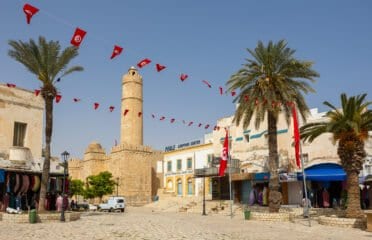






Monastir Ribat stands as one of Tunisia’s most iconic historical landmarks, offering a captivating glimpse into the country’s rich Islamic heritage and coastal charm. Overlooking the shimmering waters of the Mediterranean Sea, this fortress is much more than just a military structure—it’s a symbol of endurance, spirituality, and architectural beauty, drawing visitors eager to explore its ancient walls and panoramic views.
History and Significance
The Monastir Ribat was constructed in 796 AD, making it one of the oldest Islamic monuments in Tunisia. Originally built as a defensive fortification against Byzantine invasions, it soon evolved into a religious and military center. The ribat—an Islamic fortress-monastery—served as a place where warriors, known as murabitun, combined spiritual devotion with military duty. Over the centuries, it played a crucial role during the Islamic conquests and protected the coastline from pirate attacks.
Its strategic location on a rocky peninsula ensured control over maritime routes, while also providing a safe haven for scholars and Sufi mystics who used the ribat as a place of study and worship. Today, it stands as a testament to Tunisia’s unique blend of religious devotion and military resilience.
Architectural Highlights
Walking through the Monastir Ribat, visitors will notice a blend of Islamic and North African architectural styles. The fortification is characterized by towering stone walls, intricately designed arches, and sturdy battlements. Its prominent square-shaped watchtower, rising about 30 meters high, offers one of the best vantage points in Monastir.
- The Courtyard: At the heart of the ribat lies a serene courtyard with a small prayer room, once used by the warrior monks for their spiritual rituals.
- The Watchtower: Climbing to the top unveils breathtaking views of the Mediterranean coastline, the city of Monastir, and the surrounding olive groves.
- Defensive Walls and Bastions: These impressive features were designed for defense against sea invasions and remain remarkably well-preserved.
- Small Chambers and Corridors: Explore various small rooms where soldiers once lived and prayed. The simplicity of the interiors contrasts with the imposing exterior, reflecting the austere lifestyle of the ribat’s inhabitants.
What to Do and See
Exploring the Monastir Ribat is a perfect activity for history buffs, architecture lovers, and photography enthusiasts. Here are some highlights to include in your visit:
- Guided Tours: Engage a knowledgeable guide to learn about the ribat’s history, architecture, and the Murabitun order. Their stories bring the ancient stones to life.
- Sunset Views: Stay until the late afternoon to catch the sunset from the watchtower—a truly magical moment when the sky is painted in hues of orange and pink, reflecting off the calm sea below.
- Local Museum: Nearby, the Monastir Museum offers artifacts and exhibits that complement your visit by providing context about the region’s history and culture.
- Walking the Coastline: The ribat’s proximity to the Mediterranean invites visitors to enjoy a peaceful stroll along the beach or take in the fresh sea breeze from the fortress walls.
Practical Information
Location: The ribat is situated in the heart of Monastir, easily accessible on foot or by taxi from the town center.
Opening Hours: It is generally open daily from early morning until late afternoon, but it’s advisable to check current times ahead of your visit, especially during public holidays.
Admission Fees: Entrance fees are modest, and often discounted for students and seniors. Tickets can be purchased at the entrance.
Best Time to Visit: Spring (March to May) and autumn (September to November) offer pleasant weather conditions that are ideal for exploring the ribat and surrounding areas.
What to Bring: Comfortable walking shoes, a hat or sunscreen, and a camera to capture the stunning views.
Nearby Attractions and Amenities
Monastir itself is a vibrant coastal city offering a mix of historical sites, beaches, and modern amenities. After visiting the ribat, consider exploring these nearby spots:
- Bourguiba Mausoleum: A short walk from the ribat, this impressive white marble mausoleum honors Tunisia’s first president and is an important cultural site.
- Monastir Marina: Enjoy a leisurely meal or coffee at one of the waterfront cafes, soaking in views of luxury yachts and the Mediterranean.
- Beaches: Several pristine public beaches are located nearby, perfect for swimming, sunbathing, or simply relaxing by the sea.
- Local Markets: Discover traditional Tunisian crafts, spices, and souvenirs at nearby markets, ideal for picking up unique gifts.
Tips for Visitors
- Try to visit early in the morning or late afternoon to avoid the midday heat, especially in summer.
- Respect the historical and religious significance of the site by dressing modestly and behaving respectfully within the ribat.
- Bring water and stay hydrated, as some areas within the ribat have limited shade.
- Combine your visit with a guided tour or an audio guide app to get the most out of your experience.
Monastir Ribat offers a unique journey back in time to the early days of Islamic Tunisia while presenting stunning views of the Mediterranean coast. Whether you’re a history enthusiast or simply seeking a serene spot steeped in culture and beauty, this ancient fortress promises a memorable visit filled with discovery and inspiration.
 Rate it or leave a comment!
 Rate it or leave a comment!
  Open Now08:30 AM - 05:30 PM
- Monday08:30 AM - 05:30 PM
- Tuesday08:30 AM - 05:30 PM
- Wednesday08:30 AM - 05:30 PM
- Thursday08:30 AM - 05:30 PM
- Friday08:30 AM - 05:30 PM
- Saturday08:30 AM - 05:30 PM
- Sunday08:30 AM - 05:30 PM


 Own or work here?
Nearby Places to Eat and Drink See All
Nearby Places to See and Do See All
Monastir Marina..
- Be the first one to rate!