
Mostar Old Town
Mostar, Herzegovina-Neretva, Bosnia and Herzegovina Posted by Brandon B.Admin
Mostar Old Town: Where the Ottoman Past Is Still Very Much Present
Mostar Old Town sits along the banks of the Neretva River in southern Bosnia and Herzegovina, and it remains one of the most visually striking places in the entire Balkans. The cobblestoned bazaar quarter, the minarets rising above the rooftops, and above all the famous Stari Most bridge arching over turquoise water — this is a place that tends to stop people in their tracks. If you've seen a single photograph of Bosnia, it was probably taken here.
But Mostar Old Town is more than a backdrop. It's a functioning neighborhood where copper-smiths still work in the same lanes they've occupied for centuries, where the call to prayer echoes off stone walls five times a day, and where the scent of grilled meat from the čevapi restaurants drifts through the Kujundžiluk bazaar most afternoons. Coming here without any context can feel overwhelming in the best possible way.
Why Mostar Old Town Matters
The old town's significance is inseparable from the war of the 1990s. The original Stari Most bridge, built in 1566 under the Ottoman Empire, was deliberately destroyed by artillery fire in November 1993. Its reconstruction, completed in 2004, became a symbol of reconciliation across the region, and UNESCO added the bridge and the surrounding old city to the World Heritage List that same year. Walking across that bridge today, you're crossing something that carries a very specific weight.
The Ottoman-era urban fabric here is genuinely rare. Much of it survived the conflict, and the streets around Kujundžiluk feel closer to 16th-century Anatolia than to anywhere else you'll find in Europe. That's not hypnose — it's the result of careful preservation and, in some cases, painstaking reconstruction using original techniques and locally sourced stone.
Quick Facts
- Location: West bank of the Neretva River, central Mostar
- UNESCO World Heritage Site status granted in 2005
- The current Stari Most bridge was completed in 2004 after an 11-year absence
- The old bazaar street, Kujundžiluk, is roughly a 5-minute walk end to end
- Free to explore the old town itself — individual attractions have their own entry fees
- Most easily reached from Sarajevo in about 2.5 hours by bus or car
- The town sits at the border between the Federation of Bosnia and Herzegovina and Republika Srpska administrative entities
Getting There
Mostar has a small train station and a bus station, both within walking distance of the old town. Buses from Sarajevo run regularly and the journey takes around two and a half hours depending on the route. From Dubrovnik in Croatia the trip is roughly two to three hours by bus, making Mostar a popular day trip from the coast, though staying overnight changes the experience considerably.
Once you're in the city, the old town is walkable from most accommodation. If you arrive by car, parking near the historic core is limited and the lanes themselves are pedestrian-only. The easiest approach on foot is from the north side of the bazaar, coming down through Kujundžiluk toward the bridge, so you get the classic downhill reveal of Stari Most as you approach it.
The Layout and Experience
The old town clusters tightly on both banks of the Neretva, though the main bazaar and most of the Ottoman-era buildings sit on the east bank. The Kujundžiluk street is the commercial spine: a narrow lane of low stone shops selling copperwork, embroidery, miniature bridge replicas, and the kind of tourist goods you'd expect. It's busy, often crowded in summer, and entirely worth it.
The bridge itself connects the two banks at the street's southern end. Standing on it, you look down roughly 21 meters to the river below. On warm days, divers from the local diving club jump from the crown of the arch — a tradition going back generations. They don't just leap on demand; they'll typically wait until they've gathered enough donations from the watching crowd, which gives the whole thing a pleasantly theatrical quality.
On the west bank, the Croat side of town has its own character, with more modern cafes and a quieter atmosphere. The old town proper, though, is concentrated on the east side, where you'll find the Koski Mehmed-Pasha Mosque, several old Ottoman houses converted into museums, and the tangle of lanes behind the bazaar that most visitors miss entirely.
Main Highlights
Stari Most
The bridge is the reason most people come, and it earns the attention. The single-arch design in white Tenelija limestone has a profile unlike any other Ottoman bridge in the region. Walk across it, then walk back. Then find a cafe on the bank and look at it from the water level. The view changes completely depending on where you stand and what the light is doing.
Kujundžiluk Bazaar
The bazaar dates to the 16th century and still functions as an active market rather than a purely tourist corridor. Copperwork is the traditional craft here — the hammering sound you'll hear is real, not recorded atmosphere. If you're buying anything, the coppersmith shops tend to offer better quality than the souvenir stalls mixed in among them.
Koski Mehmed-Pasha Mosque
Built in the early 17th century, this mosque sits directly on the riverbank and has one of the best minaret views in the city. You can climb the minaret for a small fee, and the view down over the bridge and the green-blue Neretva is worth every step of the narrow staircase.
Old Bridge Museum (Muzej Stari Most)
Located in a tower at the bridge's east end, this small museum documents the original bridge's construction, its destruction, and the international effort to rebuild it. The exhibits are modest in scale but the subject matter carries real weight. Plan for about 30 to 45 minutes.
Bišćevića House
One of several Ottoman residential houses open to visitors, the Bišćevića House dates to the 18th century and gives you a genuine sense of how wealthy merchants lived in this part of the world. The courtyard garden alone is worth the entry fee.
Best Time to Visit
Summer, specifically July and August, brings significant crowds. The bazaar fills up by mid-morning and the bridge becomes a photo scrum by midday. If you're visiting in peak season, arrive before 9am — the light is better anyway, and the lanes are quiet enough to actually hear the river.
Spring and early autumn are the sweet spot. April through June and September into October offer manageable crowds, comfortable temperatures for walking cobblestones all day, and a greener version of the surrounding hills. Winter is quiet and occasionally cold, but the old town without tourists has its own appeal, and many of the restaurants and shops stay open year-round.
Photography Tips
The classic shot of Stari Most is taken from downstream, usually from the Lucac bridge or the rocky riverbank below the old town. You want to be low and close to the water to get the arch framed against the sky. Golden hour before sunset hits the limestone bridge in a warm light that midday photos can't replicate.
For the bazaar, shoot early and shoot looking upward — the overhanging shop signs and the narrow strip of sky above Kujundžiluk make for better compositions than the eye-level crowd shots most people bring home. The mosque interior allows photography when it's not during prayer times, and the geometric tilework rewards a close lens.
Combining with Nearby Attractions
The Blagaj Tekke, a 16th-century Dervish monastery built into a cliff face at the source of the Buna River, is about 12 kilometers from Mostar and easily reached by taxi or a short drive. It's one of the most dramatic single sites in Herzegovina and pairs naturally with a Mostar day.
Počitelj, a fortified Ottoman village on a hillside above the Neretva about 30 kilometers south, is another strong half-day add-on. The view from the fortress tower over the river and the surrounding landscape is exceptional, and the village itself is largely car-free.
Practical Tips
- Wear shoes with grip — the polished limestone cobblestones on the bridge and in the bazaar get extremely slippery, especially after rain
- The Bosnian mark (BAM) is the local currency; card acceptance varies by vendor in the bazaar
- Čevapi at one of the small restaurants just off the bazaar is the standard local lunch — the portions tend to be generous and the prices are budget-friendly
- If you want to watch the bridge divers, late afternoon on a hot summer day is your best window
- Mosques in the old town welcome non-Muslim visitors outside prayer times; dress modestly and remove shoes at the entrance
- The old town is compact enough to cover thoroughly on foot in a half day, though a full day gives you time to slow down and eat properly
- Accommodation within the old town itself is limited but available — staying inside the historic core means you get the evening atmosphere after day-trippers leave, which is a different place entirely
FAQ
Is Mostar Old Town safe to visit?
Yes. The city has been stable and open to tourism for many years. Standard urban awareness applies, but the old town is heavily visited and generally very safe for travelers.
How much time do you need in Mostar Old Town?
A half day covers the main sights. A full day lets you visit the museums, climb a minaret, eat a proper lunch, and still have time to sit by the river. If you're combining with Blagaj or Počitelj, plan for a full day minimum.
Can you swim in the Neretva near the old town?
Local swimmers do use the river, and there are spots along the bank where you can get in. The water is cold even in summer due to the river's mountain source. Check conditions locally before getting in.
Do you need a guide for the old town?
Not strictly. The area is small enough to navigate independently, and the main sights are well-signed. A guided tour adds context around the war, the reconstruction, and the Ottoman history that a solo wander won't give you — worth considering if the history is part of why you're here.
Is Mostar Old Town worth visiting as a day trip from Dubrovnik?
It is, though the two-to-three hour journey each way means you'll feel rushed. If your schedule allows even one night in Mostar, the evening atmosphere in the old town after the tour groups leave is a significant upgrade on a quick turnaround visit.
Opening hours
Reviews
Sign in and mark this place visited to leave a review.
No reviews yet.
Free Trip Planner
Plan your Bosnia And Herzegovina trip with our free planner
Build a day-by-day itinerary with AI suggestions, hand-picked places, and friends. Free forever — no credit card.
Things to see near Mostar Old Town

Radimlja Necropolis

Historic Počitelj
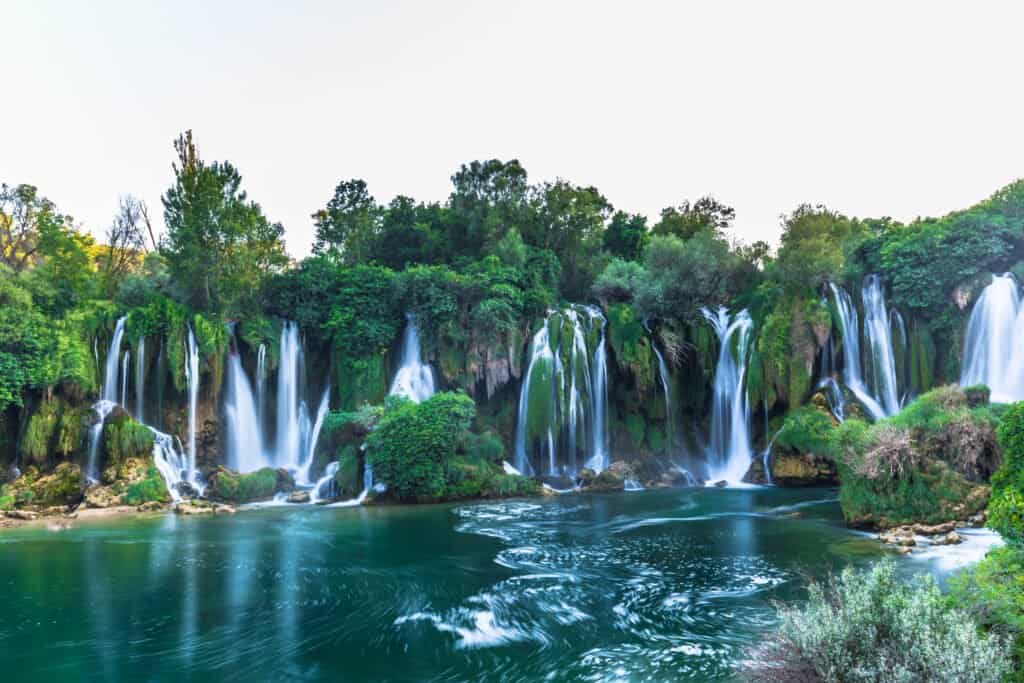
Kravica Waterfall

Kravica (Kravice) Falls
Places to eat or drink near Mostar Old Town


More places in Mostar

Muzej Stari most

Koski Mehmed Pasha Mosque

Biscevic House
