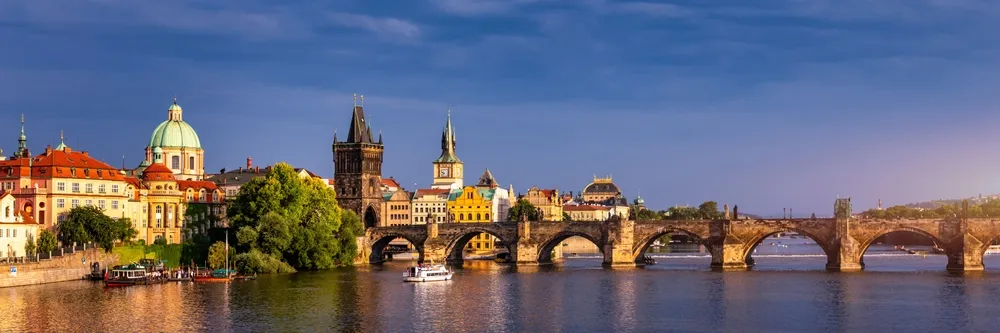






Porta Camollia is one of the most iconic gateways to the historic city of Siena, Tuscany. This ancient gate not only serves as an entrance to the medieval walls but also invites travelers to delve into the rich history, charming atmosphere, and architectural beauty that define Siena. Whether you are a history buff, an architecture enthusiast, or simply a curious traveler, Porta Camollia offers an unforgettable introduction to this UNESCO World Heritage city.
History and Significance of Porta Camollia
Built in the 13th century, Porta Camollia was originally part of Siena’s extensive defensive walls. It was strategically placed on the northern edge of the city to protect against invasions and control access. The gate is named after a legendary Roman soldier, Camullius, who is said to have founded Siena by defeating a dragon. Over the centuries, Porta Camollia witnessed countless historical events, including battles and the rise and fall of local families who controlled the city.
Today, this gate serves as a symbol of Siena’s resilience and medieval heritage. It stands as a proud reminder of the city’s martial past, while also marking the beginning of a journey into the cultural and architectural treasures that lie beyond its archways.
Architectural Features
Porta Camollia is a fine example of Gothic military architecture with Renaissance modifications. The most striking feature is the majestic entrance flanked by robust stone walls. Above the arch, you’ll find the Medici coat of arms—a nod to the powerful Medici family who controlled Siena at various points in history.
- The Archway: The rounded arch is constructed with beautifully cut stones, showcasing the skill of medieval masons.
- Defensive Walls: Thick and imposing, these were designed to withstand sieges and protect the city’s inhabitants.
- Heraldic Symbols: Look for coats of arms and fresco remnants that tell stories of Siena’s political alliances and rulers.
The gate is not just a functional structure but a work of art that reflects Siena’s historical importance and artistic sensibilities.
How to Get There
Porta Camollia is conveniently located about a 10 to 15-minute walk from Siena’s main square, Piazza del Campo. If you’re coming from the train station, it takes roughly 20 minutes on foot. Alternatively, local buses can drop you nearby, but walking is highly recommended to soak in the ambience of Siena’s narrow, winding streets.
The area surrounding Porta Camollia is quiet yet vibrant, contrasting beautifully with the hustle and bustle of the historic center. Walking through the gate, you’ll immediately feel transported back in time, as the narrow lanes beyond wind past medieval buildings, small cafes, and artisan shops.
What to See and Do Near Porta Camollia
- Explore the Medieval Walls: Take a stroll along the surviving sections of the ancient city walls for panoramic views of Siena’s rooftops and Tuscan countryside.
- Via Camollia: This lively street runs just inside the gate and is packed with charming shops, traditional osterias, and gelaterias. It’s the perfect place to sample local delicacies and admire handmade crafts.
- San Niccolò al Carmine: A beautiful church nearby that offers a peaceful respite and contains impressive frescoes worth a visit.
- Bastione di Porta Camollia: An impressive bastion and lookout point that invites visitors to enjoy sweeping views of Siena’s hills and the surrounding countryside.
Tips for Visiting Porta Camollia
- Timing: Early morning or late afternoon are the best times to visit for softer light and fewer crowds.
- Photography: The gate is a favorite spot for photographers, especially when the sunlight highlights its stone texture and coats of arms.
- Guided Tours: Consider joining a walking tour that includes Porta Camollia to gain a richer understanding of its history and significance.
- Wear comfortable shoes: The area around Porta Camollia involves cobblestone streets and slight inclines — perfect for wandering but best with sturdy footwear.
Where to Eat Nearby
After exploring Porta Camollia, treat yourself to some authentic Tuscan cuisine in one of the intimate trattorias nearby. Here are a few recommendations:
- Osteria le Logge: A charming restaurant offering traditional Sienese dishes with a modern twist, just a short walk from the gate.
- La Canonica di San Pietro: Known for its rustic flavors and warm ambiance, perfect for sampling pici pasta and local wines.
- Gelateria Kopakabana: For a refreshing treat, try this popular gelato spot along Via Camollia with inventive flavors and natural ingredients.
Nearby Attractions to Continue Your Journey
Porta Camollia can be the starting point for a memorable day of discovery in Siena:
- Piazza del Campo: Just a pleasant walk downhill, this famous square hosts the Palio horse race and offers numerous cafes and historic buildings.
- Siena Cathedral (Duomo): Marvel at the striking black-and-white striped marble façade and explore the stunning interior and its artworks.
- Fontebranda: One of Siena’s oldest fountains, steeped in medieval history, not far from Via Camollia.
Final Thoughts
Porta Camollia is more than just a city gate; it is a gateway to Siena’s soul. It invites travelers to explore the layers of history, admire exquisite architecture, and experience the vibrant local culture. Whether you linger by the fortress walls, enjoy a leisurely meal nearby, or simply walk through the arch absorbing the atmosphere, Porta Camollia will leave you with a deeper appreciation for this enchanting Tuscan city.
 Rate it or leave a comment!
 Rate it or leave a comment!
 Own or work here?
Nearby Places to Eat and Drink See All


Osteria La Chiaccher..
- Be the first one to rate!
Pasticceria Nannini..
- Be the first one to rate!


Antica Osteria da Di..
- Be the first one to rate!
La Taverna di San Gi..
- Be the first one to rate!