Seoul Travel Guide Overview
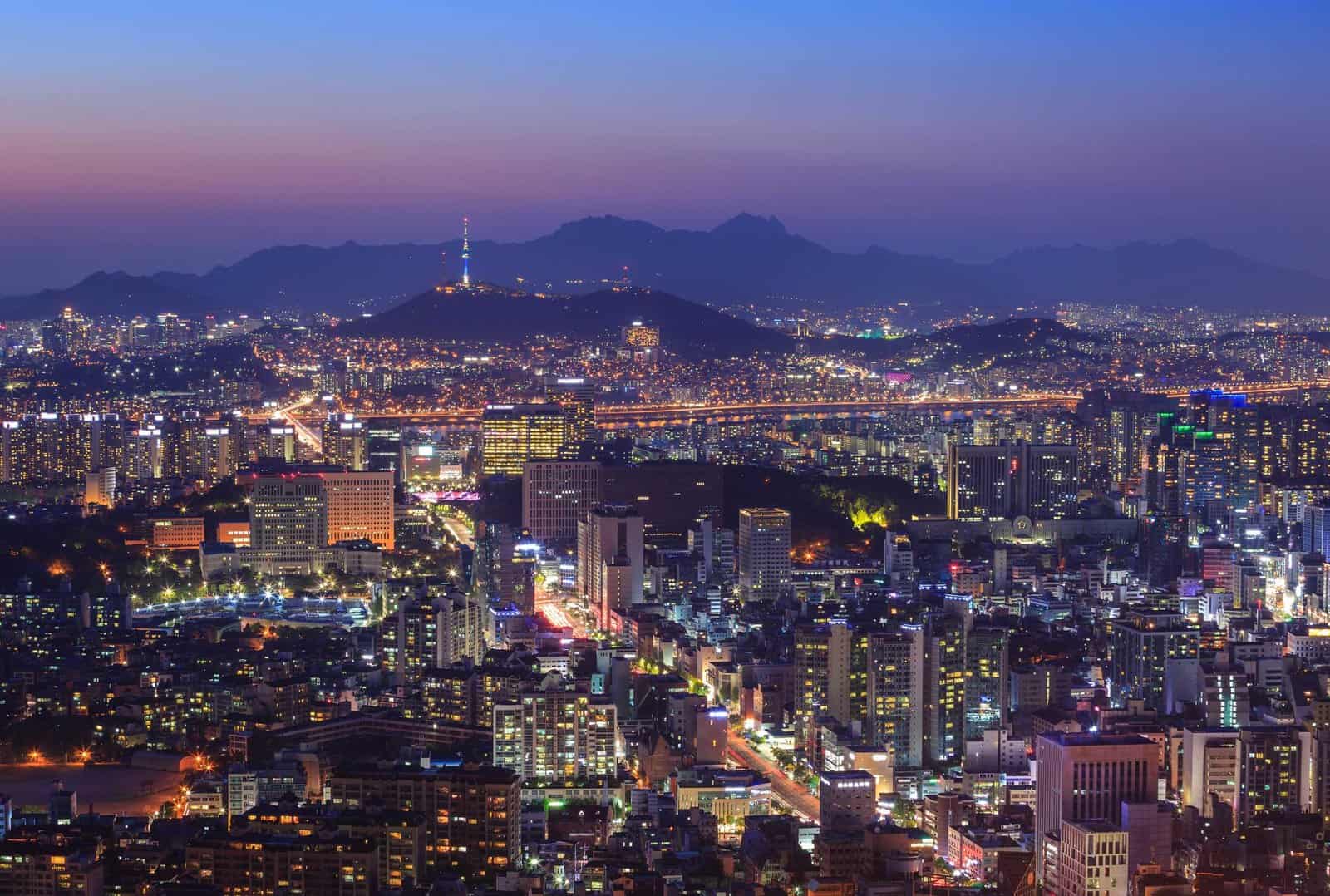
If you want one clean sentence for this Seoul Travel Guide: Seoul is fast, dense, wired, loud—yet it keeps old Korea alive right in the middle of the noise.
You feel it on day one. A subway station the size of a small town. Ten lanes of traffic. LED billboards stacked on buildings like extra floors. Then you step into a palace courtyard and it’s gravel under your shoes, tiled roofs, wooden beams, pine trees, and mountains sitting behind everything like they’ve been watching this city for centuries. Because they have.
Seoul sits in the northwest of South Korea, split by the Han River, ringed by low mountains. The city proper is around 10 million people, but the metropolitan area is far bigger. You’ll notice the scale in small ways: subway lines that keep going, neighborhoods that feel like separate cities, and a “quick trip” that turns into 45 minutes without anyone acting like it’s strange.
Historically, Seoul became the capital of the Joseon Dynasty in the late 14th century (then called Hanyang). Later came Japanese colonial rule (1910–1945), then the Korean War, which devastated the city. Seoul rebuilt hard and fast after that, and it never really stopped rebuilding. That’s why it looks like this: modern towers laid over deep tradition, new glass at street level, old stone gates still standing.
Korean is the daily language. English shows up in subway signs, tourist districts, and many menus, but don’t assume every taxi driver wants to chat in English. Currency is KRW. Cards work almost everywhere. Seoul also runs on phones—payments, maps, tickets, translations. Bring a charger. Bring patience for apps. You’ll be fine.
This Seoul Travel Guide is built for real planning: when to go, where to stay, how to enter and move around, plus what to eat and what to do. Not poetic. Practical. Seoul doesn’t need hype.
When to Visit Seoul
Seoul has four seasons. Not “kinda.” Actual seasons, with mood shifts that change your entire trip.
Spring (April to May) is the crowd favorite. Cherry blossoms hit parks, palace grounds, and riverside paths. Temperatures sit in a comfortable range, usually cool mornings and mild afternoons. You can walk for hours without feeling punished. Downside: it gets busy. Locals travel too, plus international visitors rush in for blossom season. Prices tighten.
Summer (June to August) is hot and humid. It’s not just heat, it’s the sticky air that makes you tired faster. July often brings monsoon rains. Sudden heavy storms happen, umbrellas everywhere, wet sidewalks, then it clears and the city keeps moving like nothing happened. Summer is still fun if you accept indoor time—cafés, museums, shopping districts, late-night meals. Seoul’s air conditioning is intense, so you swing between sweaty streets and cold interiors. Weird combination. Normal here.
Autumn (September to October) is arguably the best overall. Clear skies, lower humidity, and the mountains turn red and gold. You’ll hear locals talk about “fall hiking” like it’s a holiday. It kind of is. Autumn weekends get crowded on trails, but the weather pays you back.
Winter (December to February) is cold. Windy too. Temperatures often drop below freezing, and the wind cuts between buildings. Snow happens some years, not always, but the city looks sharp when it does. Winter travel perks: fewer tourists, better hotel deals sometimes, and food hits harder—hot stews, spicy soups, street snacks steaming in the dark. Downsides: shorter daylight, and you’ll spend more time planning around warm indoor stops.
Holidays matter. Lunar New Year and Chuseok can change transport availability, museum hours, and hotel rates. Not a deal breaker. Just don’t show up expecting the city to run like a normal week.
Where to Stay in Seoul
Seoul is neighborhood-driven. Hotel quality can be great almost anywhere, yet your experience changes depending on where you sleep. The city is big enough that location beats “fancy room.” Especially if you’re doing a short trip.
Myeongdong is an easy first-timer base. Central, walkable, packed with shops and street food at night. Subway access is strong. The vibe is busy, tourist-forward, practical. You can walk to markets and downtown sights without much stress. It won’t feel quiet. If you need silence, this isn’t it.
Jongno and nearby areas put you close to palaces, traditional streets, older Seoul. It’s a good fit if you care about history and want early mornings at Gyeongbokgung before crowds arrive. Nightlife here exists but feels calmer than Hongdae or Itaewon. It’s not sleepy, just less chaotic.
Insadong is adjacent to that historic core and leans more cultural: tea houses, crafts, galleries, souvenir streets that can be touristy but still fun. Staying near here makes it easy to build palace days and museum days without long rides.
Hongdae (Hongik University area) is youth culture and late nights. Street performers, indie shops, bars, clubs, cheap eats that run late. Great for solo travelers and friend groups. Not ideal for early sleepers. Noise is part of the deal.
Hapjeong and parts of Mapo give you access to Hongdae energy without sleeping in the center of it. A little calmer. Still connected. This is a good “smart base” if you want balance.
Itaewon is international and nightlife-heavy. Global restaurants, bars, a mixed crowd. It has changed over time, but it still functions as a late-night hub. If you want diversity in food and a social scene, it works. If you want a quiet traditional vibe, you’ll fight it.
Gangnam is modern, polished, corporate, and wide-road Seoul. Shopping malls, offices, upscale restaurants. Hotels often feel newer and more spacious by Seoul standards. You’ll be farther from the palace zone, but transit is good and the vibe is sleek. It can feel less “old Seoul,” more “big money Seoul.” That may be exactly what you want.
Seongsu-dong has a creative, industrial-to-trendy feel. Warehouses turned into cafés, pop-ups, design shops. It’s not the most central for classic sights, but it’s a fun base if you like modern Seoul culture and don’t mind hopping around by subway.
For families: look for areas with easy Line 2 access or major transfer stations, and prioritize hotel room size and laundry options. For couples: central districts near the river or near Namsan can be romantic, especially at night. For budget travel: guesthouses cluster in Hongdae, Jongno, and around major universities. For business trips: Gangnam and Yeouido are common.
One blunt note: don’t expect huge rooms unless you pay for them. Seoul hotels can be compact even at mid-range prices. Efficiency over space.
How to Reach Seoul
Most international travelers arrive through Incheon International Airport (ICN). It’s large, modern, organized, and usually smooth. Official airport site: https://www.airport.kr/ap/en/index.do
From Incheon, the main rail connection is AREX (Airport Railroad Express). There’s an express option (fewer stops) and an all-stop commuter option. Both connect to the Seoul subway network through Seoul Station and other key points. AREX info: https://www.arex.or.kr/main.do
Gimpo International Airport (GMP) handles domestic flights and some short-haul regional routes. It’s closer to central Seoul and easy to reach via subway. If your itinerary includes Jeju, Busan flights, or quick domestic hops, Gimpo becomes relevant.
High-speed rail is a big part of Korea travel. KTX trains link Seoul to Busan and major cities. Most people use Seoul Station or Yongsan Station. Korail official site: https://www.letskorail.com/
Airport travel time is real. Seoul traffic can be slow at the wrong time. If your flight is early, treat it seriously. Leave earlier than you think you need to. Seoul will not apologize for rush hour.
How to Get Around Seoul
Seoul’s subway is the core. Extensive lines, frequent trains, clear signage. Stations can be huge, so give yourself extra minutes for walking inside the station, not just riding the train.
You’ll want a T-money card. Tap in, tap out. It works on subways, buses, and many taxis. It also works in some stores. T-money info: https://www.t-money.co.kr/ncs/pct/tmnyintd/ReadTmoneyIntrd.dev
Buses fill gaps, and Seoul bus routes are more useful than many visitors expect. They’re color-coded (trunk, local, express). Stops can be dense, and drivers don’t wait forever, so know your stop before you get on. A phone map helps.
Taxis are relatively affordable for a capital city. Base fares are reasonable. Late-night surcharges can apply. Drivers may not speak English fluently; showing the address in Korean is the easiest fix. Use an app if you want smoother pickup.
Walking is great in certain districts, then suddenly not. Seoul’s hills sneak up on you. Namsan, parts of Jongno, and older neighborhoods around palaces can be steep. In winter, icy sidewalks happen. Wear shoes with grip.
One practical thing most people learn late: Google Maps is limited for navigation in Korea. Locals use Naver Map or KakaoMap. That’s not “travel hack,” that’s basic survival here. Naver Map: https://map.naver.com/ and KakaoMap: https://map.kakao.com/
Seoul runs late. Subway service slows after midnight, but taxis and late-night buses can keep you moving. If you’re staying out late, don’t wing it completely—check your last train times.
Top Tips for Seoul
Tip 1: Load your T-money card early and keep it topped up. Small amounts. Often. It avoids the “why is the gate closed” moment.
Tip 2: Assume you’ll walk more inside subway stations than outside. Some transfers are long and feel like underground hikes.
Tip 3: Eat Korean barbecue earlier than you think. Go at 5pm, or late after 9pm. Prime dinner time lines can be brutal in popular areas.
Tip 4: If a restaurant looks plain but full of locals, trust it. Seoul doesn’t always dress its best food in fancy interiors.
Tip 5: Learn a few basic phrases and use them. Even a simple greeting changes the tone. Seoul is polite but not overly warm by default.
Tip 6: In cafés, don’t rush. Seoul coffee culture is real. People sit. Work. Talk. If you want quick coffee, go to a convenience store or takeout spot.
Tip 7: Palaces and museums can have weekly closing days. Check before you build your whole day around one site. It’s a common mistake.
Tip 8: Don’t talk loudly on the subway. It’s not a “rule” posted everywhere, but it’s the vibe. Phone calls are rare. Keep it low.
Tip 9: Carry a portable charger. Seoul eats battery life—maps, translations, photos, transit apps, café QR menus.
Tip 10: Convenience stores are not “emergency only.” They’re part of daily life. Ramen machines, snacks, cheap drinks, ice cream, heated foods. It’s normal to eat outside the store on little plastic chairs.
Tip 11 (outside the box): Pick one “non-famous” neighborhood and spend a full half-day there. No checklist. Just walk, eat, sit in a café, browse a local market. Seoul becomes more human when you stop chasing the big hits.
Tip 12 (outside the box): Try a jjimjilbang (Korean spa). It’s communal, it’s cultural, and yes it can feel awkward at first. But it’s also one of the fastest ways to understand daily Korean relaxation culture. Go with a calm mindset. Don’t overthink it.
Tip 13: If you’re hiking, start early. Trails like Bukhansan can get crowded, especially on weekends in good weather. Early mornings feel calmer and cleaner.
Tip 14: When someone pours you a drink, don’t grab the glass with one hand like you’re at a sports bar. Use two hands or support your right hand with your left. Small gesture, big respect.
And yes, you can be messy about all of this. Seoul doesn’t require perfection, just awareness.
Typical Costs in Seoul
Seoul can be budget-friendly or quietly expensive depending on your habits. The city makes it easy to spend money without realizing it—coffee, taxis, shopping, “just one more” late-night snack.
Lodging: Budget guesthouses and simple hotels often start around 40,000–70,000 KRW per night. Mid-range business hotels commonly sit around 100,000–200,000 KRW, depending on location and season. Luxury hotels can jump well above 300,000 KRW per night, sometimes far higher in peak periods. Many rooms are compact but efficient. Heated floors in winter are a real comfort.
Food: Everyday meals can be great value. Simple soups, noodles, and rice bowls often land around 8,000–12,000 KRW. Korean barbecue varies by meat quality and neighborhood; a solid meal might be 15,000–30,000 KRW per person before drinks. Fried chicken plus beer can run 25,000–45,000 KRW for a set depending on place and size. Street snacks often sit around 3,000–7,000 KRW each, and yes you will buy more than one.
Coffee and desserts: Seoul café pricing is not “cheap Asia” anymore. Expect roughly 4,500–7,000 KRW for most drinks, more in trendier districts or specialty cafés. Desserts can cost the same as a meal if you pick the wrong place. Or the right place, depending on your priorities.
Transportation: Subway rides are affordable and scale by distance. Buses are similar. Taxis are reasonable for short trips, and the convenience can be worth it late at night or in heavy rain. Airport transfers add cost, especially if you choose private rides.
Activities: Palaces are inexpensive. Many museums are free or modestly priced. Big-ticket items—DMZ tours, private guides, certain shows, premium shopping experiences—can raise your daily budget quickly.
A blunt, practical daily budget (excluding lodging): budget traveler often lands around 50,000–80,000 KRW/day if you eat simply and walk/subway a lot. Comfort travelers often land around 90,000–150,000 KRW/day depending on café habits and nightlife. Shopping is its own separate universe.
Must-Try Foods in Seoul
Seoul food isn’t a “nice bonus.” It’s the trip. You can do the palaces and still remember the soup more clearly.
Korean barbecue is essential. Samgyeopsal (pork belly) is the classic gateway. Galbi (marinated ribs) is the crowd-pleaser. You grill at the table, wrap meat in lettuce with garlic and sauce, and suddenly the meal becomes a hands-on event. It’s loud. It’s fun. It’s also easy to over-order. You will.
Kimchi jjigae is the spicy, sour comfort stew. Tofu, pork, kimchi that’s fermented enough to bite back. Better in winter. Still great in summer, honestly.
Bibimbap looks neat in the bowl, then you mix it into chaos with gochujang. Vegetables, rice, egg, sometimes beef. A simple structure that just works.
Tteokbokki is street food you’ll see everywhere—chewy rice cakes in a sweet-spicy sauce. Add fish cakes, boiled eggs, dumplings. It’s messy. It’s worth it.
Korean fried chicken is not the same as Western fried chicken. Crisp coating, often double-fried, then glazed with soy garlic or spicy sauce. Pair it with beer and you’re doing “chimaek,” a normal Seoul night ritual.
Gimbap is the grab-and-go hero. Seaweed rolls filled with rice, egg, pickled radish, vegetables, sometimes tuna or beef. Not sushi. Different seasoning. Different vibe.
Hotteok in winter. Sweet pancake stuffed with brown sugar and nuts, served hot enough to burn you if you bite too fast. You will bite too fast.
Bingsu in summer. Shaved ice with condensed milk, fruit, red bean, or whatever the café is trending this month. It can be light or it can be a full sugar event.
Late-night food counts too. Seoul has meals built for 1am: soups, stews, grilled meat, noodles. The city doesn’t shame you for being hungry late.
Top Places to Visit in Seoul
This Seoul Travel Guide list mixes historic, modern, and “this is why people love living here” places. Some are obvious. Some are quieter. Do what fits your style.
Gyeongbokgung Palace is the biggest and most iconic palace. Built in 1395. The setting is dramatic with mountains behind it. Go early for calmer photos. Official heritage portal: https://royal.cha.go.kr/
Changdeokgung Palace is known for its garden areas and a more intimate feel. It’s also UNESCO-listed. It often feels less “tour bus” than Gyeongbokgung.
Bukchon Hanok Village shows traditional hanok houses tucked into a modern city. It’s residential. Be respectful. Keep noise down. Don’t treat it like a theme park.
Insadong is an easy add-on after palaces: crafts, tea, galleries, small streets. Some shops are touristy. Some are genuinely good.
Namsan and N Seoul Tower give skyline views. You can hike up (nice in spring/fall) or take a cable car. Night views are the main payoff.
Dongdaemun Design Plaza (DDP) is modern Seoul in architecture form. Curved, futuristic, lit up at night. Even if you’re not a design person, it’s visually strange in a good way.
Hongdae is the youth district: street performers, shopping, cafés, nightlife. Best experienced in the evening when it wakes up fully.
Gangnam is glossy Seoul: shopping malls, wide boulevards, upscale restaurants, corporate towers. Even if you don’t love it, it’s worth seeing once to understand the city’s split personality.
Seoul Forest is a big park area that locals actually use. Walking paths, picnic energy, a break from the concrete loop.
Bukhansan National Park is the “wait, I’m hiking in Seoul?” experience. Granite peaks, forest paths, city views. Start early on weekends.
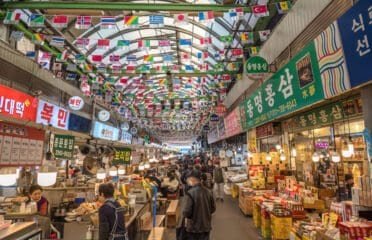
Gwangjang Market is famous for food stalls and an old-market feel. Go hungry. Go curious. Don’t stress about finding the “best stall.” Try something, then try something else.
DMZ tours add historical context, especially if you want to understand modern Korea beyond pop culture. These require advance booking and passport checks, and they’re not a casual spontaneous afternoon. But it can be powerful.
Top Restaurants to Try in Seoul
Seoul’s restaurant scene is endless. This list is a mix of famous classics, reliable crowd favorites, and places that represent “how Seoul eats.” Some will have lines. That’s normal here.
Tosokchon Samgyetang (near Gyeongbokgung) is known for samgyetang, ginseng chicken soup. Traditional, hearty, the kind of meal that feels like restoration after a cold walk.
Myeongdong Kyoja is famous for kalguksu (knife-cut noodles) and dumplings. Service is fast. Turnover is fast. You eat, you leave, you’re satisfied.
Maple Tree House offers high-quality Korean barbecue in a polished setting. It’s a comfortable option if you want a cleaner “first barbecue” experience without feeling lost.
Jinmi Sikdang is known for ganjang gejang (raw crab marinated in soy sauce). Strong flavor, briny, rich. Not a beginner dish for everyone. But if you like seafood and bold taste, it’s memorable.
Gwangjang Market stalls deserve “restaurant” status here. Try bindaetteok (mung bean pancakes), mayak gimbap, and noodles. Go with a small appetite at first. You’ll add more.
Hanilkwan is a more classic, refined Korean dining option with a long-standing reputation. Good for a calmer meal when you want “traditional” without the chaos of a market.
Hongdae area barbecue and fried chicken spots are a category on their own. Some are touristy. Some are perfect. Follow crowds, follow smell, follow your patience level.
Modern Korean fine dining exists too—places like Mingles are internationally recognized and reservations can be tough. If you want that level of meal, plan it early and treat it like an event.
One honest note: Seoul dining can be direct. Staff might not do the warm small-talk thing. It’s not personal. It’s speed and efficiency, plus a cultural difference in service style.









 Rate it or leave a comment!




 Own or work here?