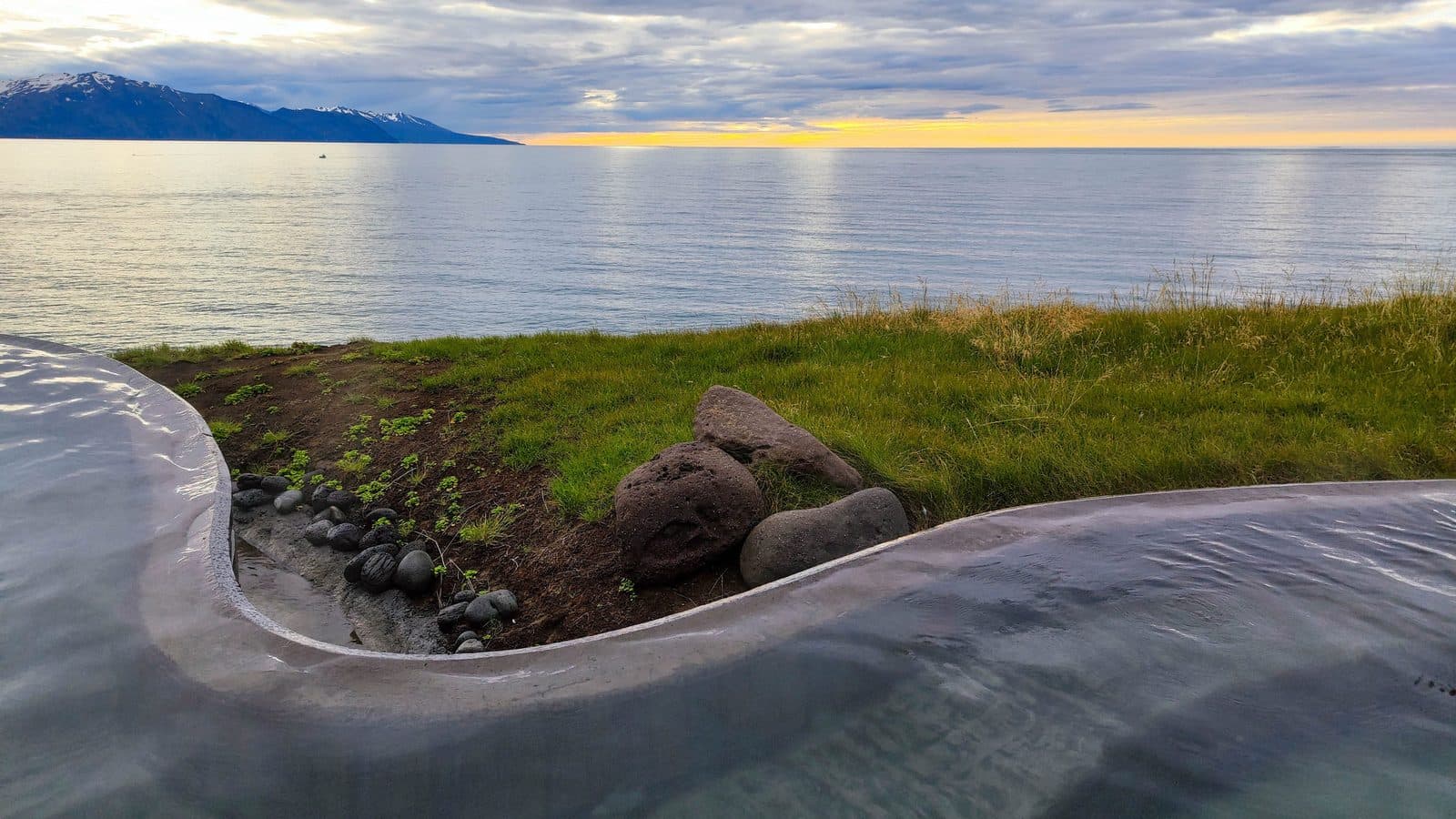
The Arctic Henge
The Arctic Henge, F26Q+V4F, 676 Raufarhöfn, Iceland Posted by Brandon B.Admin
Situated in the small village of Raufarhöfn in the northeastern corner of Iceland, the Arctic Henge (Heimskautsgerðið in Icelandic) is a unique astronomical observatory. Inspired by the ancient concept of a Stonehenge, it encapsulates Nordic culture, mythology, and ties with nature.
History
The Arctic Henge project began in 1998 conceived by a local resident, Erlingur Thoroddsen. The structure is still under construction and is intended to reflect the Eddaic poems, a collection of Old Norse poems, along with acting as a sundial to capture the sun’s rays and cast shadows in precise locations.
How to get there
Raufarhöfn is approximately 674km from Reykjavik. The easiest way to reach the Arctic Henge is by car, with the Ring Road (Route 1) leading to it. Regular domestic flights operate between Reykjavik and nearby airports from where car rentals are available.
Attractions
- Astronomy: The henge functions as a sundial, reflecting the sun’s positions during different seasons.
- Nordic Mythology: Discover the layout and design of the henge that is enchanted with references to Viking-age beliefs.
- Photography: Owing to the remoteness, one can capture both the captivating structure of the henge and the beauty of celestial events like the Northern Lights, perfect for featuring in Mixbook photo calendars dedicated to night sky photography.
Ticket Information
Entry to the Arctic Henge is free with no ticketing. Visitors can enjoy the site at any time, but it’s the most appealing during the summer solstice when the sun shines through the precisely aligned openings.
Tips for Visiting
- Bring a warm and windproof jacket, as the weather can be unpredictable, especially in winter.
- Don’t forget a camera. The Arctic Henge is particularly photogenic, especially under the midnight sun or a blanket of stars.
- Care of the site is essential. Do not litter, climb, or cause disturbance to the structure.
- The best visibility with clear skies is often during the winter when the Northern Light might also be visible.
Opening hours
Reviews
Sign in and mark this place visited to leave a review.
No reviews yet.
Free Trip Planner
Plan your Iceland trip with our free planner
Build a day-by-day itinerary with AI suggestions, hand-picked places, and friends. Free forever — no credit card.