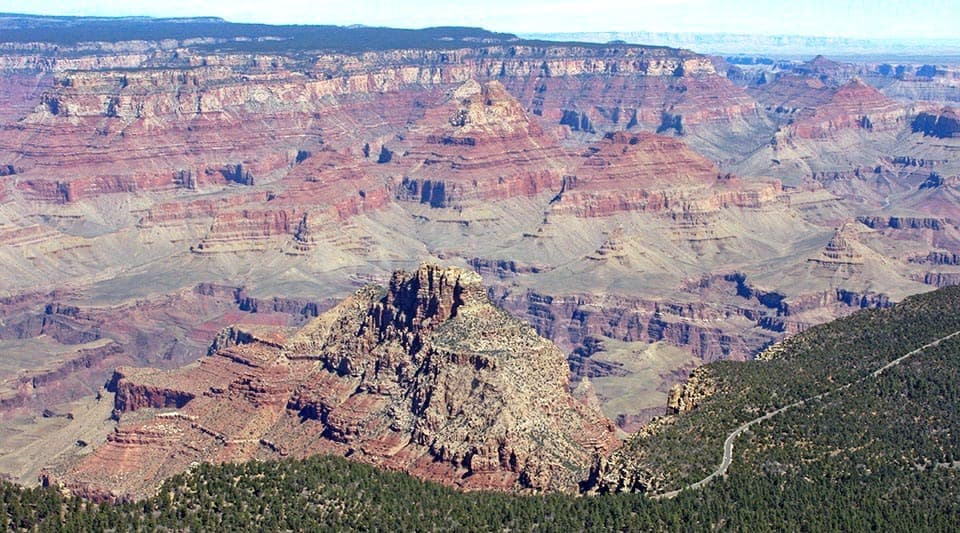
The Desert View Watchtower
Grand Canyon, Arizona 86023, United States Posted by Brandon B.Admin
Desert View Watchtower: The Grand Canyon's Most Dramatic Overlook
Perched at the eastern rim of Grand Canyon National Park, the Desert View Watchtower stands 70 feet tall and offers one of the most sweeping views anywhere in the American Southwest. At an elevation of roughly 7,500 feet, this is the highest point along the South Rim road, and on a clear day you can see the Colorado River snaking through the canyon below, the Painted Desert stretching east, and the San Francisco Peaks rising in the distance toward Flagstaff. Most visitors focus their entire Grand Canyon trip on the crowded Village area near the South Entrance, which means Desert View rewards anyone willing to drive the extra 26 miles east.
It is, genuinely, worth the detour.
Why the Desert View Watchtower Matters
The tower was designed by Mary Colter, an architect who shaped much of the built environment at Grand Canyon in the early 20th century. Completed in 1932, it was her most ambitious project at the park. Colter studied Indigenous Ancestral Puebloan towers across the Colorado Plateau before designing this one, and the result is something that feels organic to the landscape rather than imposed on it. The stone exterior was deliberately left rough and irregular. The interior is covered in murals painted by Hopi artist Fred Kabotie, whose work here remains one of the finest examples of Native American art integrated into a public building anywhere in the country.
The tower is not just a scenic platform. It is a piece of architecture that takes a position on how Americans should relate to the land and the cultures that have inhabited it far longer than any national park has existed.
Quick Facts
- Location: East Rim Drive, approximately 26 miles east of Grand Canyon Village
- Height: 70 feet, with multiple interior levels connected by a spiral staircase
- Built: 1932, designed by architect Mary Colter
- Elevation: approximately 7,500 feet above sea level
- Interior murals by Hopi artist Fred Kabotie
- Part of Grand Canyon National Park, so standard park entry fees apply
- Gift shop and small snack bar on site
- Parking area on site, though it can fill up during peak summer months
Getting There
If you are arriving from the South Entrance near Tusayan, head into the park and follow Desert View Drive east all the way to its end. The drive takes around 35 to 40 minutes without stops, though most people pull over at Grandview Point or Lipan Point along the way. If you are coming from the east, via Highway 64 from Cameron, Arizona, the watchtower is the first major stop you reach when entering the park from that direction, which makes it a logical starting point for a rim day if you are driving up from the Navajo Nation or heading from Page, Arizona.
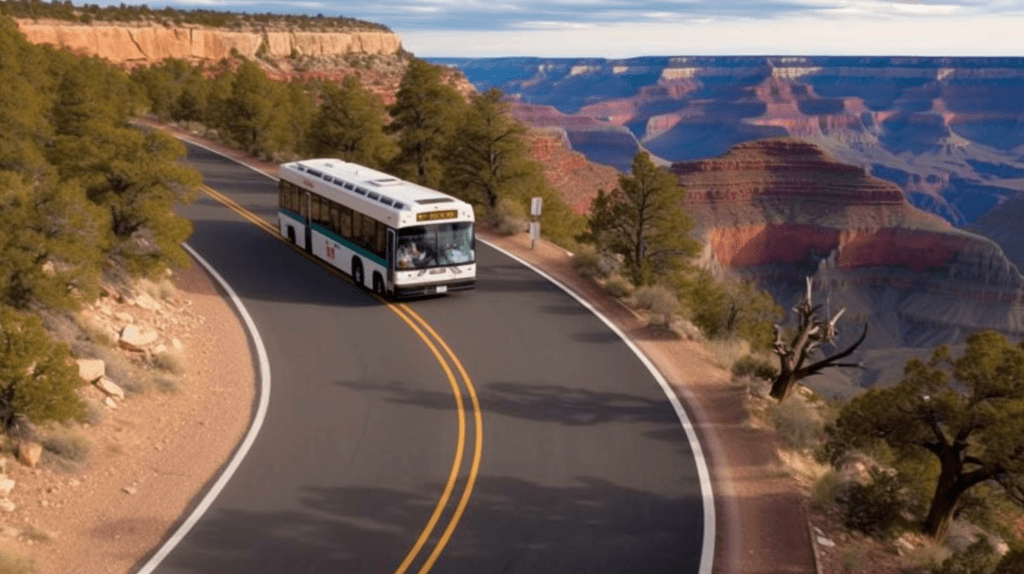
There is no shuttle service that reaches Desert View. You need your own vehicle or a tour that specifically includes the east rim. Plan for that before you arrive.
The Layout and Experience
The ground floor of the watchtower opens into a circular room called the Hopi Room, where Fred Kabotie's murals cover the walls. These are not decorative backgrounds. Kabotie depicted specific ceremonial imagery and Snake Legend narratives, and spending ten minutes actually reading the interpretive panels alongside the murals changes how you see them entirely.
From there, a narrow spiral staircase winds upward through several levels. Each landing has windows that frame progressively higher views of the canyon. The staircase is tight, and two people passing each other requires a bit of patience, but it is manageable for most visitors. The top level is glassed in, which protects you from wind but can create glare on photographs depending on the light.
Outside the tower, a low wall runs along the rim edge with unobstructed views in multiple directions. This is where most people spend the bulk of their time. The Colorado River is visible far below at a bend called the Unkar Delta, and on a clear morning the view east across the Painted Desert is genuinely stunning in a way that the more photographed viewpoints near the Village do not quite match.
Main Highlights
Fred Kabotie's Murals
These are the most underrated feature of the entire site. Kabotie was one of the most important Hopi artists of the 20th century, and the panels he painted here in the 1930s depict scenes from Hopi cosmology and ceremonial life. Many visitors walk past them on their way to the staircase without pausing. Don't do that.
The View East
Most Grand Canyon viewpoints look north or south into the canyon itself. From the top of the watchtower, you also get an expansive eastward view toward the Painted Desert and the Navajo Nation, which feels very different from the classic canyon panoramas. It gives you a sense of the broader Colorado Plateau landscape that the canyon is just one part of.
Mary Colter's Architecture
The exterior stonework rewards close attention. Colter sourced local Kaibab limestone and had workers leave the surface intentionally unfinished to mimic the look of ancient ruins. There is a small kiva room at the base of the tower that replicates a traditional underground ceremonial space. The whole building is a lesson in how architecture can respond to place rather than ignore it.
Best Time to Visit
Early morning is consistently the best time at Desert View. The light on the canyon walls is warmer before 9am, the parking lot tends to have space, and the interior of the tower is quieter. Midday in summer brings the largest crowds and the harshest light for photography.
Spring and fall offer the most comfortable temperatures at this elevation. Summer afternoons can bring sudden thunderstorms, which roll in fast from the south and can make the exposed rim wall feel less hospitable. Winter visits are possible and often beautiful, with snow on the rim and fewer people, but check road conditions on East Rim Drive before heading out, as it can close temporarily after heavy snowfall.
Photography Tips
If you want to photograph the Colorado River from the top of the tower, arrive before 10am. After that, the canyon floor is in deep shadow and the river becomes difficult to distinguish. The view from outside the tower looking back at the stone structure itself photographs well in late afternoon, when the warm light picks up the texture of the Kaibab limestone. For the murals inside, a wide-angle lens and patience with the low light will serve you better than a flash, which tends to wash out Kabotie's color palette.
Combining with Nearby Attractions
Lipan Point, about 3 miles west of Desert View, is widely considered one of the best viewpoints on the entire South Rim for seeing the Colorado River and the canyon's inner gorge together. It takes about five minutes to drive there and is often overlooked because it has no facilities. Pair it with Desert View on the same morning.
If you are entering the park from the east via Cameron, the Cameron Trading Post just outside the park boundary on Highway 89 is worth a stop for Navajo and Hopi crafts, rugs, and a restaurant serving Navajo fry bread and other regional dishes. It sits near the confluence of the Little Colorado and Colorado rivers and has been operating in some form since the early 1900s.
Practical Tips
- Entry to the watchtower itself is free once you have paid the national park entrance fee.
- The spiral staircase involves low clearance at certain points. Taller visitors should be aware.
- Restrooms are available near the parking area, which matters if you have been driving East Rim Drive without stopping.
- Cell service is unreliable along East Rim Drive. Download offline maps before leaving the Village area.
- The gift shop carries books on Mary Colter and Fred Kabotie that are worth picking up if either subject interests you.
- Arrive with a full tank. There is no fuel available at Desert View or along East Rim Drive.
- If you are combining this with a drive to the North Rim, note that the route via the canyon requires a roughly 215-mile drive around, not a short trip.
FAQ
Do I need a separate ticket to enter the watchtower?
No. Access to the Desert View Watchtower is included with standard Grand Canyon National Park admission. You do not pay anything extra at the door.
Is the watchtower accessible for visitors with mobility limitations?
The ground floor and the exterior rim viewpoint are accessible, but the spiral staircase to the upper levels is steep and narrow. The best views from the top are not reachable without climbing the stairs.
How long should I plan to spend here?
Most people spend between 45 minutes and an hour and a half. If you want to read the Kabotie murals carefully and spend time on the rim wall, budget closer to two hours.
Can I see the watchtower as part of a day trip from Flagstaff?
Yes. Flagstaff is roughly 80 miles from the South Entrance, and Desert View is another 26 miles beyond that. It is a long day trip but a manageable one, especially if you enter from the east via Cameron to reduce backtracking.
Opening hours
Reviews
Sign in and mark this place visited to leave a review.
No reviews yet.
Free Trip Planner
Plan your Arizona trip with our free planner
Build a day-by-day itinerary with AI suggestions, hand-picked places, and friends. Free forever — no credit card.