





Ask frequent travelers what part of a journey they find most exhausting, and many won’t say the flight — they’ll say the airport.
Airports are dynamic environments. They combine logistics, security procedures, crowds, time pressure, and constant announcements. For inexperienced travelers, this can feel chaotic. For seasoned ones, however, it’s simply a system — one that can be navigated smoothly with the right approach.
The difference between airport stress and airport ease isn’t luck. It’s preparation and strategy.
Airports Are Travel Ecosystems
Modern international airports operate like complex transit cities. Multiple terminals, layered security systems, immigration zones, lounges, transfer desks, baggage flows — everything is interconnected.
Understanding this structure changes how you move.
Large hubs such as Dubai, London, Paris, or Istanbul can require significant walking time between gates. Some international transfers involve re-screening or immigration clearance. Others require shuttle trains between terminals.
Knowing this in advance prevents rushed decisions and unnecessary anxiety.
Preparation Begins Before Departure Day
A smooth airport experience starts long before you enter the terminal.
Study the Airport Layout
Review:
- Terminal maps
- Airline check-in zones
- Distance between arrival and departure areas
- Immigration flow for connections
Many travelers underestimate how long internal airport transfers can take. In reality, a 45-minute connection may be unrealistic in certain hubs.
Understand Peak Traffic Patterns
Early mornings and late evenings are often busiest for international departures. Business-heavy routes create congestion in premium check-in areas and security lanes.
Arriving three hours before an international flight isn’t just a guideline — it’s a buffer against unpredictable bottlenecks.
Mastering Security and Immigration
Security screening is less stressful when you treat it like a system instead of an obstacle.
- Keep electronics easily accessible
- Avoid overpacking carry-on liquids
- Wear travel-friendly clothing
- Keep passport and boarding documents consistently stored
Confidence at checkpoints often comes from familiarity. When you anticipate each step, you move naturally and efficiently.
The Overlooked Factor: Airport Navigation Support
As airports expand, navigation becomes more complex — especially for first-time visitors, families, elderly travelers, or business passengers on tight schedules.
In major international hubs, structured airport assistance services have become increasingly common. These services typically include professional meet-and-greet support, expedited navigation through check-in and security, and guidance through immigration and transfer processes.
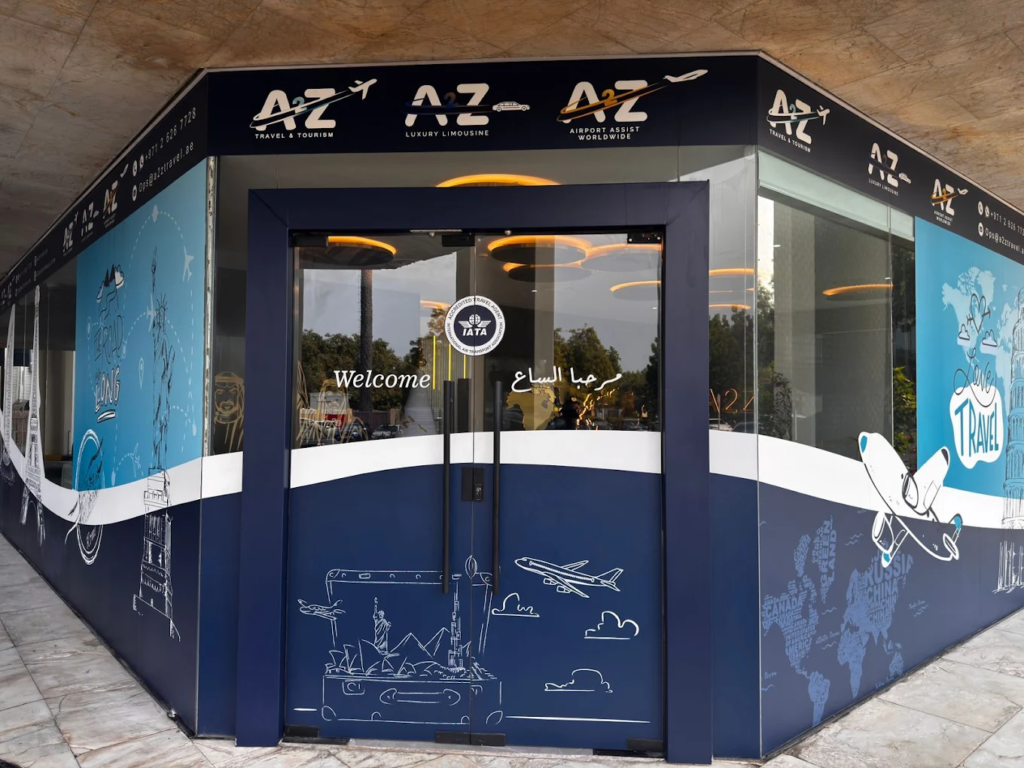
For travelers unfamiliar with how these systems work globally, platforms such as airport assistance services provided by A2Z Airport Assist explain how coordinated meet-and-greet support functions across multiple international airports — helping passengers move efficiently through large terminals without confusion.
The purpose isn’t luxury. It’s clarity and time management.
When connections are tight or airports unfamiliar, structured assistance can reduce uncertainty significantly.
Making Long Layovers Productive
A long layover can feel draining — or restorative.
The difference depends on how you use it.
Many major airports now offer:
- Shower facilities
- Quiet rest areas
- Premium lounges with workspace
- Wellness zones
- Cultural exhibits
If your layover exceeds five hours, research whether short city excursions are feasible under local visa regulations. Some airports are directly connected to city centers via express trains, making brief exploration realistic.
The key is planning ahead — not improvising under time pressure.
Psychological Calm in Transit
Travel stress rarely comes from actual danger. It comes from unpredictability.
You reduce stress dramatically when you:
- Understand terminal structure
- Budget extra time
- Monitor real-time flight updates
- Know where to seek assistance if needed
Experienced travelers often appear relaxed not because their journeys are perfect — but because they anticipate friction points in advance.
Preparation converts uncertainty into control.
When Extra Planning Makes the Difference
Certain travel situations justify a higher level of logistical planning:
- Multi-leg international itineraries
- Large family groups
- Senior travelers
- High-profile business schedules
- Airports known for heavy passenger traffic
In these cases, thinking strategically about airport flow — from curbside arrival to boarding gate — transforms the entire journey.
Air travel itself may be standardized, but airport navigation is highly variable. The more complex the hub, the more valuable structured planning becomes.
The Modern Traveler’s Perspective
Travel has evolved. So have airports.
They are no longer simple waiting areas. They are complex transition environments that require awareness, timing, and smart movement.
A calm airport experience doesn’t happen by accident. It happens when you:
- Arrive informed
- Move deliberately
- Anticipate checkpoints
- Understand available resources
When that happens, the airport stops feeling like an obstacle — and becomes a seamless gateway to your destination.
And when the first stage of the journey flows smoothly, everything that follows feels lighter.
