




The Sistine Chapel: How to Visit One of the Most Important Rooms on Earth
The Sistine Chapel is not just a highlight of Rome. It’s not even just a highlight of Italy. It’s one of the most important cultural spaces on the planet. This single room holds some of the most famous artwork ever created, including Michelangelo’s ceiling and The Last Judgment. It’s a place people dream about for years, then finally stand inside and go completely silent.
If you’ve ever seen photos of God reaching toward Adam, or crowds staring straight up with sore necks, that’s here. But seeing it in person is a totally different experience. The scale, the color, the detail, and the weight of history all hit at once.
This guide covers everything you actually need to know: what it is, how to visit, ticket prices, opening hours, what you’re looking at, how to avoid rookie mistakes, and how to enjoy it without feeling rushed or overwhelmed.
What the Sistine Chapel Is (And Why It Matters)
The Sistine Chapel is part of the Vatican Museums and sits inside Vatican City. It was built in the late 1400s and named after Pope Sixtus IV. From the outside, it’s pretty plain. Inside, it’s overwhelming in the best way possible.
This chapel is famous for two main reasons:
- The ceiling frescoes painted by Michelangelo between 1508 and 1512
- The Last Judgment painted on the altar wall by Michelangelo between 1536 and 1541
On top of that, the walls are covered with frescoes by some of the most important artists of the Renaissance. This is not just one masterpiece. It’s dozens of them, all in one space.
It’s also an active religious site. This is where the papal conclave happens, meaning this is the room where new popes are elected. So yes, this room still matters today.
Where the Sistine Chapel Is Located
The Sistine Chapel is located inside the Vatican Museums, which are inside Vatican City. You do not enter the Sistine Chapel directly from outside. You reach it only after walking through a large portion of the museum complex.
Plan for this. Visiting the Sistine Chapel is not a quick in-and-out situation. You walk through galleries, corridors, and rooms before you reach it, and the same applies when you leave.
Tickets and Entry Info (Prices Included)
You cannot visit the Sistine Chapel on its own. Entry is included with a ticket to the Vatican Museums.
Here are the standard ticket prices most visitors will see:
- €17 standard adult Vatican Museums ticket
- €8 reduced ticket for students and young visitors (with valid ID)
- Free for children under 6
On top of the base ticket, there is usually a small online reservation fee when booking in advance. This is worth it. Standing in line without a reservation can take hours during busy seasons.
Important: The Sistine Chapel is included automatically with museum entry. There is no separate Sistine Chapel ticket.
Opening Hours
The Vatican Museums, including the Sistine Chapel, generally follow this schedule:
- Monday to Saturday: 9:00 am to 6:00 pm
- Last entry: usually around 4:00 pm
The museums are typically closed on Sundays, except for the last Sunday of each month, when entry is free and hours are limited. These free Sundays are extremely crowded.
Hours can change around holidays and special events, so it’s smart to confirm times close to your visit date.
How Long the Visit Takes (Be Realistic)
Even if the Sistine Chapel is your main goal, you will spend time getting there. Here’s a realistic breakdown:
- Vatican Museums overall: 2 to 3 hours minimum
- Time inside the Sistine Chapel itself: 15 to 30 minutes (or longer if it’s not packed)
Yes, you can technically rush through, but that defeats the point. This is one of those places where slowing down pays off.
What You’re Looking At Inside
Once you step into the Sistine Chapel, the noise drops, guards tell people to be quiet, and everyone’s neck tilts upward. Here’s how to make sense of what you’re seeing.
The Ceiling
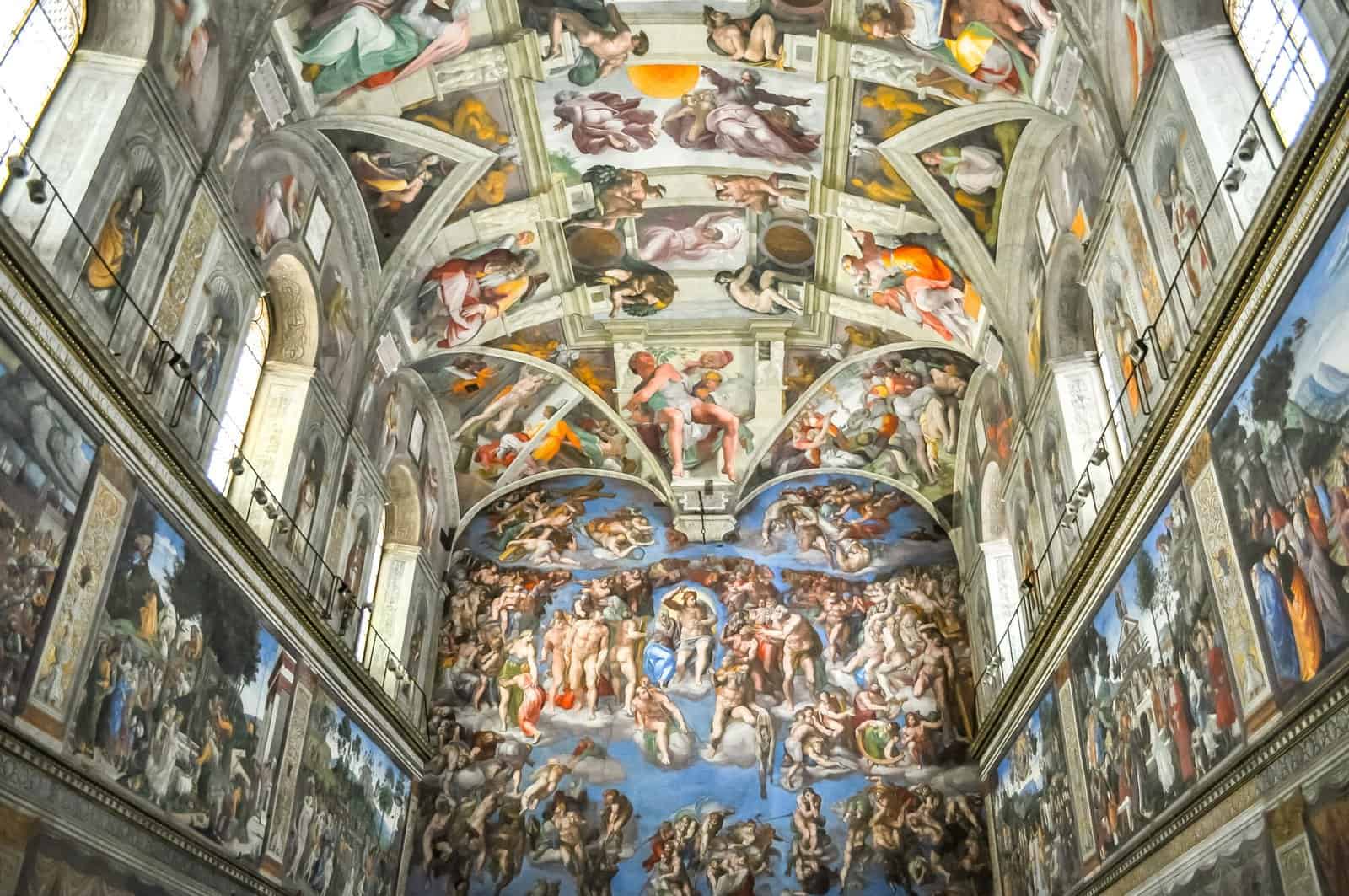
The ceiling is divided into sections that tell stories from the Book of Genesis. The most famous scene is The Creation of Adam, with God and Adam reaching toward each other. But that’s just one panel.
The ceiling also includes:
- Scenes from the creation of the world
- Stories of Adam and Eve
- Prophets and sibyls framing the scenes
- Architectural illusion that makes everything feel structured and massive
Michelangelo painted this while working on scaffolding, mostly lying on his back. He wasn’t primarily a painter. He considered himself a sculptor. That makes the achievement even crazier.
The Last Judgment
The entire altar wall is covered by The Last Judgment. This was painted decades after the ceiling and shows a very different Michelangelo. The figures are intense, muscular, dramatic, and emotional.
This fresco shows souls rising and falling, judgment being passed, and chaos and movement everywhere. It caused controversy when it was revealed, mostly due to the amount of nudity. Some figures were later painted over for modesty.
The Side Walls
The side walls show scenes from the lives of Moses and Christ, painted by other Renaissance masters. These are often overlooked because people focus on the ceiling, but they are worth your time if the room isn’t too crowded.
Rules Inside the Sistine Chapel (Yes, They Matter)
This is not a casual museum room. There are strict rules:
- No photos or videos
- No talking (guards will shush you)
- Modest dress required (covered shoulders and knees)
Guards actively enforce these rules. If you want photos, take them in your memory. Honestly, it’s better that way.
Dress Code (Don’t Get Turned Away)
The Vatican enforces a dress code for religious sites. To be safe:
- Cover shoulders
- Cover knees
- Avoid tank tops, short shorts, and mini skirts
If you’re visiting in summer, bring a light scarf or shirt you can throw on. Getting denied entry over clothing is a brutal way to start the day.
Best Time to Visit (Crowds Matter Here)
The Sistine Chapel is almost always crowded, but timing helps.
- Best time: Early morning right after opening
- Worst time: Late morning to early afternoon
- Quietest days: Midweek, outside peak tourist months
Free Sundays are tempting, but they are packed wall-to-wall. If you value space and sanity, pay for the ticket.
Guided Tour or Self-Guided?
You can visit on your own, but context matters here. A guided tour or audio guide helps connect the dots.
- Self-guided: Good if you already know the art or want to move freely
- Audio guide: A solid middle option for understanding what you’re seeing
- Guided tour: Best if you want stories, details, and historical context
Some tours offer early entry before the general public. These cost more but are worth it if you want a calmer experience.
Common Mistakes to Avoid
- Showing up without a reservation
- Wearing the wrong clothes
- Rushing through the museum just to “check it off”
- Ignoring the side walls and focusing only on one ceiling panel
- Expecting silence when it’s peak season
What It Feels Like to Be There
This is not a place where you snap a photo and move on. When it’s not overly crowded, the Sistine Chapel has a heavy, quiet energy. People sit on benches, look up, and just stare. It’s one of the rare tourist spots where even the most distracted visitors slow down.
You might leave with a stiff neck and tired legs, but you’ll also leave knowing you stood inside a room that changed art history forever.
Pairing the Sistine Chapel With Other Stops
Many visitors combine the Vatican Museums with other nearby sights:
- St. Peter’s Basilica (often accessible directly after the chapel with certain tours)
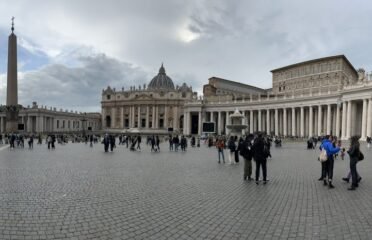
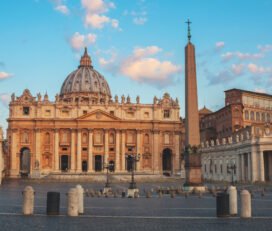
- St. Peter’s Square
- A long lunch break in the Prati neighborhood
Don’t overpack the day. The museums alone are mentally and physically tiring.
Final Thoughts
The Sistine Chapel is one of those places that lives up to the hype. It’s crowded, controlled, and intense, but it’s also unforgettable. The scale, the artistry, and the history all land at once.
Book ahead, dress properly, go early if you can, and give yourself time. This is not just a stop on a checklist. It’s one of the most important artistic spaces humans have ever created. And yeah, it’s absolutely worth it.
 Rate it or leave a comment!


 Own or work here?