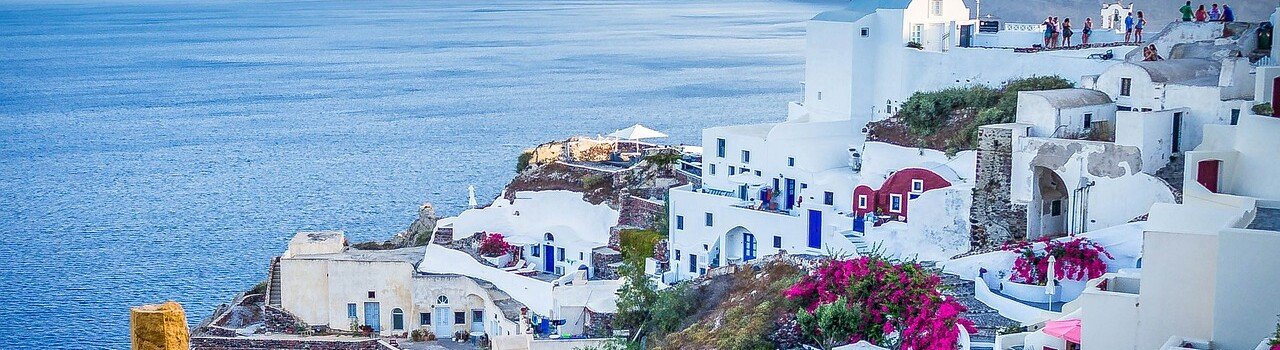






Daphni Monastery Travel Overview
The Daphni Monastery, recognized as a UNESCO World Heritage Site, is an essential stop for those fascinated by Byzantine architecture and history. Situated on the western edge of Athens, this 11th-century monastery provides a remarkable insight into the past.
Overview
This small yet historically significant religious site has been remarkably preserved. Its exquisite mosaics and detailed architecture make it a gem for both history buffs and art aficionados. Despite being close to the vibrant city of Athens, the monastery remains relatively undiscovered, offering a tranquil and culturally enriching experience for visitors.
Historical Background
Constructed by the Byzantines in the 11th century, the Daphni Monastery was built on the ruins of an ancient Greek temple dedicated to Apollo Daphneos. The temple was destroyed during a Gothic invasion in 395 BC, leading to the establishment of the monastery on this historic site. Over the centuries, the monastery has seen various changes, including the addition of Gothic-style cloisters by the Cistercians in the 13th century. The site has also faced damage from earthquakes, particularly the significant restoration required after the 1999 earthquake.
Getting There
The Daphni Monastery is located in Haidari, approximately 9 kilometers from the Acropolis. Visitors can conveniently access the monastery via public transportation. Take the Metro to Agia Marina station, then switch to bus 866 or 876, which will take you directly to the monastery. Alternatively, a pleasant 30-minute walk from the station is also an option.
Attractions to Explore
- Catholicon: The main church of the monastery, known as the Catholicon, is the focal point of the visit. Its cross-in-square design with a grand dome exemplifies Byzantine architectural brilliance.
- Mosaics: The interior of the Catholicon features vibrant and intricate mosaics from the middle-Byzantine era, depicting biblical scenes and considered among the finest in Greece.
- Old Monks’ Cells: The old monks’ cells surrounding the courtyard to the south house small museum spaces displaying artifacts discovered on-site, including marble statues from the ancient temple and contemporary religious items.
- Auxiliary Structures: The remnants of auxiliary buildings to the north of the monastery contribute to the historical ambiance, although they offer limited insight into the site’s architecture.
Admission Details
The Daphni Monastery is open from Wednesday to Sunday, from 08:30 to 15:30. It remains closed on Mondays and Tuesdays, as well as on January 1, March 25, May 1, and December 25/26. Admission is free, making it an accessible and budget-friendly destination for travelers.
Visiting Tips
- Plan Ahead: Due to the limited operating hours, it’s important to plan your visit to ensure you can explore the monastery during its open times.
- Admire the Mosaics: The mosaics are the highlight of the Daphni Monastery. Take your time to appreciate each one and how they collectively contribute to the site’s beauty.
- Utilize Public Transport: Public transportation is a convenient option. The Metro and bus services make it easy to reach the monastery without needing a car.
- Respect the Site: As a historical site, it’s vital to respect the architecture and artifacts. Avoid touching or damaging any part of the monastery.
- Combine with Nearby Attractions: While the Daphni Monastery is a worthwhile visit on its own, consider pairing it with other nearby sites, such as the Acropolis, for a more comprehensive experience.
The Daphni Monastery presents a unique combination of history, architecture, and art, making it a crucial destination for anyone eager to delve into Greece’s rich cultural legacy.
 Rate it or leave a comment!
 Rate it or leave a comment!
 Own or work here?
Nearby Places to Eat and Drink See All


Nearby Places to See and Do See All


Panathenaic Stadium..
- Be the first one to rate!


Archaeological Site ..
- Be the first one to rate!