

France Travel Guide: Overview
France is home to the most beautiful and romantic cities in the
world. The architecture, the food, the amazing French culture, and the
country’s rich history make it very desirable for all sorts of
travelers. Traveling to France however, can be more expensive compared
to other European countries but the experience is definitely worth it
and there are of course ways around that!
Table of Contents
France Travel Guide: When to Visit
The best time to visit France is during the spring season, from April
to June, when the weather is perfect and the tourist attractions are
less crowded. The summer season, from late June to August, are the peak
months for tourists. Prices for accommodation during these times are
usually high and Eat and Drinks and museums are fully booked.
France Travel Guide: How to Get There
By Plane: Tourists outside Europe can reach France via plane through Paris – Charles de Gaulle International Airport. Most international airlines fly here. For those who are coming from a European destinations you may look at flying into Paris-Beauvais, which is located north of Paris but has lots of budget carriers or Paris Orly.
By Train: France is easily accessible via train
coming from other European countries. The main station is called Gare du
Nord and tickets can be purchased online here. There are also direct train services from London (St. Pancras Station) to Paris (Gare du Nord).
By Ferry: Traveling by boat is also possible and
there are ferries that operates from cities in the UK to France. The
Dover – Calais Ferry and the Dover to Dunkirk routes are popular.
France Travel Guide: Getting Around
The best way to get around France is via train. There are lots of
French cities that are connected by rail that can be reached in about 45
minutes to an hour. Although, some longer journeys could take 5-6 hours
by train. With so many budget carriers available it might be worht it
to fly. The train system in France however is one of the best in the
world.
Another option is to rent a car and hit the open road! Luckily, they
drive on the right side of the road so American drivers will feel mostly
at home while driving. There’s so many cool little towns to explore as
well.
France Travel Guide: Travel Tips
Do learn some simple French phrases. A simple phrase
like “Bonjour” would break the ice and would lighten the mood when
talking to the French. They take pride in their language and it would
make them really happy to know that you are at least trying to blend in.
Do bring extra cash when traveling. Most shops or vendors located along the streets accepts only cash. It’s better to be prepared.
Do get out of Paris and enjoy other cities. France
is a beautiful country with many beautiful sights. The medieval towns
outside the city, the castles, and the port cities are awe-inspiring.
Don’t expect ice in drinks. French people don’t really put ice in their drinks so if you need some ice, you should ask for it.
Don’t be afraid to walk around parks. Visiting parks is underrated. They are free and offer magnificent sights.
Don’t be afraid to go on a culinary tour. Explore
cafes and Eat and Drinks on streets and don’t be afraid to enter French
bars to explore. The food and the wine are great and just to be able to
get a glimpse of local French culture is really a fascinating
experience. France is also home to some the the most amazing Michelin
star Eat and Drinks and chefs in the world.
France Travel Guide: Typical Costs
Price Range for Hotels
France is a fairly expensive country but there are some value hotels
that can be found. Price of accommodation in Paris of course is going to
be higher that in other cities. During peak season, prices of hostel
dorms start at around €15. In Paris, its very difficult to find a budget
hostel for less than €30. Mid-range hotels in most of France cost about
€100-175. Luxury hotels will be over €300 easy. Booking online a good
amount of time before your trip to get the best price. Most sites have
generous cancellation policies. Renting apartment can also be cheaper
than booking hotels especially if you have a group of people or it’s
during peak season.
Cost of Meal
Meals in most tourist areas in all of France is going to be generally
more expensive like most places. Getting off the beaten path is the
best bet to find good prices of food and honestly better quality. A
breakfast composed of croissant and coffee is cost about €3. A budget
lunch however can range around €6 to €20. A dinner with beer or wine, a
meal for one person usually costs about €20 in Paris and around €17 up
in other cities. If you want to dine in a Michelin or fine dining expect
to pay closed to €150-200 a person.
Bordeaux


Photographs
Where to Go in Paris
All of these landmarks are in Paris, so they suit the three or four days the guide suggests for the city. Sainte-Chapelle and Notre-Dame sit close together on the Île de la Cité and pair well in one outing. The Louvre and Musée d'Orsay face each other across the Seine, and each can fill a half day on its own.
Eiffel Tower rises above the 7th arrondissement and is visible from almost anywhere in the city. It is worth standing right underneath it to look up through the iron lattice.
Louvre Museum is the world's largest art museum, set in a former royal palace on the right bank of the Seine with roughly 38,000 objects on display. Pick a few wings rather than trying to see everything.
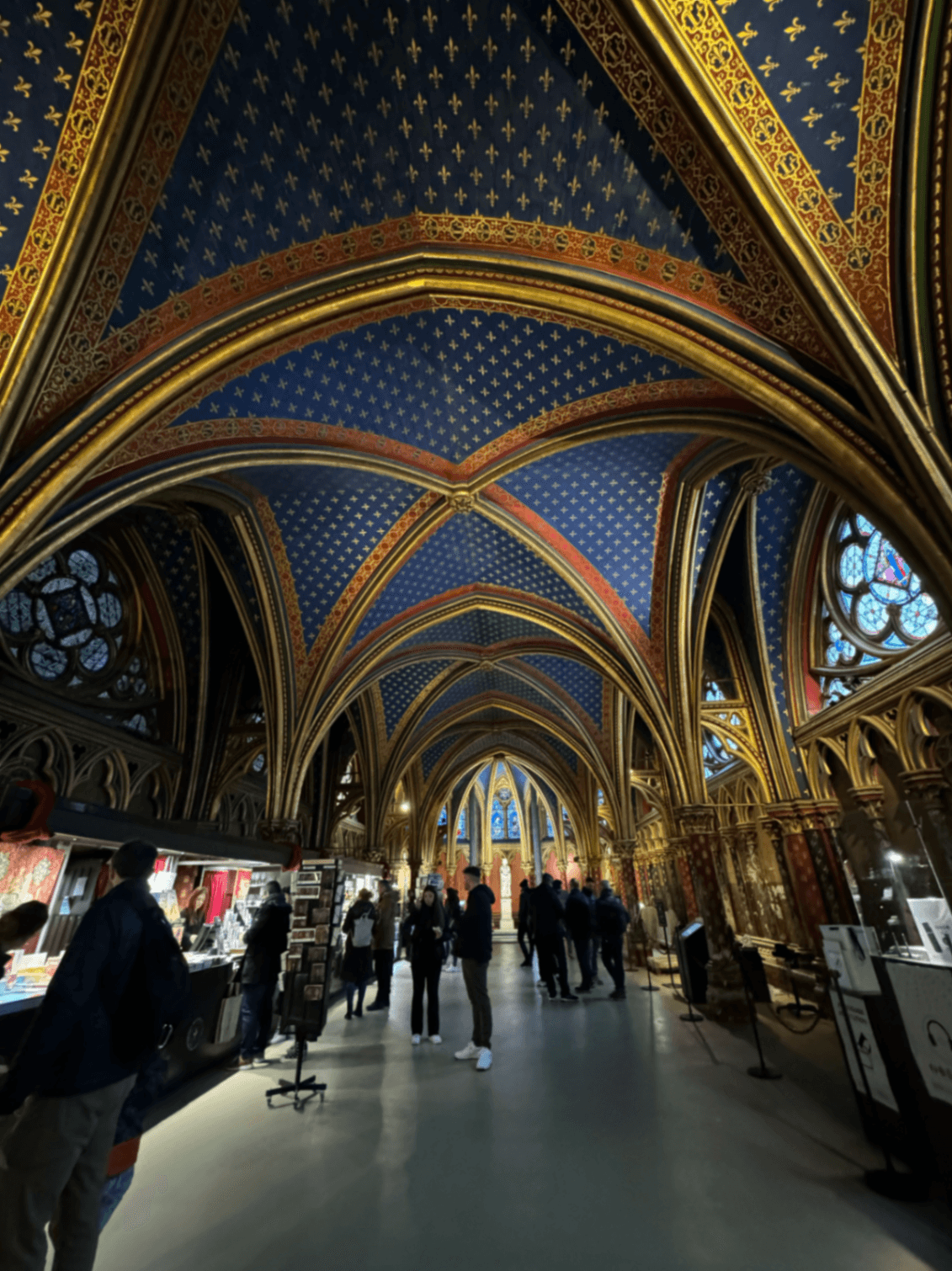
Sainte-Chapelle is a Gothic royal chapel built in the 1240s inside the old Palais de la Cité. Louis IX commissioned it, and it is an easy stop alongside Notre-Dame.
Cathedrale Notre-Dame de Paris is a medieval Gothic masterpiece in the heart of the city. Admission to the cathedral is free, though some areas may charge a fee.
Musee d’Orsay occupies a former railway station and holds a superb Impressionist and Post-Impressionist collection. General admission is €14 for adults and free for under 18s, so it suits a more focused museum day than the Louvre.
Arc de Triomphe stands at the western end of the Champs-Élysées. It is worth a stop if you are already walking the avenue, and tickets can be bought on site or online.
Basilique du Sacre-Coeur de Montmartre crowns Montmartre at the highest point in the city, so the views over Paris are the main draw. Pair it with a wander through the neighborhood's streets.
FAQ
How many days do you need in France?
Plan at least a week for a first trip to France, with three or four days in Paris and the rest for one or two other regions. Trains between many cities take around an hour, but some journeys run five to six hours, so fewer bases means less time in transit. Two weeks suits a slower pace.
Is France safe for tourists?
Yes, France is generally safe for tourists, and most visits pass without trouble. The most common problem is petty theft, especially pickpocketing around crowded sights, stations and metro lines in Paris. Keep bags zipped and phones out of back pockets, and check your government's current travel advice before you go.
Do people speak English in France?
Many people in Paris and other tourist areas speak at least some English, but you shouldn't count on it everywhere, especially in smaller towns. Starting with a friendly Bonjour and a few French phrases goes a long way, since locals take pride in their language and appreciate the effort.
Do you need a car in France?
No, you don't need a car to visit France's main cities, because the rail network is one of the best in the world. A car becomes useful if you want to reach small villages, castles and countryside that trains serve poorly. Cars drive on the right, which suits American drivers.
Is Versailles worth a day trip from Paris?
Yes, Versailles is one of the most popular day trips from Paris and easy to reach by public transport. Its palace and gardens can fill most of a day. Book tickets ahead where possible, and confirm opening days and hours before you go, since they vary by season.
Is France worth visiting beyond Paris?
Yes, France rewards trips outside Paris. Regions like Normandy, Provence, Burgundy, Bordeaux, Champagne and Corsica offer medieval towns, castles, markets, wine and port cities. Food prices are often lower and quality better away from the busiest tourist areas, so mixing Paris with one or two other regions is a smart plan.
France on the map
80 places from this guide. Tap a pin to open the listing.
Top Places to Visit in France
View all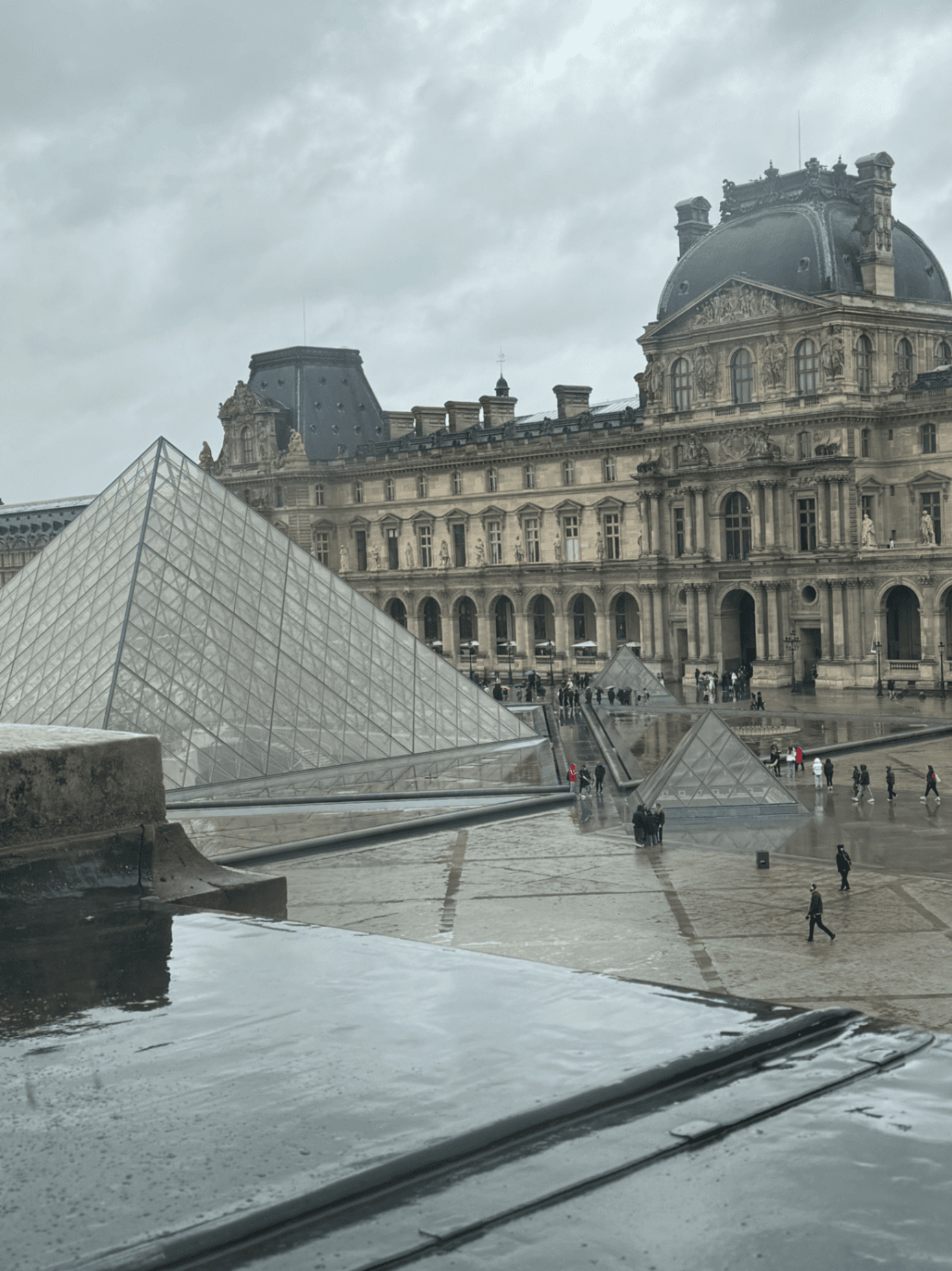 See & Do
 See & Do
Sainte-Chapelle
 See & Do
Arc de Triomphe
 See & Do
 See & Do
Cathedrale Notre-Dame de Paris
 See & Do
Basilique du Sacre-Coeur de Montmartre
 See & Do
Palais Garnier
 See & Do
Grand Canal – Versailles
Top Places to Eat in France
View all Eat & DrinkExpensive · $$$
 Eat & DrinkModerate · $$
 Eat & DrinkModerate · $$
 Eat & DrinkModerate · $$
La Tour Montlhéry – Chez Denise
 Eat & DrinkExpensive · $$$
 Eat & Drink
 Eat & DrinkModerate · $$
 Eat & DrinkModerate · $$