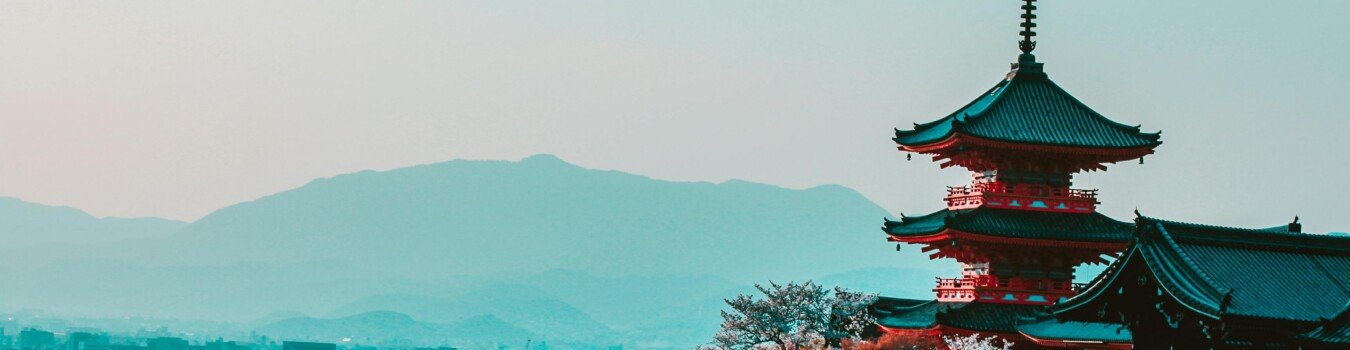






Horyuji Temple Travel Guide
Introduction
Horyuji Temple, situated in Ikaruga Town within Nara Prefecture, Japan, stands as one of the nation’s most ancient and culturally significant landmarks. Established in 607 by Prince Shotoku, it is famous for containing the oldest surviving wooden structures in the world. This temple complex is an essential destination for those fascinated by history, architecture, and Buddhism.
History
Founded during the Asuka period (538-710), Horyuji Temple has been instrumental in the introduction and dissemination of Buddhism throughout Japan. The temple’s primary structures, including the central gate (Chumon), main hall (Kondo), and five-story pagoda, were built during this era. These edifices have withstood the test of time for over 1,300 years, symbolizing Japan’s rich cultural legacy. In 1993, the temple was designated a UNESCO World Heritage Site, acknowledging its historical and architectural importance.
How to Get There
To visit Horyuji Temple, take the Yamatoji Line from JR Nara Station to Horyuji Station, which takes about 12 minutes. From there, the temple is a 20-minute walk or a 5-minute bus ride on local bus number 72. Alternatively, you can board bus number 98 from either JR or Kintetsu Nara Station to Horyuji-mae, which takes approximately one hour.
Attractions
- Western Precinct (Saiin Garan):
- Central Gate (Chumon): The oldest wooden gate globally, featuring Japan’s two oldest Kongo Rikishi statues.
- Main Hall (Kondo): Home to some of Japan’s earliest Buddha statues from the Asuka period.
- Five-Story Pagoda: The oldest five-story pagoda in Japan, reaching a height of 32.5 meters.
- Eastern Precinct (Toin Garan):
- Hall of Visions (Yumedono): Dedicated to Prince Shotoku, showcasing a life-sized statue of the prince surrounded by Buddha statues and various monks.
- Gallery of Temple Treasures: Displays a portion of the temple’s extensive art collection, including various Buddha statues and Buddhist relics.
- Chugu-ji Temple: A separate temple located just behind Horyuji’s Eastern Precinct, known for its intricately carved statue of a seated Buddha.
Ticket Information
The entrance fee for Horyuji Temple is ¥1,500 for adults and ¥750 for elementary and junior high school students. The temple operates from 9:00 AM to 5:00 PM from February 22 to November 3, and from 9:00 AM to 4:30 PM from November 4 to February 21. There are no days when the temple is closed.
Tips for Visiting
- Plan Your Visit: Set aside at least half a day to fully explore the temple grounds, as there is much to see and learn.
- Dress Modestly: Wear respectful attire, particularly when entering the main hall and other sacred areas.
- Respect the Environment: Avoid touching the ancient wooden structures or artifacts, as they are extremely delicate.
- Explore Both Precincts: Be sure to visit the Eastern Precinct for a unique insight into the temple’s history and architecture.
- Combine with Other Nara Attractions: Nara boasts several other significant cultural sites, such as Todaiji Temple and Kasuga Taisha Shrine. Consider pairing your visit to Horyuji with these attractions.
Horyuji Temple is a remarkable repository of Japanese history and architecture, providing a profound experience for anyone interested in Buddhism and cultural heritage.
 Rate it or leave a comment!
 Rate it or leave a comment!
  Open Now08:00 AM - 05:00 PM
- Monday08:00 AM - 05:00 PM
- Tuesday08:00 AM - 05:00 PM
- Wednesday08:00 AM - 05:00 PM
- Thursday08:00 AM - 05:00 PM
- Friday08:00 AM - 05:00 PM
- Saturday08:00 AM - 05:00 PM
- Sunday08:00 AM - 05:00 PM


 Own or work here?
Nearby Places to Eat and Drink See All





Nearby Places to See and Do See All