




Campanile Storto (Leaning Bell Tower) – Venice, Italy
Overview
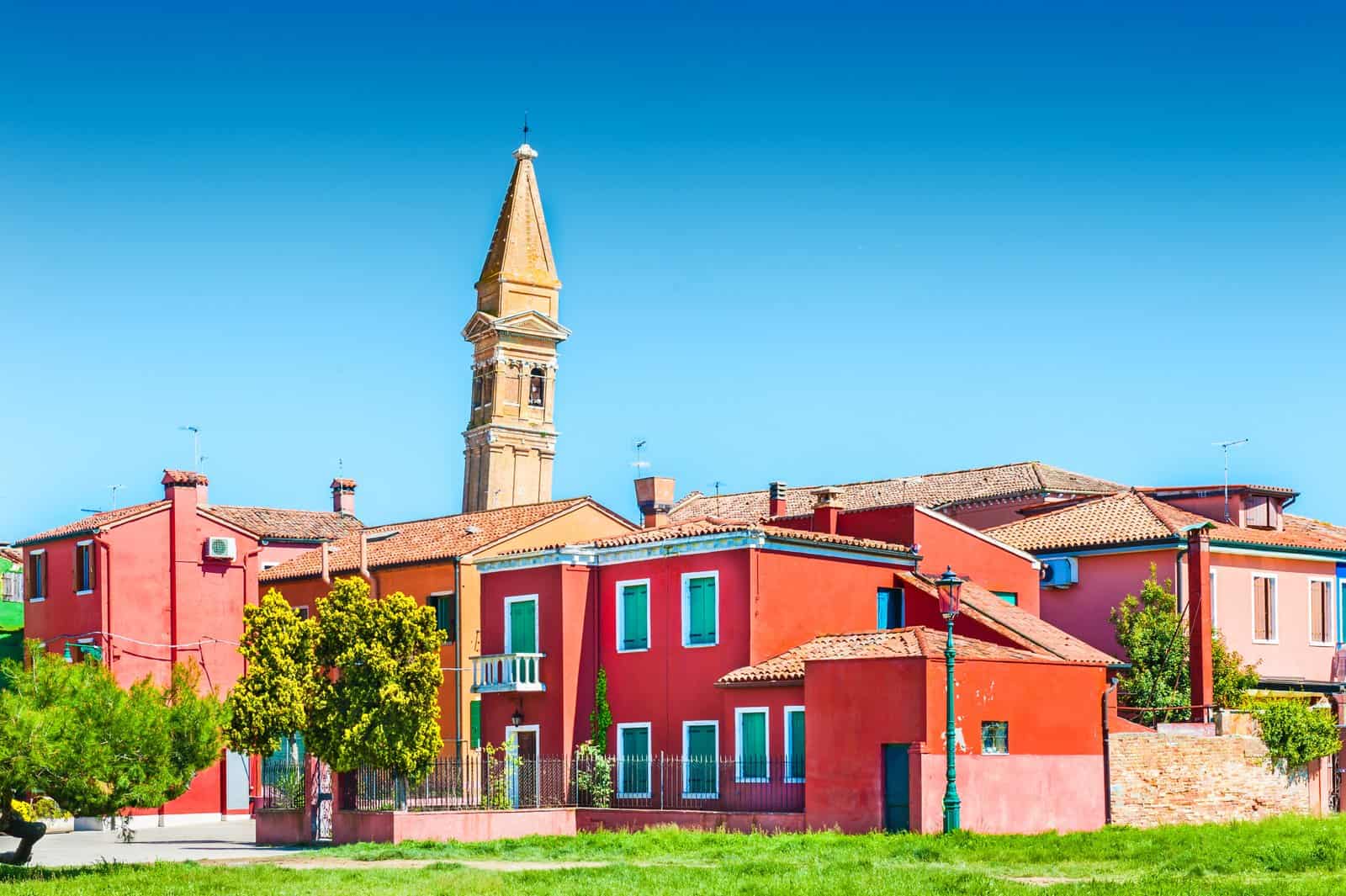
The Campanile Storto, meaning “Leaning Bell Tower,” is one of Venice’s lesser-known yet most fascinating architectural curiosities. Tucked away from the crowds near San Giorgio dei Greci in the Castello district, this medieval bell tower is famous for its pronounced tilt, which gives it a strikingly off-balance appearance. Unlike the iconic Campanile of St. Mark’s Square, the Campanile Storto feels intimate and local—an architectural oddity quietly embedded in Venice’s dense urban fabric. Its visible lean is not a tourist gimmick but the result of centuries of unstable foundations, making it a subtle but compelling reminder of Venice’s constant struggle against gravity, water, and time.
Why Visit
- See one of Venice’s most unusual and lesser-known leaning structures
- Explore a quieter neighborhood away from mass tourism
- Witness firsthand how Venice’s architecture adapts to unstable foundations
- Enjoy a quick but memorable stop during a walking exploration of Castello
- Photograph a genuine architectural anomaly with historical character
Highlights
- Noticeable Lean: The tower visibly tilts, especially apparent when viewed from nearby streets
- Medieval Brickwork: Original construction elements reveal centuries of weathering
- Quiet Setting: Located far from Venice’s busiest tourist corridors
- Urban Context: Closely surrounded by residential buildings, enhancing the sense of discovery
- Authenticity: No barriers, ticket booths, or staging—just real Venice
History & Architectural Significance
The Campanile Storto dates back to the medieval period, when bell towers served both religious and civic purposes throughout Venice. Like many Venetian structures, it was built on wooden piles driven into the lagoon’s soft sediment. Over time, uneven settling caused the tower to lean noticeably to one side. Unlike other leaning towers that have undergone major stabilization projects, the Campanile Storto has been allowed to remain largely as-is, monitored rather than dramatically altered. This approach reflects Venice’s broader philosophy of preservation—accepting imperfection as part of the city’s identity. The tower is often associated with nearby Greek Orthodox landmarks, reinforcing the area’s long-standing multicultural heritage.
Typical Costs & Access
There is no cost to visit or view the Campanile Storto. It is an exterior-only site and can be seen freely at any time of day. The tower is not open to the public for climbing, and there is no formal visitor center or signage on site. Most travelers encounter it naturally while walking through the Castello district or heading toward San Giorgio dei Greci. Because it is not a ticketed attraction, it works perfectly as a spontaneous stop rather than a planned destination.
Best Time to Visit
The Campanile Storto can be visited year-round, but it is best appreciated during early morning or late afternoon, when light and shadows emphasize the tower’s lean and surrounding textures. These quieter hours also allow you to experience the neighborhood without crowds. Because the tower is closely hemmed in by buildings, lighting changes dramatically throughout the day, making repeat visits rewarding for photographers.
Nearby Experiences
The tower is located near several culturally significant but often overlooked sites. Just steps away is the Church of San Giorgio dei Greci, one of the most important Greek Orthodox churches in Venice, which also has its own subtly leaning bell tower. Nearby, visitors can explore the Hellenic Institute of Byzantine and Post-Byzantine Studies and wander the quieter canals of Castello. A short walk leads to Campo Santa Maria Formosa and eventually toward St. Mark’s Square, offering a perfect transition from local Venice to iconic landmarks.
Travel Tips
- Look up—the lean is most noticeable when viewed from close range
- Combine this stop with San Giorgio dei Greci for architectural contrast
- Visit during off-peak hours for the most peaceful experience
- Respect the residential nature of the area
- Use it as part of a self-guided Castello walking route
Fun Facts & Local Notes
- Venice has multiple leaning bell towers due to unstable lagoon foundations
- The Campanile Storto’s lean has increased gradually over centuries
- Locals often pass it daily without noticing—visitors tend to spot it immediately
- Its nickname “Storto” reflects Venice’s candid, practical naming traditions
 Rate it or leave a comment!
 Rate it or leave a comment!
 Own or work here?
Nearby Places to Eat and Drink See All


Nearby Places to See and Do See All