Museo del Merletto
Piazza Galuppi 187, 30021 Burano Italy Posted by Brandon B.Admin
Lace, Light, and a Small Island That Takes Its Craft Seriously
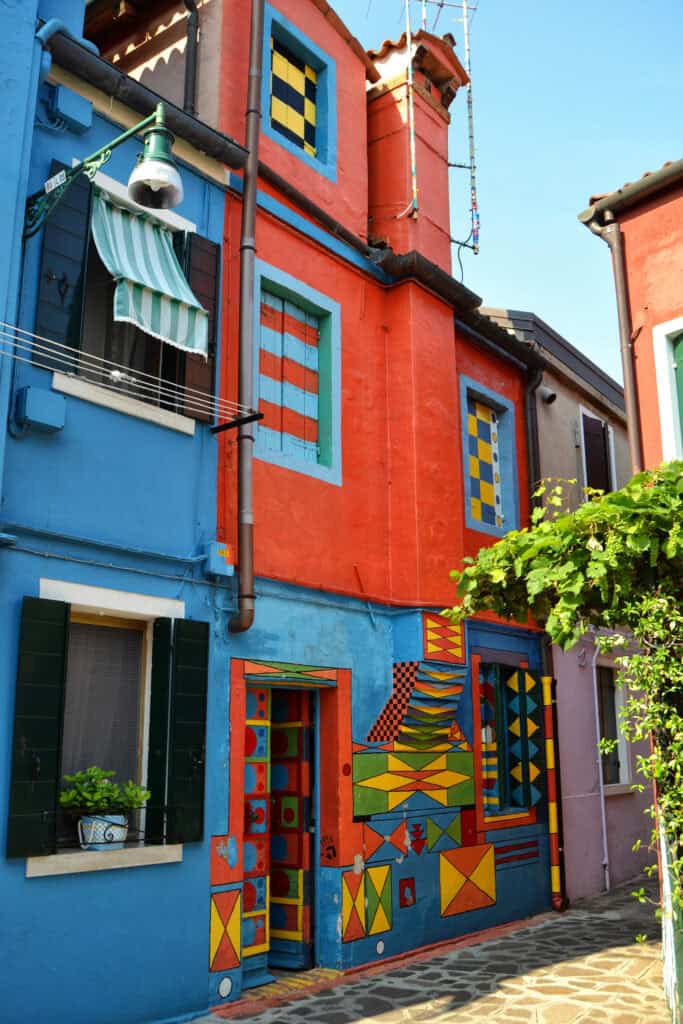
Burano is the kind of place that stops you mid-step. The painted houses alone could fill an afternoon. But tucked into Piazza Galuppi, the main square at the island's social center, the Museo del Merletto makes a quiet case that the most remarkable thing about Burano was never the color of the walls. It was always the lace.
The museum occupies a historic building that once served as the lace-making school founded in 1872, a direct response to the near-extinction of a craft that had defined the island for centuries. What you find inside is not a dusty archive. It is a working record of one of the most labor-intensive textile traditions in Europe, told through original pieces, tools, and the hands of women who still practice the technique today.
Why the Museo del Merletto Matters
Burano needle lace, known as merletto ad ago, is recognized as one of the most technically demanding forms of lacemaking in the world. A single piece can take hundreds of hours. The stitches are counted in the dozens per centimeter. When demand collapsed in the late 19th century, the craft nearly disappeared entirely. The school that later became this museum was the direct intervention that kept it alive.
That history gives the place real weight. You are not looking at decorative objects in a generic regional museum. You are looking at survival.
Quick Facts
- Address: Piazza Galuppi 187, Burano, Venice Lagoon
- Getting to Burano requires a vaporetto ride of roughly 40 to 45 minutes from Fondamente Nove in Venice
- The museum is small enough to visit comfortably in 45 to 90 minutes
- General admission applies; reduced rates available for students, seniors, and children
- Closed on Tuesdays in most seasons
- The building dates to the late 19th century and retains much of its original interior character
- Photography is generally permitted in the public galleries
Getting There
You reach Burano by vaporetto, the water bus system that connects the islands of the Venice Lagoon. Line 12 departs from Fondamente Nove on the northern edge of Venice and stops at Murano along the way before continuing to Burano. The journey takes around 40 to 45 minutes depending on conditions and whether you board a direct or stopping service. Check the ACTV schedule before you go, as frequency drops in the evening and off-season.
Once you step off the vaporetto at Burano's main landing, the museum is a short walk straight ahead into the island. Piazza Galuppi is the square you will naturally arrive at after a few minutes on foot. The museum entrance faces the square directly.
The Layout and Experience
The building is modest in scale, which suits it. The collection is spread across several rooms across two floors, moving roughly from historical pieces through to 20th-century work and the revival efforts of the school. Display cases hold finished lace alongside the tools used to make it: bobbins, patterns, needles, and the hard cylindrical cushions called tomboli used in bobbin lacemaking.
One of the more striking aspects of a visit is the chance to watch. On most days, elderly women from the island sit in the museum and work on lace in front of visitors. This is not performance. These are women who learned the craft as girls and have been practicing it for decades. Watching fingers move through something that looks like organized chaos, pulling thread into geometric patterns one stitch at a time, reframes everything else in the cases around you.
The room dedicated to historical pieces tends to draw the longest looks. Some examples date back several centuries and show the full complexity the tradition reached at its height, when Burano lace was sold to royal courts and wealthy households across Europe.
History and Background
The story of Burano lace is often traced to the 16th century, when the island's fishing community developed the needle lace technique as a way for women to earn income during the long periods when the men were at sea. By the 17th century, Venetian lace had become one of the most coveted luxury goods in Europe. Sumptuary laws were passed in several countries simply to limit its import.
The decline came gradually, accelerated by cheaper machine-made alternatives and shifting fashion. By the 1870s, the skill had nearly died out. A noblewoman named Countess Andriana Marcello is credited with organizing the effort to revive it, leading to the establishment of the lacemaking school in 1872. The school trained hundreds of women over the following decades and produced pieces that won international recognition at exhibitions across Europe.
The school eventually became the museum you visit today, and the connection between institution and craft remains visible in the building itself.
Tickets and Entry
The museum charges general admission for adults, with reduced rates for students, seniors, and younger visitors. The ticket is straightforward, no timed entry or advance booking required on most visits. If you are visiting Venice on a combined museum pass, it is worth checking whether the Museo del Merletto is included, as it has been part of the Musei di Venezia network, which covers several civic museums across the city and lagoon islands.
Given the museum's size, you are unlikely to feel crowded even on busier days. Mornings on weekdays tend to be the quietest.
Best Time to Visit
Burano draws significant foot traffic during the summer months and on weekends year-round. The island is small and the main streets fill quickly. If you want a quieter visit to the museum and the island generally, arriving on a weekday morning between October and March puts you ahead of the crowds. The light in the lagoon in winter is extraordinary and the colors of the houses read differently without summer haze.
Spring and early autumn offer a reasonable middle ground. Crowds are manageable and the weather makes the walk from the vaporetto landing genuinely pleasant.
Photography Tips
Photography is generally allowed inside the museum, though it is courteous to ask before photographing the women at work. Most are happy to have visitors watch and photograph, but a quick gesture of acknowledgment goes a long way.
The display cases can be tricky due to reflections from the glass. A slight angle adjustment usually solves it. Natural light comes through the windows in the main rooms and is often more flattering than flash for capturing the texture of the lace itself.
Outside in Piazza Galuppi, the museum's facade sits against the backdrop of the square and the surrounding painted buildings. Late afternoon light hits the square from the west and makes for a warmer exterior shot if you are timing your visit with photography in mind.
Combining with Nearby Attractions
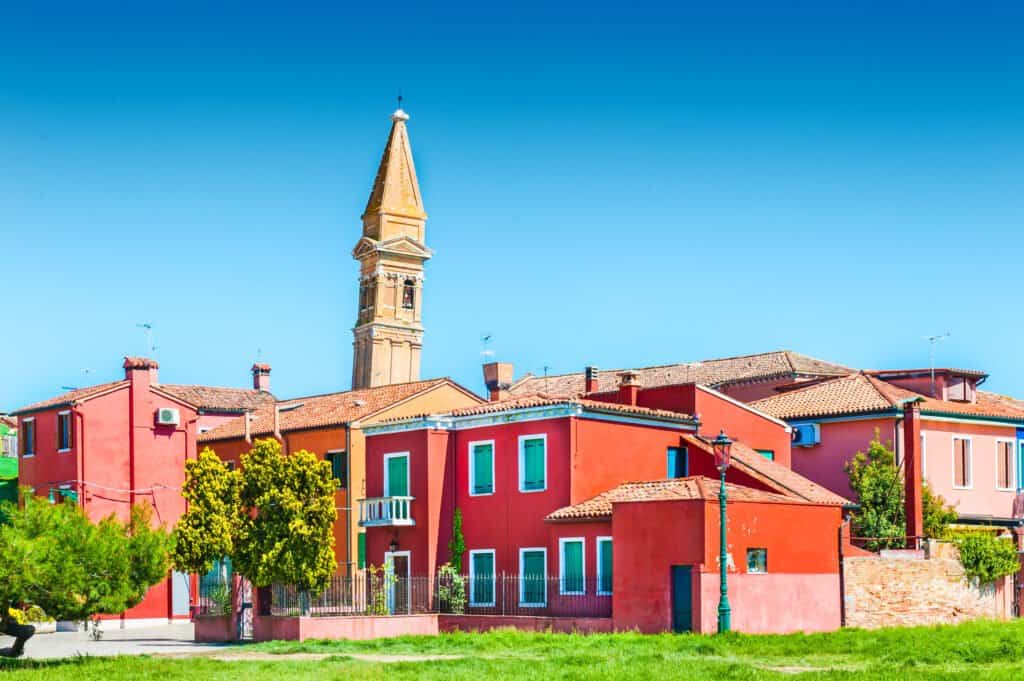
Burano is small enough to walk completely in under an hour, so the museum pairs naturally with an exploration of the island itself. The painted house facades along Via Baldassarre Galuppi and the surrounding streets are the obvious companion. There is also a church worth entering: San Martino, which leans visibly and contains a large Crucifixion painting attributed to Giambattista Tiepolo.
Many visitors combine Burano with a stop on Torcello, the oldest inhabited island in the lagoon and reachable by a short boat connection. Torcello's cathedral, Santa Maria Assunta, contains Byzantine mosaics that date to the 11th century. The contrast between the two islands, one vivid and domestic, the other quiet and ancient, makes for a full day on the water.
Murano, known for its glass, is on the same vaporetto line and sits roughly halfway between Venice and Burano. A three-island day is ambitious but doable if you start early.
Practical Tips
- The museum is closed on Tuesdays; confirm current hours before traveling, especially in the off-season when schedules can shift
- Wear comfortable shoes. Burano's streets are uneven stone and the walk from the vaporetto involves bridges
- Bring cash for the ticket if you are not sure card payment is available, though most Venice civic museums have modernized their payment options
- The island has several restaurants and cafes around Piazza Galuppi; plan lunch there rather than rushing back to Venice
- Lace sold in shops around the island varies widely in quality and origin. Pieces made on Burano by local artisans are significantly more expensive than imported machine-made alternatives. The museum staff can often point you toward reputable sellers
- If you are traveling with children, the live demonstration by the lacemakers tends to hold attention in a way that static displays do not
FAQ
Do I need to book in advance?
On most days, no. The museum is small but rarely sells out. Booking ahead is worth considering only during peak summer weekends or if you are part of a larger group.
How long should I plan for the visit?
Most visitors spend between 45 minutes and an hour and a half inside. Combining it with a walk around the island, you should plan for a half-day minimum on Burano.
Is the museum accessible for visitors with mobility limitations?
The ground floor is generally accessible, though the building's age means some areas may have limited access. Contacting the museum directly before your visit is the most reliable way to get current information.
Can I buy authentic Burano lace at the museum?
The museum itself focuses on preservation and display rather than retail, but the staff are a good resource for guidance on where to find genuine locally made pieces on the island.
Is the Museo del Merletto worth it if I am not particularly interested in textiles?
The live demonstration alone tends to win over skeptics. Watching the craft being made is a different experience from reading about it, and the historical context of near-extinction and revival gives the collection a story that lands even for visitors who came mainly for the houses.
Opening hours
Reviews
Sign in and mark this place visited to leave a review.
No reviews yet.
Free Trip Planner
Plan your Burano trip with our free planner
Build a day-by-day itinerary with AI suggestions, hand-picked places, and friends. Free forever — no credit card.
Related reading

Things to see near Museo del Merletto


Places to eat or drink near Museo del Merletto

Oro Restaurant

Cantine del Vino già Schiavi

Bar Longhi