
Inchcolm Abbey
nchcolm Island KY3 0XR, UK Posted by bazartravelsAdmin
Inchcolm Abbey overview
Inchcolm Abbey sits on Inchcolm Island in the Firth of Forth, just off the coast near Edinburgh. The setting feels remote even though the city is close by. You reach the island by boat, and as you approach, the abbey rises above the shoreline surrounded by grass and sea.
The site is one of the best preserved monastic complexes in Scotland. While parts of the abbey are in ruins, large sections of the structure remain intact. You can walk through cloisters, rooms, and passageways that date back to the medieval period.
Plan around 1.5 to 2 hours on the island, not including travel time by boat.
Why Inchcolm Abbey matters
Inchcolm Abbey was founded in the 12th century during the reign of King David I. It became home to Augustinian canons who lived and worked on the island.
The abbey’s location provided isolation and protection. Over time, it also played a role in regional religious life and later in military defense during conflicts in the Firth of Forth.
Because of its preserved layout and coastal setting, Inchcolm Abbey offers a clear view of how a medieval monastic community functioned.
Quick facts
- Location: Inchcolm Island, Firth of Forth, Scotland
- Founded: 12th century
- Religious order: Augustinian
- Access: By boat only
- Typical visit time: 1.5 to 2 hours
Getting to Inchcolm Abbey
The only way to reach Inchcolm Abbey is by boat. Regular ferry services operate from South Queensferry and occasionally from other nearby ports.
- Boat departure from South Queensferry
- Trip takes around 30 to 45 minutes
- Seasonal schedules vary, especially outside summer
Check ferry times in advance and allow enough time for the return journey.
The abbey complex
Inchcolm Abbey includes several key parts of a traditional monastery.
- Church building
- Cloister courtyard
- Chapter house
- Living quarters
Many of these areas are still accessible. You can walk through corridors and rooms, which helps bring the space to life.
The cloister
The cloister is one of the most complete features of Inchcolm Abbey. It forms a square courtyard surrounded by covered walkways.
This space would have been central to daily monastic life. Today, it remains a quiet and sheltered part of the site.
The church interior
The church includes a nave and chancel area. Parts of the roof remain, which is rare for medieval ruins in Scotland.
Inside, the space feels enclosed compared to other ruined abbeys. This gives a stronger sense of how it originally functioned.
Life on the island
The monks of Inchcolm Abbey lived in isolation. They followed a structured daily routine of prayer, study, and work.
The island provided limited resources, so supplies would have been brought from the mainland. The surrounding sea also offered protection from sudden attack.
Later history and military use
In later centuries, the island gained strategic importance. During periods of conflict, defensive structures were added to protect the Firth of Forth.
You can still see remnants of military installations alongside the abbey ruins.
Wildlife and surroundings
Inchcolm Island is home to seabirds and coastal wildlife. Depending on the season, you may see puffins, gulls, and other bird species.
The combination of nature and history adds to the overall experience.
Best time to visit
Late spring through early autumn offers the best conditions. Ferry services run more frequently during this period, and weather is generally more stable.
Wind conditions can affect boat trips, so check forecasts before booking.
Photography tips
The island offers strong contrast between stone and sea.
- Capture the abbey from the shoreline on arrival
- Photograph cloister arches for symmetry
- Include sea views in wide landscape shots
Overcast skies often enhance the mood of the ruins.
Facilities and preparation
Facilities on the island are limited. Bring water and any essentials with you.
Wear comfortable shoes. Paths can be uneven and grassy.
How it compares to other Scottish abbeys
Many Scottish abbeys sit inland and exist as open ruins. Inchcolm Abbey stands out because of its island location and relatively intact structures.
The setting gives it a quieter and more isolated feel than larger mainland sites.
Combining with nearby attractions
A visit to Inchcolm Abbey pairs well with exploring the Firth of Forth area.
- South Queensferry village
- Forth Bridge viewpoints
- Edinburgh day trips
You can visit the abbey as a half day trip from Edinburgh.
Sample visit plan
Edinburgh coastal day
- Morning travel to South Queensferry
- Boat trip to Inchcolm Island
- Explore Inchcolm Abbey
- Return and walk along the waterfront
Common questions
Do you need a ticket? Yes, boat transport and site entry are usually combined.
Is it difficult to access? No, but it requires planning due to ferry schedules.
Is it worth visiting? Yes, especially if you enjoy historic sites in unique settings.
Opening hours
Reviews
Sign in and mark this place visited to leave a review.
No reviews yet.
Free Trip Planner
Plan your United Kingdom trip with our free planner
Build a day-by-day itinerary with AI suggestions, hand-picked places, and friends. Free forever — no credit card.
Things to see near Inchcolm Abbey
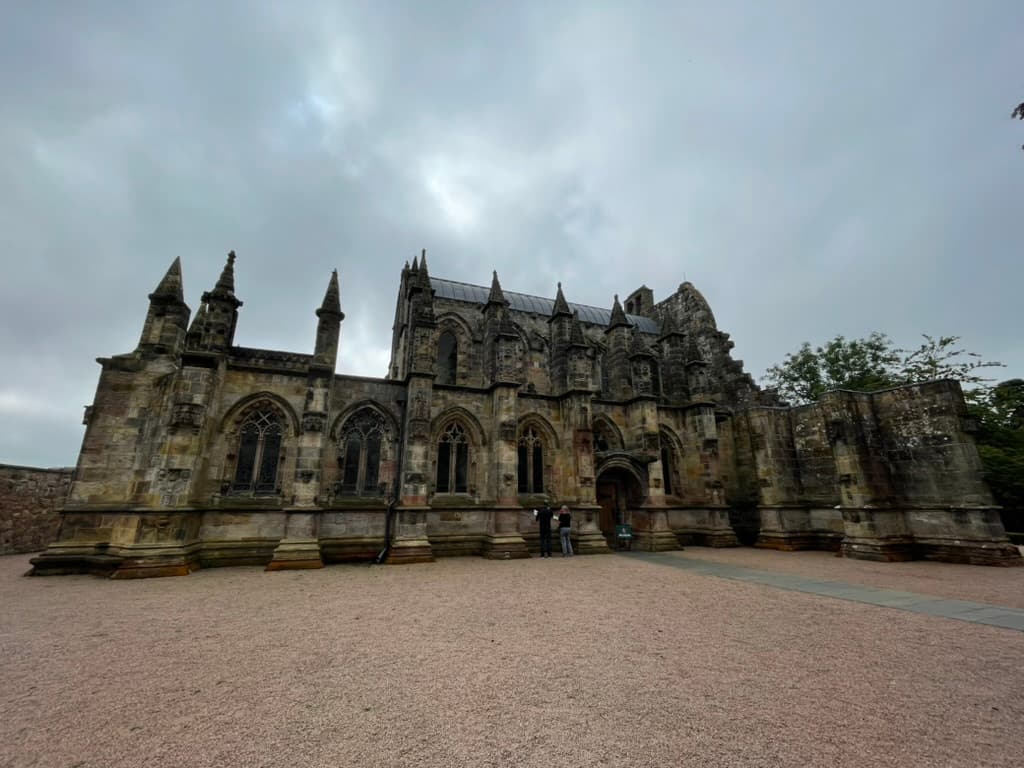
Rosslyn Chapel

Jupiter Artland

Kirkbrae House


