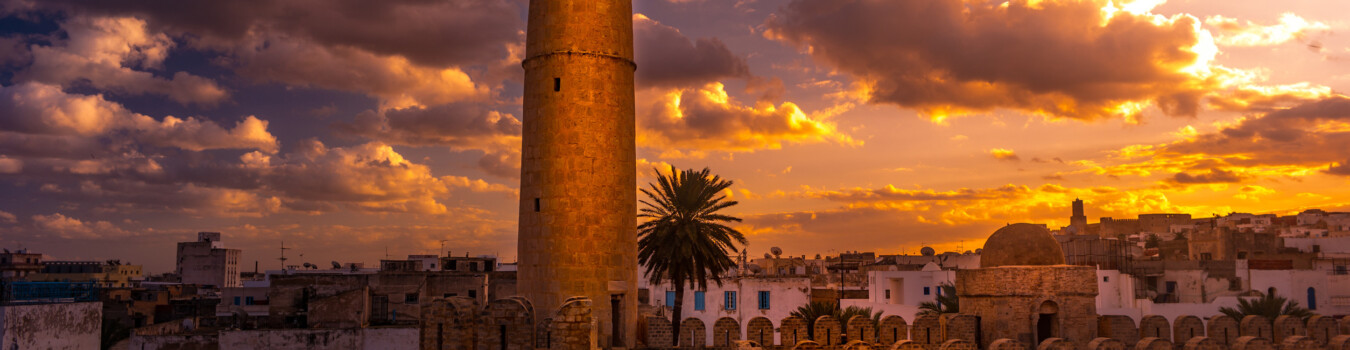






Located off the northeastern coast of Tunisia, Jobi Island is a hidden gem offering visitors a unique blend of serene beaches, rich history, and authentic Tunisian culture. This tranquil retreat is perfect for travelers seeking peaceful moments away from the typical tourist trails, accompanied by stunning Mediterranean views and warm hospitality.
Getting to Jobi
Reaching Jobi typically involves a short ferry or boat ride from the nearby mainland ports, such as Bizerte or Kelibia. These waterside towns are well connected to Tunis by road and rail, making travel seamless for those flying into Tunisia’s capital. Hiring a local boat or booking a guided tour can enhance your arrival experience, offering scenic views across the azure Mediterranean waters.
Beaches and Natural Beauty
Jobi’s coastline is characterized by pristine sandy beaches and crystal-clear water, ideal for swimming, sunbathing, and snorkeling. Unlike the busier resorts elsewhere in Tunisia, Jobi’s beaches are largely untouched, providing a more intimate feel with nature.
- Plage Sable d’Or: A golden sandy beach with calm waters, perfect for families and relaxation.
- Coral Bay: A great spot for snorkeling or diving, where you can explore colorful marine life among the coral reefs.
- Mediterranean Cliffs: For the adventurous, hiking along the rocky cliffs offers breathtaking panoramic views of the sea and the island’s rugged landscape.
History and Culture
Jobi Island holds an important place in Tunisia’s maritime history. Once a strategic point for trade and defense, traces of ancient forts and lighthouses can still be explored. Local legends and stories passed down through generations add a mystical charm to the island.
You can visit small fishing villages that maintain traditional lifestyles, offering insights into Tunisian daily life away from the modern hustle. Local markets are vibrant with handcrafted goods, fresh seafood, and spices. Don’t miss tasting authentic Tunisian cuisine in family-run eateries where you can savor dishes like brik, couscous, and freshly grilled fish.
Activities to Enjoy
- Snorkeling and Diving: The clear Mediterranean waters surrounding Jobi are home to abundant marine life and underwater caves. Equipment rental and guided tours are available on the island.
- Fishing Trips: Join local fishermen for a traditional fishing excursion, a peaceful way to experience the sea and learn about regional practices.
- Hiking and Nature Walks: Explore the island’s diverse flora and fauna, including native bird species and wildflowers by hiking trails along the coast and interior.
- Historical Tours: Discover ancient ruins, visit old watchtowers, and immerse yourself in the island’s rich historical tapestry through guided walks and storytelling sessions.
Where to Stay
Accommodation on Jobi ranges from charming guesthouses to eco-friendly lodges, emphasizing comfort and sustainability. Many establishments are family-run, providing warm, personalized service that makes visitors feel at home. Staying here means waking up to the sound of waves and experiencing an authentic island lifestyle.
- Seaside Guesthouses: Cozy rooms with private balconies overlooking the sea, offering a peaceful retreat.
- Eco Lodges: Designed with minimal environmental impact, perfect for eco-conscious travelers who want to connect with nature.
- Camping Areas: For those who prefer adventure, designated camping sites allow you to sleep under the stars amidst natural beauty.
Best Time to Visit
The ideal time to visit Jobi is from late spring to early autumn (May to September), when the weather is warm and sunny, perfect for beach activities and exploring outdoors. Summers are hot and dry, while spring offers a burst of blooming flowers and a refreshing sea breeze. Winter months are quieter but can be cool and rainy, making it less suitable for swimming but still good for cultural visits and peaceful solitude.
Travel Tips
- Currency: The Tunisian dinar (TND) is used on the island. Cash is preferred in most places, so carry some local currency with you.
- Language: Arabic and French are widely spoken, with some English in tourist areas. Learning a few basic Tunisian Arabic phrases can be helpful and appreciated.
- Local Customs: Dress modestly, especially when visiting villages and religious sites. Respect local traditions and ask permission before photographing people.
- Connectivity: Internet access may be limited in some areas, making this an excellent opportunity to unplug and enjoy nature.
- Health & Safety: Stay hydrated and use sunscreen. The island is generally safe, but it’s wise to keep an eye on belongings and respect marine safety guidelines when engaging in water activities.
Jobi Island is a serene escape that invites visitors to slow down, explore, and connect with Tunisia’s authentic coastal charm. Whether you’re basking on sun-kissed beaches, diving into Mediterranean waters, or wandering through historical sites, Jobi offers an unforgettable experience for any traveler looking to discover a quieter side of Tunisia.
 Rate it or leave a comment!
 Rate it or leave a comment!

 Own or work here?
Nearby Places to Eat and Drink See All


Restaurant Sidi Ali..
- Be the first one to rate!
Restaurant Dar El Bh..
- Be the first one to rate!


Nearby Places to See and Do See All