Djerba Island
Djerba, Djerba, Tunisia Posted by bazartravelsAdmin
Djerba Island, nestled off the coast of Tunisia in the Mediterranean Sea, is a captivating destination that blends rich history, vibrant culture, and stunning natural beauty. Known for its picturesque beaches, unique architecture, and warm hospitality, Djerba is an idyllic escape for travelers seeking both relaxation and adventure. Whether you’re wandering ancient medinas, exploring traditional Berber villages, or indulging in fresh seafood by the sea, Djerba offers an unforgettable experience that captivates all the senses.
Getting to Djerba
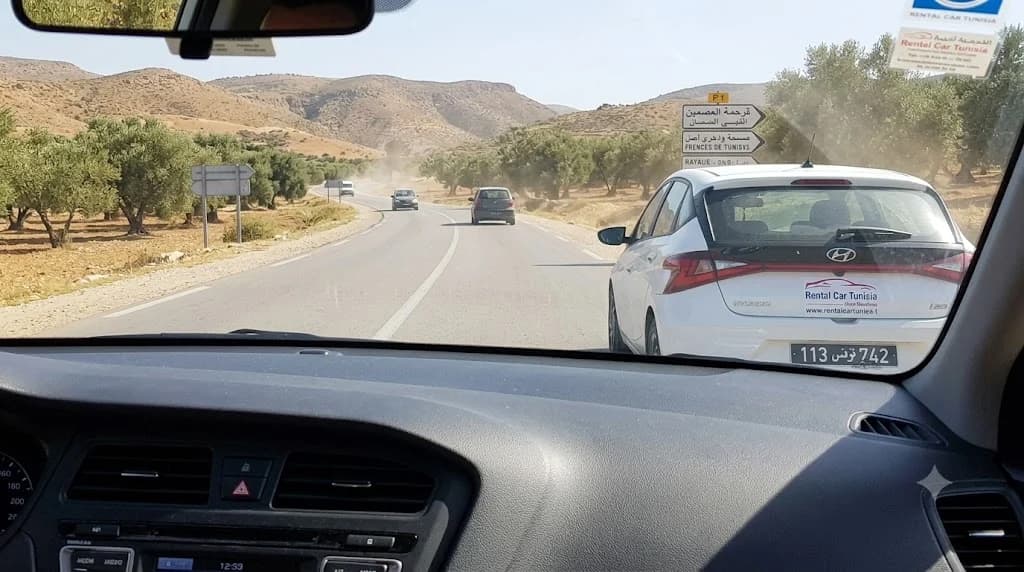
Djerba is well-connected by air and road, making it accessible for most travelers. The island’s main gateway is Djerba-Zarzis International Airport (DJE), with direct flights from many European cities. From the Tunisian mainland, you can also reach Djerba by car or bus via the causeway that links the island to the mainland. Renting a car is a convenient way to explore the island at your own pace.
Top Attractions in Djerba
- Houmt Souk: This charming main town is a hub of activity, where you can wander through bustling souks filled with traditional crafts, spices, and textiles. The medina’s narrow alleyways invite you to explore artisan workshops and lively marketplaces.
- El Ghriba Synagogue: One of the oldest synagogues in the world, El Ghriba is a place of pilgrimage and cultural significance. Its beautiful mosaics, intricate decorations, and peaceful atmosphere make it a must-visit site.
- Guellala Village: Famous for its pottery, Guellala offers a glimpse into local craftsmanship. You can watch artisans at work and purchase handmade ceramics directly from the village.
- Djerbahood: This open-air street art museum in the village of Erriadh features murals from artists around the world, transforming the village into a vibrant canvas of creativity.
- The Island’s Beaches: Djerba is renowned for its golden sandy beaches and crystal-clear waters. Sidi Mahres, Seguia, and Aghir are some of the most popular beaches where you can swim, sunbathe, or enjoy water sports.
Experience the Local Cuisine
Djerba’s culinary scene is a delightful fusion of Mediterranean and North African flavors. Fresh seafood dominates the menus, but you’ll also find traditional Tunisian specialties such as couscous, brik (a thin pastry filled with egg and tuna or meat), and harissa (a spicy chili paste). Don’t miss trying a glass of refreshing mint tea or sipping on local olive oil during your meals. The island’s restaurants often offer dining with a view of the sea, enhancing your gastronomic experience.
Cultural Insights
Djerba’s culture is a vibrant tapestry woven from Berber, Arab, Jewish, and Mediterranean influences. The island’s residents are known for their warm hospitality and strong community ties. Visitors should take time to learn about the island’s traditions, including local festivals, music, and crafts. The annual Ulysses Festival celebrates the island’s mythical links to Homer’s Odyssey, featuring music, dance, and theatrical performances that highlight its deep historical roots.
Outdoor Activities and Adventures
- Water Sports: With its calm Mediterranean waters, Djerba is perfect for snorkeling, windsurfing, and jet-skiing.
- Desert Excursions: Explore the surrounding Sahara regions with guided tours that offer camel rides, 4×4 adventures, and visits to desert oases.
- Bird Watching: The island is a haven for birdlife, especially in the Guellala and Ras Rmel nature reserves.
- Biking and Hiking: Discover Djerba’s countryside by bike or on foot, where you’ll pass olive groves, palm trees, and picturesque villages.
Tips for Travelers
- Best Time to Visit: The ideal time to enjoy Djerba’s warm weather and sunny skies is from April to October. Summer months can be hot but perfect for beach lovers.
- Currency: The Tunisian Dinar (TND) is the local currency. Cash is preferred in markets and smaller shops, though larger venues accept credit cards.
- Language: Arabic is the official language, but French is widely spoken. Many locals in tourist areas also understand some English.
- Local Customs: Dress modestly when visiting religious sites. It’s polite to ask permission before photographing people, especially in rural areas.
- Health and Safety: Djerba is generally safe for tourists. Stay hydrated, use sunscreen, and be cautious of strong currents when swimming.
Where to Stay
Djerba offers accommodation options for every taste and budget. Luxury resorts and beachfront hotels provide all-inclusive amenities and spa treatments. For a more authentic experience, consider staying in a traditional guesthouse or a riad where you can enjoy personalized service and local charm. Popular areas to stay include Houmt Souk for its central location and vibrant nightlife, or the quieter shores of Sidi Mahres for peaceful beach retreats.
Conclusion
Whether you’re drawn by its historical richness, scenic charm, or the promise of tranquil beaches, Djerba Island is a destination that rewards every traveler. Its blend of culture, nature, and hospitality creates a unique atmosphere ideal for exploring or simply unwinding in a beautiful corner of the Mediterranean. Pack your bags and get ready to discover the magic of Djerba!
Reviews
Sign in and mark this place visited to leave a review.
No reviews yet.
Free Trip Planner
Plan your Tunisia trip with our free planner
Build a day-by-day itinerary with AI suggestions, hand-picked places, and friends. Free forever — no credit card.