
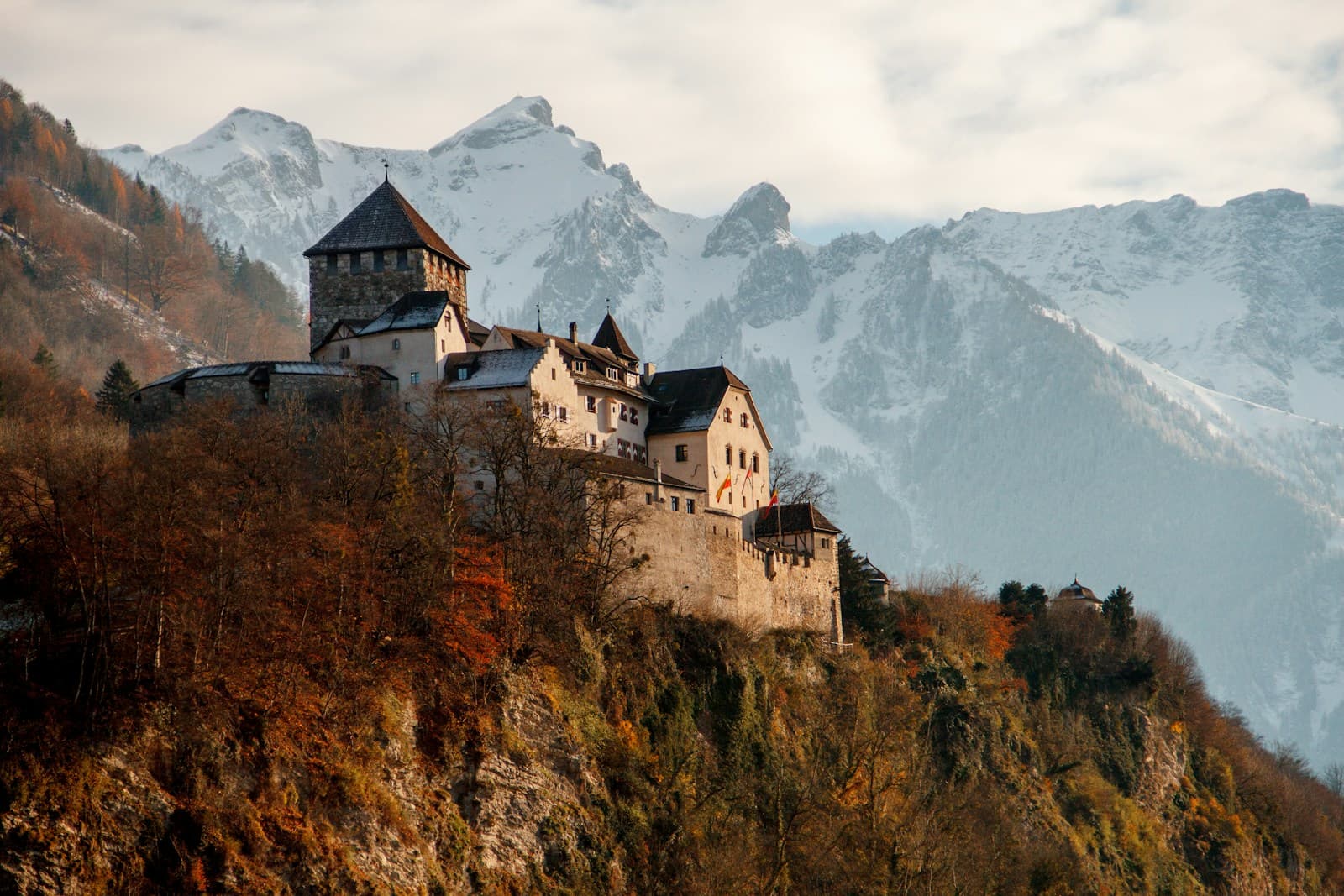
Ultimate Liechtenstein Travel Guide
Liechtenstein on the map
20 places from this guide. Tap a pin to open the listing.
Liechtenstein squeezes an entire Alpine country into about 160 square kilometres between Switzerland and Austria, which means a single well-planned trip can cover castles, vineyards, a national museum, and a mountain ski resort without much driving at all. This Liechtenstein travel guide is built around that compactness: where to base yourself, what the seasons actually feel like, and which of the country's eleven villages reward a detour. Vaduz, the capital, holds most of the headline sights, but the real texture of the place shows up in Triesenberg's Walser heritage, Balzers' hilltop castle, and the ski slopes above Malbun.
German is the official language (locals speak an Alemannic dialect among themselves), the currency is the Swiss franc, and the country has no airport, railway station of its own with international service, or army. It's a constitutional monarchy, still ruled in part by the reigning prince from Vaduz Castle on the hill above town, and it's one of the few places in Europe where you can walk the entire capital's sightseeing circuit in under two hours.
When to Visit
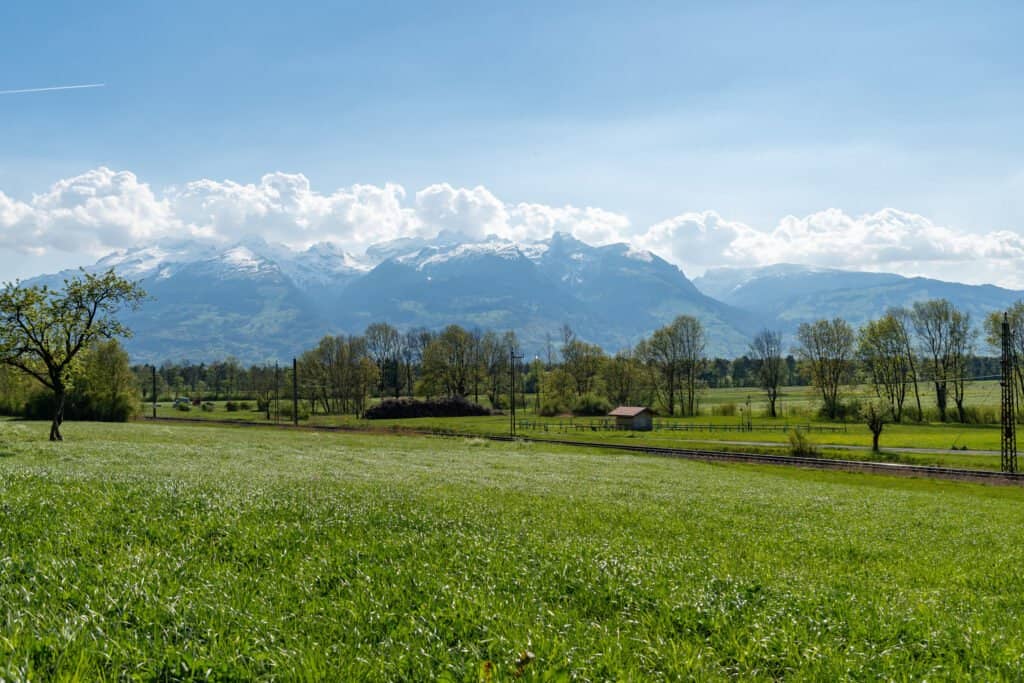
Spring, roughly April through June, brings mild days between 8°C and 18°C and the Rhine Valley turns green fast. It's a good stretch for hiking the lower trails before the high alpine paths fully open, and you'll have Vaduz's old town without much of a crowd.
Summer, July through September, is the busiest season, with daytime highs between 18°C and 28°C. This is when the trails above Malbun and the Sareis Chairlift are in full operation, and when most visitors combine a Liechtenstein stop with a longer Switzerland or Austria itinerary.
Fall, October into November, cools to between 5°C and 15°C and the Rhine Valley hillsides turn color fast. It's arguably the best light for photographing Vaduz Castle from below, and the vineyards tied to the Hofkellerei of the Prince of Liechtenstein are at their most photogenic just before harvest.
Winter runs December through March, with temperatures dropping to between -3°C and 7°C in the valley and well below that higher up. Ski Resort Malbun becomes the obvious draw, a modest, family-oriented resort that's a fraction of the price and crowd of the big Swiss or Austrian stations nearby. Snow conditions vary year to year, so check current coverage before planning a ski-focused trip.
Where to stay
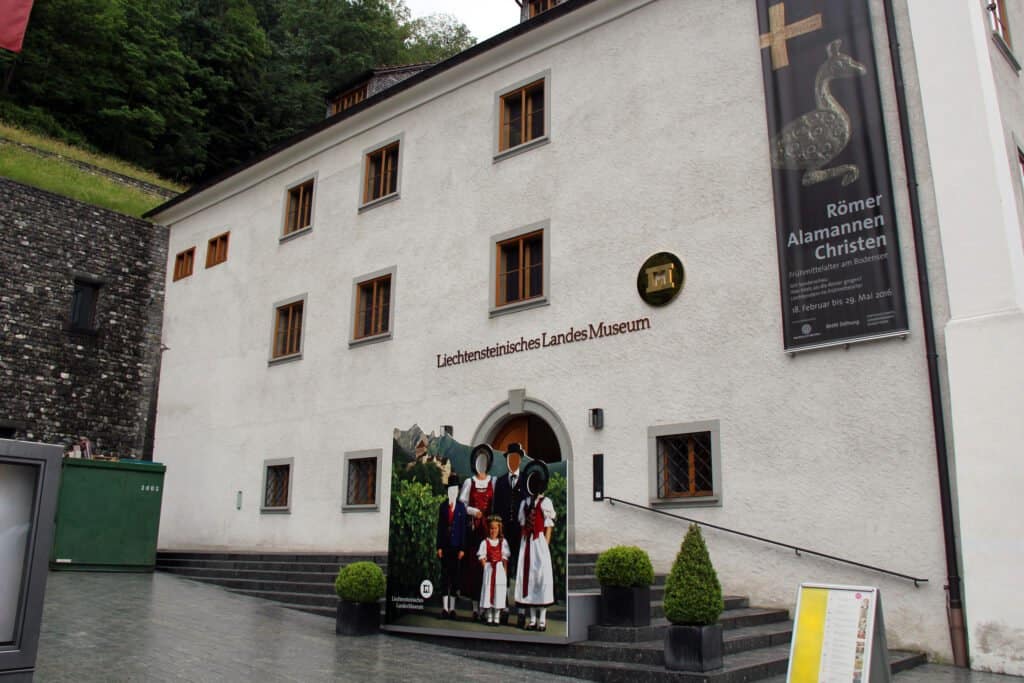
Vaduz is the natural base for a first visit, since it holds the museums, the government buildings, and most of the restaurants within walking distance of each other. Staying here puts you a few minutes from the Liechtenstein National Museum, the Kunstmuseum Liechtenstein, and The Main Square, where cafés and the tourist office cluster around a fountain and a handful of modern sculptures.
- Vaduz — best for first-time visitors who want to walk to Vaduz Castle, Vaduz Town Hall, the Cathedral of St. Florin, and Government House of Liechtenstein without a car.
- Triesenberg and the Malbun road — better suited to anyone prioritizing hiking or skiing; Triesenberg itself retains strong Walser identity and is home to Das Walsermuseum, Triesenberg, worth an hour before you continue up toward the slopes.
- Balzers — quieter, agricultural, and anchored by Burg Gutenberg, a hilltop castle with gardens open to walk around even when the interior isn't accessible.
- Schaan — the country's largest town and a practical, low-key base if you're arriving by train via Buchs and want easy bus connections in every direction.
If you'd rather sleep higher up, Berggasthaus Masescha, a mountain guesthouse above Triesenberg, puts you closer to the trailheads and the kind of quiet that Vaduz's center doesn't offer.
How to reach the destination
Liechtenstein has no airport, so you'll fly into a neighboring country and continue overland. Zurich Airport (ZRH) in Switzerland is the most common entry point, roughly 120 km from Vaduz by road or train. Friedrichshafen Airport (FDH) in Germany, on the shore of Lake Constance, is considerably closer at around 60 km and worth checking if you're coming from within Europe. Munich Airport (MUC) works too, though it's a longer transfer at around 180 km, and Innsbruck Airport in Austria is a reasonable alternative at roughly 115 km if your trip also includes Tyrol.
By train, Swiss Federal Railways (SBB) runs frequent service to Buchs or Sargans in Switzerland, both just across the border. From either station, a short local bus ride (around 20 to 30 minutes) gets you into Vaduz or Schaan. There's no need to rent a car just to reach the country, though having one makes day trips into the surrounding Swiss and Austrian Alps easier.
Getting around the destination
Once you're here, getting around Liechtenstein is straightforward. Liechtenstein Bus (LBA) runs a dense network connecting every village, with Vaduz and Schaan as the main hubs, and buses run often enough that you rarely wait more than 20 minutes during the day. Fares are affordable and the system connects seamlessly with Swiss postbus routes if you're continuing into Switzerland.
Vaduz itself is entirely walkable. You can cover Vaduz Castle, the Cathedral of St. Florin, the Government House, Vaduz Town Hall, and the museums around The Main Square on foot in an afternoon. For villages like Nendeln, a stroll around Nendeln's old pottery works and train halt is a pleasant half-day outing if you want to get off the capital's main circuit, reachable by bus or a short train hop since the Austria-bound rail line technically clips through Liechtenstein territory, though regular passenger service within the country is limited.
A rental car makes sense if you're heading up to Malbun or want to explore Burg Gutenberg and the southern villages at your own pace, since mountain bus schedules thin out outside peak season. Roads are well maintained and driving distances are short, often under 20 minutes between towns.
Top destination travel tips
- Liechtenstein uses the Swiss franc, not the euro, even though prices in border shops sometimes display both. Carry some cash for smaller cafés and mountain huts.
- The country is part of the Schengen Area but not the EU, and not part of Switzerland despite the shared currency and customs union. Check current entry requirements for your nationality before you travel, since rules can shift.
- Swiss mobile networks generally cover Liechtenstein, so a Swiss SIM or eSIM works fine; don't expect a separate Liechtenstein carrier.
- Plug types follow the Swiss standard (type J), which differs slightly from the rest of continental Europe, so check your adapter before you pack.
- The tourist office in Vaduz sells a novelty passport stamp, a small, well-known tradition since the country has no real border checkpoints of its own.
- Tipping isn't obligatory but rounding up a bill or leaving small change at restaurants is normal and appreciated.
- Mountain weather shifts fast above Malbun even in summer. Pack a layer even on a clear morning if you're hiking.
Typical costs in the destination
Prices run close to Swiss levels, which means Liechtenstein isn't a budget destination by most European standards. Expect a casual lunch or café meal to sit in the mid-range tier, with sit-down dinners at places like Restaurant Maree, Restaurant Kainer, or Restaurant Torkel landing upscale, particularly if you order wine from the Hofkellerei of the Prince of Liechtenstein's own vineyards. A coffee and pastry at a spot like American Bagel & Coffee Co. is budget-friendly by comparison.
Museum entry at places like the Kunstmuseum Liechtenstein, the Liechtenstein National Museum, and the Postal Museum tends to be modestly priced, and several smaller sights, including the castle exteriors and churches, cost nothing to view from outside. Lift tickets for the Sareis Chairlift or a day on the slopes at Ski Resort Malbun fall into the mid-range tier compared with major Alpine resorts in Switzerland or Austria. Bus fares are inexpensive enough that a day pass is worth it if you're moving between three or more villages.
Must try food and drinks
- Käsknöpfle — a Liechtenstein take on cheese spätzle, usually topped with caramelized onions and served as a hearty main.
- Ribel — a cornmeal dish tied to Rhine Valley farming tradition, often eaten for breakfast with coffee and applesauce.
- Rösti — the shredded, pan-fried potato dish shared with Switzerland, found on most traditional menus as a side or a base for a meal.
- Wine from the Hofkellerei of the Prince of Liechtenstein — the princely family's own winery produces Pinot Noir and other varieties from vineyards around Vaduz, available to taste and buy on site.
- Törkel-style dining — Restaurant Torkel sits inside a historic wine press building and leans into regional, seasonal cooking paired with local wine.
- Bagels and specialty coffee — a more modern addition to the scene at American Bagel & Coffee Co., useful if you want something quick between sightseeing stops.
FAQ
How many days do you need in Liechtenstein?
One full day covers Vaduz's main sights comfortably, including the castle exterior, the museums, and the old town. Two to three days lets you add Malbun for hiking or skiing, Burg Gutenberg in Balzers, and a slower look at Triesenberg and Nendeln.
Is Liechtenstein expensive?
Yes, costs run close to Switzerland's, with the Swiss franc as the currency and prices to match. Meals, lodging, and transport all sit toward the higher end of Western European norms, though museum entry and bus travel remain relatively affordable.
Do you need a car to visit Liechtenstein?
No, the Liechtenstein Bus network covers every village and Vaduz itself is fully walkable. A car becomes useful mainly if you want flexibility reaching Malbun or the southern villages outside peak bus hours.
Is English widely spoken in Liechtenstein?
English is understood in hotels, restaurants, and the main tourist sights in Vaduz, though German is the everyday language and the local Alemannic dialect is what you'll overhear in villages. Basic German phrases go a long way outside the capital.
Can you visit Liechtenstein as a day trip from Switzerland or Austria?
Yes, Vaduz is an easy day trip from Zurich, Sargans, or Feldkirch, with buses from Buchs or Sargans taking around 20 to 30 minutes. A day trip covers the capital well, though you'll miss the mountain villages if you don't stay overnight.
What's the best month to visit Liechtenstein?
June and September tend to offer the best balance of mild weather and manageable crowds, with hiking trails open and summer heat not yet or no longer at its peak. Ski season from roughly December through March is the pick if Malbun's slopes are the priority.
Is Liechtenstein worth visiting?
Yes, particularly as part of a wider Swiss or Austrian Alpine trip rather than a sole destination. This Liechtenstein travel guide points to a country small enough to see thoroughly in a long weekend but distinctive enough, between the princely vineyards, the Walser villages, and Vaduz's low-key capital feel, to stand on its own itinerary.
Top Places to Visit in Liechtenstein
View all





Top Places to Eat in Liechtenstein
View all Eat & Drink
Restaurant Kainer
 Eat & Drink
Berggasthaus Masescha
 Eat & Drink
 Eat & Drink
Restaurant Maree
 Eat & Drink