




Ostia Antica – Rome, Italy
Overview
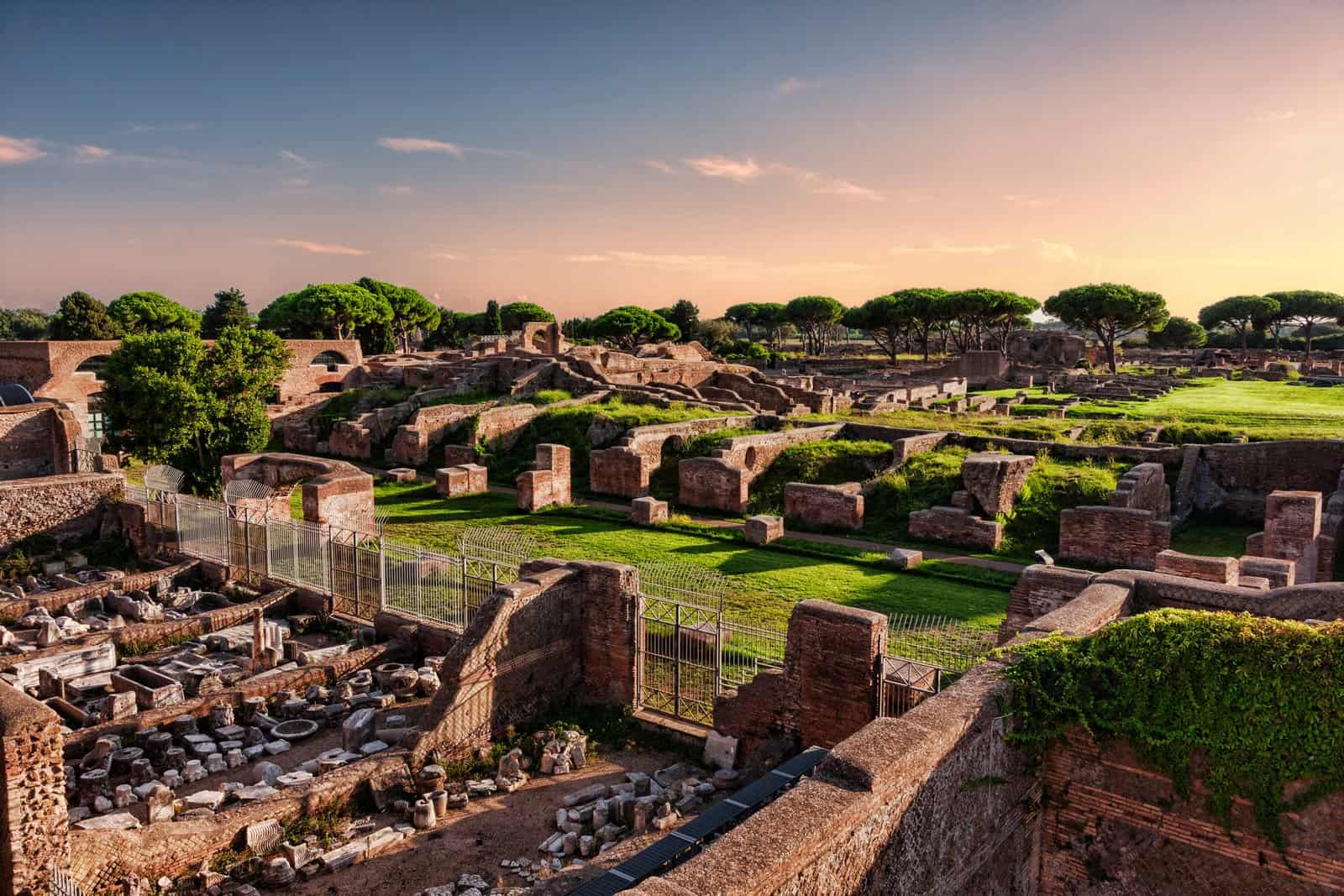
Ostia Antica is a large and well-preserved ancient Roman city located about 30 kilometers southwest of central Rome. It once served as Rome’s main port and supply center. The city began to form around the 4th century BC and grew alongside Rome for hundreds of years. Grain, olive oil, wine, and goods from across the empire passed through here before reaching the capital. Today, Ostia Antica feels open and calm. You walk through full streets, homes, and public buildings with space to pause and look around. Many people compare it to Pompeii, but the pace here feels slower and more relaxed.
Why Visit
- Walk through a full Roman city without heavy crowds
- See homes, shops, and baths laid out as they once were
- Learn how everyday people lived in ancient Rome
- Spend hours exploring at your own pace
- Reach the site easily from Rome by train
First Impressions on Arrival
When you enter Ostia Antica, the space feels wide and green. Trees grow between ruins, and birds move through the air. Stone roads stretch out in clear lines. You can see where carts once passed by the deep grooves worn into the pavement. Buildings rise higher than many expect. Some apartment blocks reach three or four stories. The scale helps you picture a real city, not just scattered ruins.
The Streets and Layout
The street plan at Ostia Antica feels logical and easy to follow. Main roads cut through the site and lead to smaller side streets. Shops once opened directly onto the road. You can still see stone counters where goods were sold. Side streets lead into housing blocks and courtyards. Drainage systems run beneath the roads, and stepping stones cross wider streets. These stones helped people pass during floods or rain.
Walking here feels natural. You are not pushed along a set route. You choose where to turn and how long to stay. This freedom makes the visit feel personal.
Homes and Daily Life
Most residents of Ostia lived in apartment buildings known as insulae. These structures held families, workers, and merchants. Lower floors often housed shops or workshops. Living spaces sat above. Wooden floors and roofs disappeared long ago, yet the stone walls still show room shapes and stairways. Courtyards brought light and air inside.
Wealthier families lived in townhouses with private rooms and gardens. Some floors still display black-and-white mosaics with simple patterns or symbols. These designs often marked trade groups, beliefs, or family identity. Seeing them in place gives a clear sense of home life in ancient times.
Baths, Toilets, and Water
Public baths played a central role in daily routine. Ostia Antica holds several bath complexes of different sizes. These buildings included hot rooms, warm rooms, and cold pools. Heating systems ran beneath floors and inside walls. Some bathhouses still show mosaic floors and painted plaster.
Public toilets also survive in several areas. Stone seats line the walls, placed side by side. Water channels once flowed beneath. These spaces remind visitors that daily life felt social and shared in many ways.
The Theatre and Public Spaces
The theatre at Ostia Antica dates to the 1st century BC and later expansions. It could hold thousands of spectators. Today, the structure remains mostly intact. Seating rises in clear tiers, and the stage area still stands. During some seasons, modern performances take place here, using the ancient setting.
Nearby lies the forum, the civic heart of the city. Temples, offices, and meeting spaces once stood here. Though roofs and decorations are gone, the layout remains clear. Standing in the forum helps you sense how public life worked day to day.
Trade and Work
Ostia thrived on trade. Guild buildings line parts of the city. These spaces served groups tied to shipping, food supply, and crafts. Mosaic signs on floors show symbols linked to different trades. Grain importers, ship owners, and merchants all worked here.
Large warehouses sit near the former river channel. These buildings stored food and goods before transport inland. Their thick walls and wide interiors still stand. Walking through them shows how important logistics were to Rome’s survival.
Religion and Belief
Religious life in Ostia reflected the empire’s diversity. Temples honored Roman gods. Shrines served local cults. One of the best-known structures is the synagogue, one of the oldest known in Europe. Its remains show seating, a central hall, and symbols tied to worship. This mix of beliefs reflects a busy port city with people from many regions.
Decline and Preservation
Over time, the Tiber River shifted. Silt built up near the coast. New ports formed closer to the sea. Trade slowly moved away from Ostia. Flooding became more common. By the early Middle Ages, much of the city stood empty. Sand and soil covered the ruins.
This burial helped protect the site. Large excavations began in the 1800s and continued into the early 1900s. Archaeologists uncovered streets, homes, and public buildings in place. What you see today reflects those efforts.
How It Feels to Spend a Day Here
Ostia Antica feels calm even on busy days. You hear footsteps, wind, and birds. You choose when to stop and when to move on. You can sit on a low wall and look across a street that once held carts and crowds. Can you visit without a guide? Yes. Signs help, and the layout feels clear, but guides and audio tours add useful detail.
Tickets and Practical Details
Standard entry tickets usually cost around €18. Prices may change by season. The ticket covers the full archaeological area. The site often opens in the morning and closes in the late afternoon. Last entry usually comes about one hour before closing time.
Restrooms and a small café sit near the entrance. Water fountains appear inside the site, so carrying a refillable bottle helps. Benches and shaded areas appear throughout, which makes long visits easier.
Best Time to Visit
Spring and autumn bring mild temperatures and clear light. Summer can feel hot, especially in open areas, so early morning works best. Winter stays cool and quiet, with fewer visitors. Weekdays feel calmer than weekends. Plan at least three to four hours to explore without rushing.
Getting There from Rome
Reaching Ostia Antica from Rome is simple. Trains leave from Porta San Paolo station near Piramide. The ride takes about 30 minutes. From the Ostia Antica stop, the entrance sits about a ten-minute walk away. The route is flat and clear. A car is not needed.
Nearby Places
The modern town of Ostia lies closer to the sea. Many visitors pair the ruins with lunch by the coast. Others return to Rome and continue sightseeing the same day. Ostia Antica fits well into a relaxed plan and does not require a full day away.
Travel Tips
- Wear good walking shoes for uneven stone streets
- Bring water, especially in warm months
- Arrive early for quieter paths
- Give yourself time to wander side streets
- Check closing times before arrival
Key Facts
- Ostia Antica began growing around the 4th century BC
- It served as Rome’s main port for centuries
- The theatre dates to the 1st century BC
- Large excavations began in the 1800s
- The site ranks among Italy’s best-preserved Roman cities
 Rate it or leave a comment!
 Rate it or leave a comment!
 Own or work here?
Nearby Places to Eat and Drink See All




Nearby Places to See and Do See All