
Castello di Giulio II
Closed now
Castello di Giulio II
Piazza della Rocca, 13, 00119 Ostia Antica RM, Italy Posted by bazartravelsAdmin
Castello di Giulio II overview
Castello di Giulio II stands in Ostia Antica, near the mouth of the Tiber River. Pope Julius II ordered the construction in the late 15th century to defend the river route to Rome. The fortress still dominates the small historic center of Ostia.
This site feels compact and direct. The visit focuses on military architecture, river defense, and papal power during the Renaissance. Most visitors spend 45 to 75 minutes inside.
Why Castello di Giulio II matters
The castle reflects Rome’s need to protect its supply routes. Control of the Tiber River meant control of trade, food, and movement. Pirates and rival powers threatened the coast during the late medieval period.
Pope Julius II strengthened Ostia as a defensive outpost. The fortress worked as both a military base and a symbol of papal authority. Unlike decorative Renaissance palaces, this structure focused on strength and function.
Quick facts
- Location: Borgo di Ostia Antica, Rome, Italy
- Construction period: late 15th century
- Commissioned by: Pope Julius II
- Original purpose: river and coastal defense
- Typical visit time: 45 to 75 minutes
- This was also featured in Seasons 4 and 5 of Emily in Paris as the town known in the show as Solitano
Tickets and entry info and typical costs
Entry uses a simple ticket system.
- Adults: 5 EUR
- EU citizens ages 18 to 25: reduced rate
- Under 18: free with valid ID
Tickets sell at the entrance. No combined ticket exists with nearby archaeological sites.
Hours and last entry
Hours follow a seasonal schedule.
- Tuesday to Sunday opening
- Opening time usually between 10:00 and 10:30
- Closing time ranges from mid afternoon in winter to early evening in summer
- Last entry occurs before closing time
The site closes on Mondays, January 1, and December 25.
Best time to visit
Late morning works well for lighting inside the courtyard. Early afternoon brings warmer light on the outer walls. Crowds stay light most days.
Summer heat affects the upper walkways. Spring and fall offer the most comfortable conditions.
How to get there
Public transit offers the easiest access.
- Rome Metro Line B to Piramide
- Transfer to Roma Lido train toward Ostia Antica
- Exit at Ostia Antica station
- Walk about 10 minutes to the castle
The route passes through the historic village streets.
Understanding the layout
The fortress follows a square plan with corner towers.
- Main gate with defensive entry passage
- Central courtyard
- Corner bastions with firing positions
- Upper walls and walkways
The layout reflects late medieval military design adapted for artillery use.
Main architectural features
Several elements define the castle.
- Thick brick walls built to resist cannon fire
- Angled bastions for defensive coverage
- Raised walkways along the perimeter
- Simple interior rooms used by soldiers and officials
The design prioritizes defense over comfort.
The courtyard
The central courtyard acts as the heart of the fortress. This space allowed troop movement and storage. Light enters here, making it the brightest area of the castle.
Exhibits sometimes appear along the courtyard walls.
Upper walls and views
The upper walkways provide views across the surrounding plain. From here, guards once monitored river traffic and coastal movement.
Today, the views show the village of Ostia Antica and nearby countryside rather than the ancient shoreline.
Historical context
Ostia once served as Rome’s main port. Over time, sediment from the Tiber shifted the coastline. Defensive needs changed as trade routes moved.
The castle marks the final phase of Ostia’s military importance. Later centuries reduced the area to a quiet settlement.
Visitor flow
The visit follows a loose loop.
- Enter through the main gate
- Explore the courtyard level
- Climb to upper walls and towers
- Exit back through the central area
Stairs feel narrow and steep in sections.
Photo plan
The fortress offers clean lines and strong geometry.
- Photograph the exterior walls from the village approach
- Capture symmetry inside the courtyard
- Shoot from corner bastions for depth
- Use upper walls for wide landscape shots
Facilities and comfort
Restrooms sit near the entrance area. No food services operate inside. Stone floors and stairs require stable shoes.
Shade remains limited on upper walkways.
Easy add ons nearby
This site fits well into a broader Ostia visit.
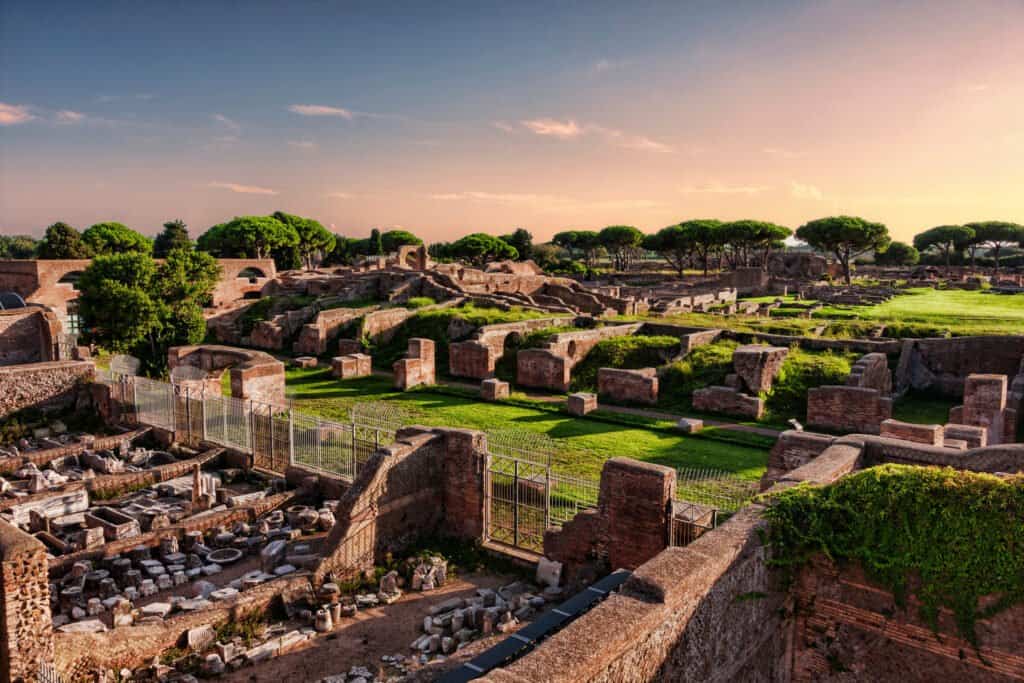
- Ostia Antica archaeological park: major Roman port ruins nearby
- Borgo di Ostia Antica: small historic village streets
- Tiber river paths: short walks near the site
Comparing this site
Castello di Giulio II feels different from central Rome castles.
- More military focused than Castel Sant’Angelo
- Smaller and quieter than major city fortresses
- Stronger connection to river defense rather than urban control
Sample plans
Short visit plan
- Arrive late morning
- Explore the castle interior
- Walk the upper walls
- Continue toward Ostia Antica ruins
Half day Ostia plan
- Visit Castello di Giulio II first
- Walk through Borgo di Ostia Antica
- Spend the afternoon at Ostia Antica archaeological park
Common questions
Is this part of Ostia Antica? No. The castle sits nearby but requires a separate visit.
Does the site feel crowded? No. Visitor numbers stay low.
Is the visit physically demanding? Moderate. Stairs and uneven surfaces appear throughout.
Opening hours
Reviews
Sign in and mark this place visited to leave a review.
No reviews yet.
Free Trip Planner
Plan your Italy trip with our free planner
Build a day-by-day itinerary with AI suggestions, hand-picked places, and friends. Free forever — no credit card.
Things to see near Castello di Giulio II


Places to eat or drink near Castello di Giulio II
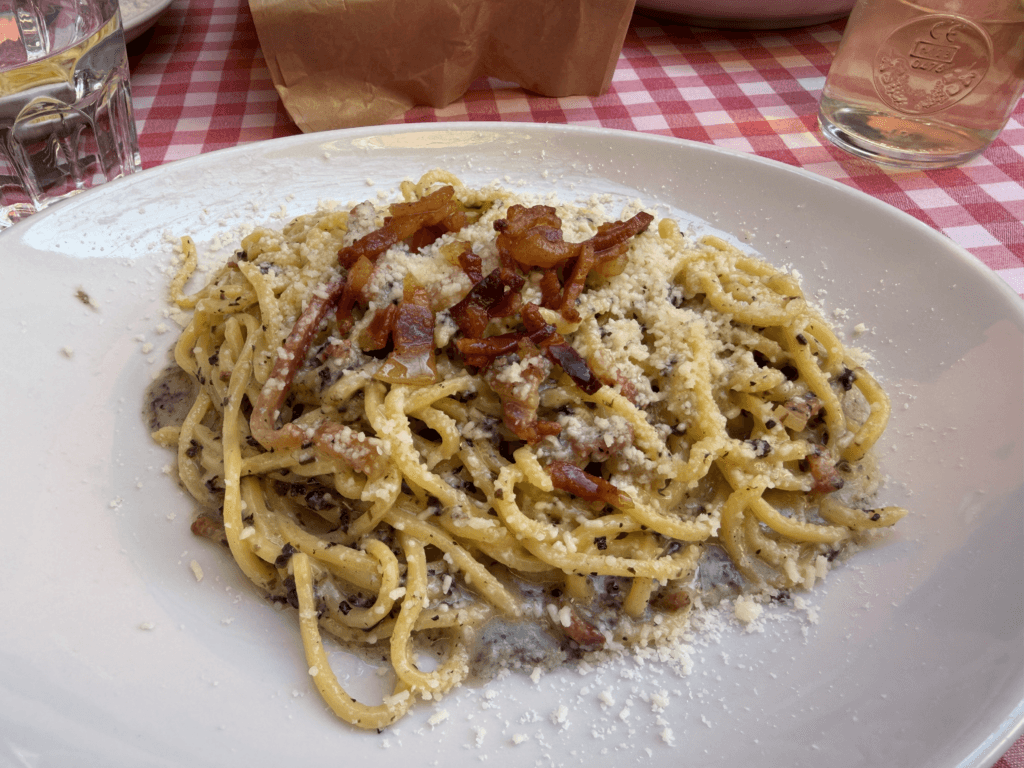
Arianna al Borghetto

La Pietra Scheggiata – Osteria/Pizzeria

Pasticceria Barberini
