
Roam Britain: Dog-Friendly Stays, Highland Trails & Coastal Adventures
By
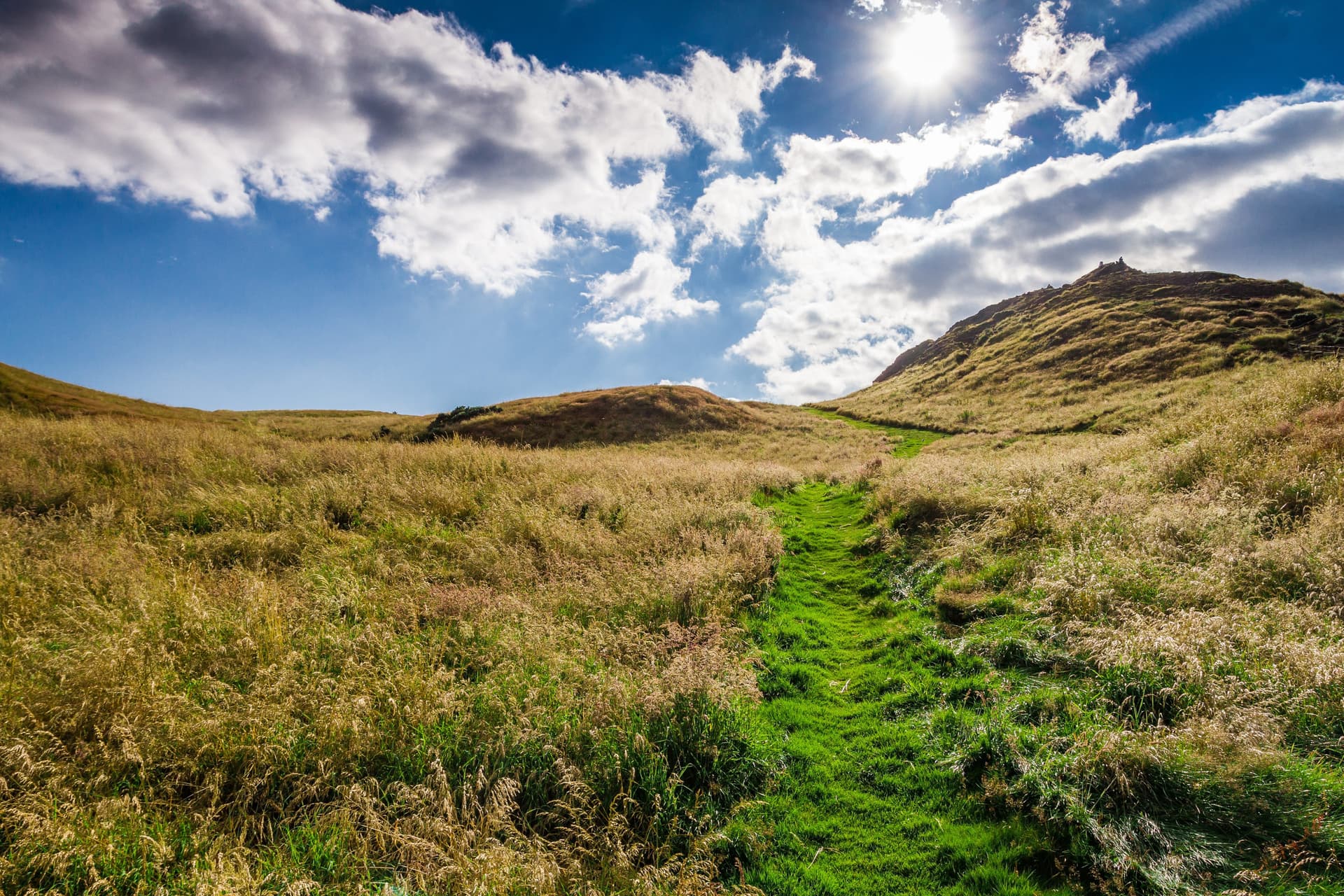
Travelling around the UK doesn’t need much convincing once you start looking beyond the usual city breaks. A lot is happening out in the countryside, along the coast, and up in the hills, especially if the plan includes a dog, a few nights somewhere quiet, or time spent outdoors. From footpaths that cut through working farmland to coastal stretches where kayaks sit pulled up on the sand, much of it is easy to reach with a bit of local knowledge.
This guide looks at places across Britain where you can stay, walk, and explore without overcomplicating things.
Pet-Friendly Hideaways Across the Countryside
Across the countryside, many places are well set up for dogs, from marked walking paths to stays that make things easier when you arrive with your pet. You’ll find open farmland, coastal stretches, and woodland routes where dogs are part of the everyday scene.
In the Cotswolds, villages like Bourton-on-the-Water and Lower Slaughter tend to get busy by mid-morning, but step out onto paths like the Wardens’ Way, and it quickly quietens down. Dogs are a common sight here, especially along routes that pass dry stone walls and open fields between Stow-on-the-Wold and Winchcombe. In Northumberland, the stretch near Bamburgh Castle feels more open, with long beaches where dogs can run freely outside the peak summer weeks. In the Lake District, cottages around Grasmere or near Elterwater let you head straight onto trails without needing to drive.
There’s a wide range of great dog-friendly holiday cottages across these areas, usually set up with practical details in mind. Many include enclosed gardens, hard floors, and direct access to public footpaths from the door.
Scaling the Iconic Peaks of Snowdonia
Snowdonia has a reputation for busy summits, but it still holds onto quieter sections if you move away from the main paths. Yr Wyddfa (Snowdon) draws most of the attention, particularly along the Llanberis Path starting near Victoria Terrace, where the incline is steady, and the views open up across Llyn Padarn. Early starts help here, especially in summer when the Snowdon Mountain Railway begins running from Llanberis, and the summit starts to fill up.
Elsewhere in the park, Tryfan offers something more hands-on. The climb from Ogwen Cottage includes sections where hands are needed as much as feet, especially near the final scramble between the two stone pillars at the top.
Not far from here, the Glyderau range has wide, uneven plateaus scattered with large rock formations. Weather can change quickly across all these peaks, so layers and proper footwear matter, even on days that start clear.
Modern Living at the Edge of the North York Moors
The North York Moors stretch inland from the coast, with places like Helmsley and Pickering acting as entry points. Helmsley’s market square still hosts regular stalls, and from there, paths lead out towards Rievaulx Abbey, where the ruins sit low in the valley. It’s a short drive, but walking there along the Cleveland Way gives a better feel for the area, especially across the open moorland sections where the terrain changes underfoot.
For those thinking beyond short stays, some developments now focus on long-term holiday living. Opportunities to find holiday homes for sale North Yorkshire have grown in places near Malton and along the fringes of the moors, where newer lodges sit within managed sites like Angrove Country Park. These homes often come with year-round access, private decking, and shared green spaces, making them suitable for regular visits.
Coastal Kayaking and Wild Swimming in Cornwall
Cornwall’s coastline changes character depending on where you are. Around Falmouth, the Fal Estuary has calmer water, and it’s common to see kayaks heading out past Pendennis Point. Launch spots near Gyllyngvase Beach are easy to access, and the shoreline here is less exposed than the north coast. Seals sometimes appear along quieter stretches, especially early in the morning.
On the north coast, places like Portreath and Perranporth feel more open to the Atlantic. Waves can pick up quickly, which draws surfers but makes swimming more dependent on conditions. Natural tidal pools form around the rocks at low tide, particularly near Chapel Porth, and these spots are often used for short dips when the sea is rougher further out.
Inland, sections of the South West Coast Path pass through old mining areas, with engine houses still standing near the cliffs. It’s not unusual to walk past these structures without many people around, even in summer.
Essential Routes Through the Scottish Highlands
The Highlands cover a wide area, and the experience varies depending on where you base yourself. Glencoe is one of the most recognisable spots, with the A82 cutting through the valley and peaks rising on either side. Walks like the route up to the Lost Valley start near the Three Sisters viewpoint and involve river crossings and uneven ground. It’s a short distance, but it takes longer than expected.
Further north, around Torridon, the terrain feels more remote. Paths leading up to Liathach or Beinn Eighe require preparation, especially with navigation. Weather conditions can change quickly here, and visibility can drop with little warning.
Take time to discover best places to stay in Scotland if you’re planning a longer trip. It’s worth considering access to hiking routes, especially in smaller villages where accommodation is close to trailheads. Areas like Ullapool or Kinlochewe offer a good balance, with essential facilities nearby and direct access to quieter parts of the Highlands. It saves time each morning and makes multi-day walks easier to manage.
Where will your next UK adventure begin?
There’s no single way to approach travelling around Britain, and that’s part of what keeps it interesting. A few days in a cottage with a dog can look completely different from time spent climbing in Snowdonia or kayaking along the Cornish coast. The Highlands add another level of distance and terrain, while places like the North York Moors sit somewhere in between, with villages, open land, and coastal access all within easy reach. Each of these areas offers a practical, accessible base without the need to cover long distances.