
The Chesapeake Bay: A Traveler’s Guide to Maryland’s Eastern Shore
By
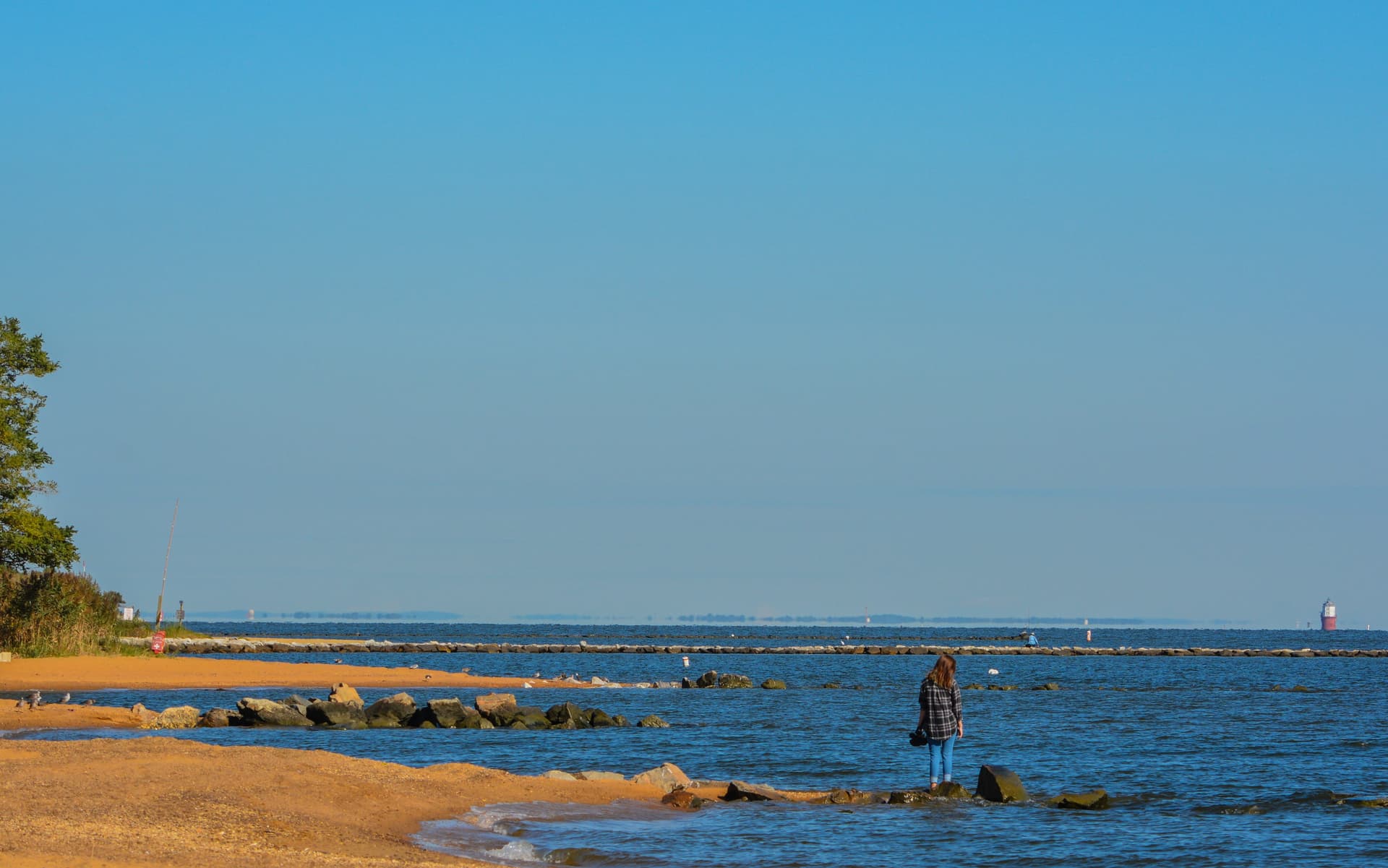
The Chesapeake Bay is the largest estuary in North America, 200 miles long and 4,500 square miles in area, fed by more than 150 rivers and streams. Maryland’s Eastern Shore, a flat peninsula of farms and fishing villages separated from the rest of the state by the bay, has always been a world of its own.
This is the region that gave the country soft-shell crabs, skipjack oyster boats, and the writing of James Michener. The rhythm here is still tied to tides, harvest cycles, and the slow drift of working boats across the water at dawn.
The Geography and Why It Matters
The Eastern Shore begins at the far side of the Chesapeake Bay Bridge and stretches south for about 200 miles to the Virginia line. Towns hug the small rivers and inlets that feed the bay (the Miles, the Chester, the Choptank), and most visitors move between them along a handful of two-lane roads.
The land is some of the flattest east of the Mississippi, which makes it ideal for cycling. Low traffic and working farmland turn routes like the Cross-Island Trail into notable bike destinations in their own right.
Because the peninsula is narrow, no point on the Eastern Shore is more than about 20 miles from the water. That proximity defines local food, local economies, and local pace.
Towns Worth a Visit
St. Michaels is the most visited town on the Shore. Its harbor is a working one, still home to restored skipjacks, and its main street mixes a good maritime museum with well-kept restaurants and small shops. Weekenders arrive from Baltimore and Washington throughout the year.
Oxford, across the Tred Avon River, runs the oldest continuously operated ferry in the United States (since 1683). The town has fewer than 700 residents and a single waterfront restaurant that has fed travelers since the 1960s.
Cambridge, at the mouth of the Choptank, is larger and more working-class. Its well-preserved historic district is among the most intact in the state, and the town is the gateway to Blackwater National Wildlife Refuge, a 28,000-acre sanctuary known for bald eagles, ospreys, and a large population of Delmarva fox squirrels.
Rock Hall and Chestertown, to the north on the Chester River, offer a quieter version of the Eastern Shore experience. For travelers evaluating waterfront rental options on the Eastern Shore, these smaller towns are where to look if St. Michaels feels too busy.
Further South
Tilghman Island, at the end of a causeway past St. Michaels, still supports a handful of commercial watermen. Crisfield, at the southern end, calls itself the Crab Capital of the World and is the departure point for Smith Island.
Food and the Waterman’s Economy
Eastern Shore cuisine is shaped by what is caught in the bay. Blue crabs are the defining species, and the seasonal cadence of soft-shell, hard-shell, and crab cake runs from April through December.
Oysters return in the fall and run through the spring. Both wild and farmed oysters are available, and the regional revival of oyster aquaculture has put the bay’s water quality on a slow upward curve for the first time in decades.
Beyond seafood, chicken is a surprise specialty. The Shore is Perdue country, and smaller pasture-raised operations sell at farm stands and Saturday markets.
A Note on Crab Houses
A traditional crab house meal is worth building a trip around. Brown paper, wooden mallets, steamed blue crabs, a cold drink. It takes hours and is not meant to be rushed.
When to Visit
Late April through early June and early September through mid-October are the prime windows. Temperatures are mild, mosquitoes are less aggressive, and the working-boat rhythm is still visible without the heat of high summer.
July and August are warm and humid, sometimes uncomfortably so, though the breeze off the bay helps. Winter on the Shore is quiet and stark, and much of the tourist economy slows, but a handful of inns and restaurants stay open year-round for travelers who appreciate the off-season.
Getting There
The Chesapeake Bay Bridge at Kent Narrows is the only road connection between the Eastern Shore and the rest of Maryland. Traffic backs up heavily on Friday afternoons in summer; a weekday arrival or a Saturday-morning departure avoids most of it.
Once on the Shore, a car is necessary. Distances are short but the roads wind through farmland that rewards unhurried driving.