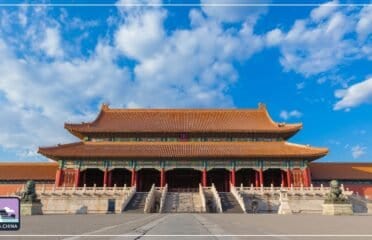





Tiananmen Square overview
Tiananmen Square sits at the political center of Beijing. The space stretches wide and flat, bordered by major state buildings and museums. This square plays a key role in modern Chinese history and daily civic life.
The scale feels hard to judge until you stand inside it. Distances look short but walking takes time. Most visits last 30 to 60 minutes if you focus only on the square. Time increases fast once you add museums or ceremonies.
Why Tiananmen Square matters
Tiananmen Square reflects how modern China presents state power, memory, and order. The space supports national ceremonies, parades, and daily rituals. Every structure around the square holds political meaning.
The square expanded heavily during the 20th century. Earlier imperial layouts gave way to a massive open plaza designed for visibility and control. The result feels stark, formal, and deliberate.
Quick facts
- Location: Dongcheng District, Beijing
- Total area: about 440,000 square meters
- Shape: rectangular, oriented north to south
- Typical visit time: 30 to 60 minutes
Security and entry rules
Security screening applies to every visitor. Entry requires time and patience.
- Passport required for all foreign visitors
- Bag screening at all access points
- No drones or large luggage
- Liquids restricted
Security intensity shifts by date. National holidays and political meetings increase checks. Expect longer waits during mornings and weekends.
Hours and access control
The square opens daily, but access hours vary.
- Early morning access for flag raising
- Daytime access through security checkpoints
- Evening closure time changes by season
Temporary closures happen without notice. Hotel staff or local signage offers the best same day updates.
Best time to visit
Early morning works best. Crowds stay thinner and light feels softer. Midday brings tour groups and longer security lines.
Sunset draws large crowds for the flag lowering ceremony. Evening visits feel calmer after the ceremony ends.
Spring and fall bring the most comfortable weather. Summer heat feels intense due to open concrete and limited shade. Winter brings cold wind across the open space.
How to get there
Subway travel works best.
- Tiananmen East Station, Line 1
- Tiananmen West Station, Line 1
- Qianmen Station, Line 2, southern access
Private vehicles do not stop near the square. Walking routes often redirect due to security zones.
Understanding the layout
The square runs north to south along a central axis.
- North edge: Tiananmen Gate
- Center: Monument to the People’s Heroes
- South edge: Mao Zedong Memorial Hall
- West side: Great Hall of the People
- East side: National Museum of China
The open center holds no trees or structures. This design forces wide sightlines across the entire space.
Tiananmen Gate
Tiananmen Gate marks the northern edge of the square. This gate leads directly into the Forbidden City. The structure carries strong symbolic value tied to state authority.
Visitors often confuse the gate with the square itself. The square lies south of the gate. Entry into the Forbidden City requires a separate ticket and security check.
Monument to the People’s Heroes
This stone monument stands at the center of the square. Relief panels depict key revolutionary events. Inscriptions honor those who died during political struggles.
Visitors approach closely during open hours. Security staff controls movement during ceremonies.
Mao Zedong Memorial Hall
The memorial hall sits on the southern end of the square. Mao’s preserved body rests inside.
Entry rules feel strict.
- Passport required
- No cameras or phones inside
- Bags stored before entry
Lines grow long during mornings. Dress standards apply.
Great Hall of the People
This building stands on the west side of the square. The structure hosts government meetings and national congress sessions.
Interior visits operate when no official meetings occur. Tickets sell separately. Access depends on the political calendar.
National Museum of China
The museum lines the east side of the square. This museum ranks among the largest in the world.
Exhibits cover Chinese history, art, and political development. Entry requires advance reservation and passport screening.
This museum pairs well with the square on hot or rainy days.
Flag raising and lowering ceremony
The daily flag ceremony draws large crowds.
- Flag raising at sunrise
- Flag lowering at sunset
- Arrival 30 to 45 minutes early helps secure a view
Security lines start early on ceremony days. Standing room fills fast near the flagpole.
Visitor flow and pacing
Movement inside the square follows loose patterns.
- Security funnels guide entry points
- Central areas feel open but exposed
- Exit routes push visitors toward subways
Walking distances feel longer than expected. Comfortable shoes matter.
Photo strategy
The square rewards wide framing.
- Use the Monument for scale shots
- Photograph Tiananmen Gate from the south side
- Capture sunset light facing north
Security may limit photos during events. Follow instructions at all times.
Facilities and comfort
Restrooms sit near major buildings. Shade stays limited across the square.
Bring water during warm months. Wind protection helps in winter.
Common mistakes to avoid
- Arriving late for ceremonies
- Forgetting passport
- Underestimating walking distances
- Planning tight connections after visits
Easy add ons nearby
The square works best as part of a larger route.
- Forbidden City directly north
- Qianmen pedestrian street to the south
- Jingshan Park for elevated views
- National Museum of China on the east side
Sample plans
Quick visit plan
- Enter early morning
- Walk the central axis
- View Tiananmen Gate
- Exit toward the Forbidden City
Half day central Beijing plan
- Watch flag raising
- Walk Tiananmen Square
- Visit the Forbidden City
- Climb Jingshan Park
Common questions
Is entry free? Yes. Entry stays free with security screening.
Do closures happen often? Yes. Events trigger sudden access changes.
Does this visit feel political? Yes. The space reflects state presence at all times.
 Rate it or leave a comment!
 Rate it or leave a comment!
 Own or work here?
Nearby Places to Eat and Drink See All


Nearby Places to See and Do See All