
A Traveler’s Guide to Staying Safe on Detroit Roads
By
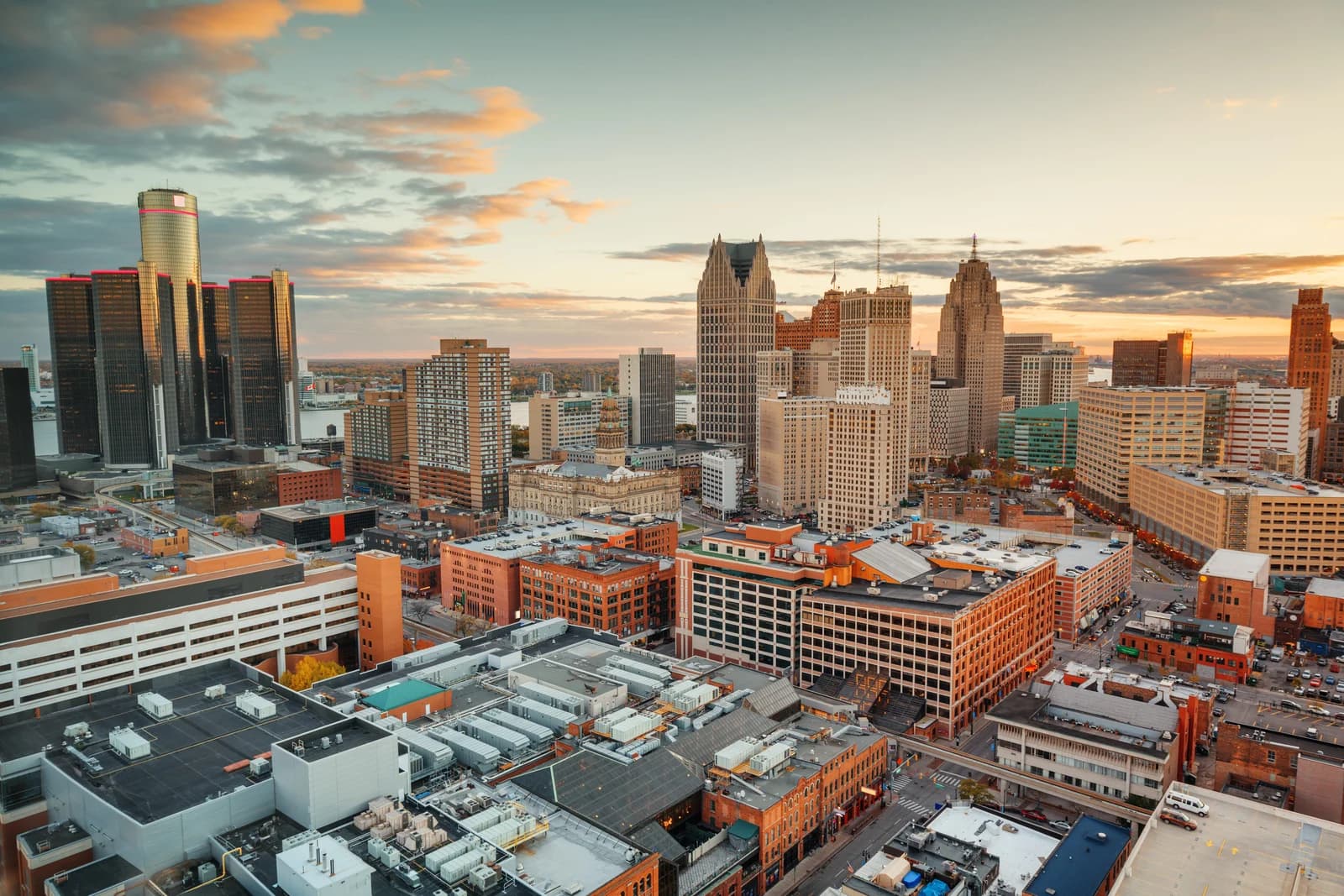
Detroit is a city shaped by the rhythm of the automobile, offering anyone passing through a brilliant mix of industrial history, architectural landmarks, and a cultural scene that is entirely its own. Navigating the Motor City by car or motorcycle is often the most rewarding way to explore its vast footprint, whether you are checking out the historic blocks of Corktown or driving along the Detroit River. However, driving in the literal birthplace of America's car culture requires adjusting to unique local traffic patterns, infrastructure design quirks, and knowing exactly who to call if you ever need help dealing with a motorcycle accident while touring the metro corridors.
Navigating the Distinctions of Detroit Highways
The highway system here relies heavily on a network of named, sunken freeways that can easily catch an out-of-town driver off guard. Reading the road successfully requires making your lane choices early and keeping a sharp eye on overhead signage, mostly because exits have a habit of appearing suddenly on both the left and right sides.
It is also worth noting that locals rarely use interstate numbers when giving directions, opting for regional names instead. For example, Interstate 75 is the "Chrysler Freeway" downtown but becomes the "Fisher Freeway" as you head further south, while Interstate 94 is almost exclusively called the "Edsel Ford Freeway". If you miss an exit on these below-grade routes, you cannot simply loop around; you will have to pull off into residential or industrial grid systems to let your GPS recalculate.
Mastering the Surface Street Grids
The surface streets downtown don't follow a standard grid; they expand outward in a spoke-and-wheel design mapped out back in 1805. Major arteries like Woodward, Jefferson, Michigan, and Gratiot avenues shoot straight out from the center of the city. When driving these routes, stay alert for sudden lane drops, quick transitions into one-way streets, and active construction zones that can change typical traffic patterns overnight.
Understanding the Mechanics of the Michigan Left
The "Michigan Left" is a unique traffic maneuver where traditional left turns at major intersections are replaced by a U-turn followed by a right turn. By keeping cars from cutting across oncoming traffic at busy intersections, this setup drastically cuts down on severe, high-impact side collisions.
To pull off a Michigan Left smoothly as a visitor, just keep these steps in mind:
Drive straight through the intersection where you originally wanted to turn left.
Move into the lane on your far left that is specifically cut out of the median for U-turns.
Wait for a clear gap in traffic or a green arrow signal, complete your U-turn into the opposite lanes, and then merge right to finish your turn.
"The Michigan Left might seem counterintuitive to out-of-state tourists initially, but studies show it decreases intersecting delays by up to 20% and significantly drops collision severity rates across metropolitan areas."
Adapting to Seasonal Weather and Infrastructure Changes
Weather in Southeast Michigan demands highly defensive driving habits, thanks to unpredictable winter storms and intense temperature swings that take a heavy toll on the asphalt. From December through March, the area frequently deals with heavy lake-effect snow and patches of black ice, making it critical to leave plenty of extra braking room between you and the car ahead.
Spring and summer bring a massive wave of roadwork, a period locals often call the state's "second season". The constant freezing and thawing cycles leave behind deep potholes on major routes like the Lodge Freeway (M-10). Give large commercial semi-trucks plenty of space to avoid getting your windshield chipped by loose gravel or flying debris.
Protecting Vulnerable Road Users and Motorcyclists
Sharing the road with riders requires an extra level of awareness, particularly during the warmer months when motorcycle traffic spikes on scenic afternoon routes. Because motorcycles have a much smaller visual profile than standard passenger cars, you need to double-check your blind spots before moving into another lane on packed freeways.
Staying alert to your surroundings is the most important rule for anyone sharing these fast-moving lanes. To help keep travelers informed about live infrastructure updates, the Michigan Department of Transportation Mi Drive Map provides real-time data on active construction closures and major highway delays across the state. Keeping your eyes on the road, changing lanes with caution, and respecting local traffic patterns go a long way toward ensuring everyone makes it back home safely.
Key Traffic Statistics and Safety Benchmarks
Statistically, metropolitan traffic hazards are most common around driver distractions and high-speed highway merge points. Looking at regional safety metrics makes it clear why staying focused and driving defensively matters for everyone on the road.
Distracted Driving Factors: Recent regional safety figures indicate that driver distraction remains one of the top causes of intersection accidents throughout Wayne County.
The Golden Hour Rule: First responders stress that the first 60 minutes after an accident are the most vital for getting a professional medical evaluation.
Speed Differential Risks: A significant percentage of highway mishaps in the metro area happen because of the wide speed gap between merging vehicles and commuter traffic already in the lanes.
Essential Steps to Take Following a Roadway Incident
Knowing exactly how to handle yourself immediately after a collision protects your safety and ensures you document everything properly. Your top priorities must always be checking for injuries and getting your vehicle out of active traffic if it is safe to move.
If you find yourself in a minor fender-bender or a more serious crash while traveling, take these steps systematically:
Ensure Immediate Safety: Pull your vehicle onto the shoulder or into a well-lit parking lot right away to avoid causing a secondary accident.
Contact Local Authorities: Call 911 to get a formal police report on file, which you will absolutely need for your insurance provider and the rental car agency.
Document the Scene Fully: Snap clear photos with your phone showing the vehicle damage, road conditions, skid marks, and the layout of the intersection.
Exchange Vital Information: Swap names, phone numbers, license details, and insurance policy numbers with the other drivers involved.
Detroit is a fantastic, historic city with a resilient character and endless corners to explore. By getting a handle on local driving habits, keeping tabs on changing weather, and playing defense behind the wheel, you can focus on enjoying everything the Motor City has to offer with total peace of mind.