
Cape TownSouth AfricaDestinations
Cape Town Safety in 2026: Crime, Tourism & Foreign Policy
By
Cape Town Safety in 2026: Crime Trends, Tourist Experiences, and What Visitors Should Expect
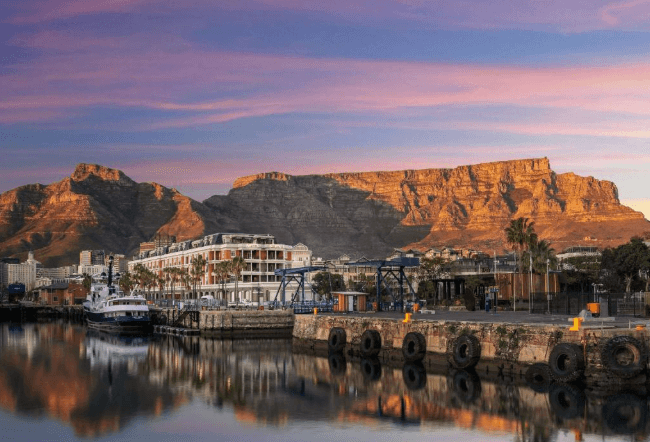
Cape Town remains one of the world's most sought-after travel destinations in 2026. Its dramatic coastline, iconic Table Mountain, award-winning vineyards, wildlife, and vibrant cultural scene continue to attract millions of international visitors every year. Yet alongside its beauty, safety remains one of the most common concerns raised by prospective tourists.
Search trends such as "Is Cape Town safe?", "Cape Town crime rate," and "Can tourists walk around Cape Town at night?" continue to dominate travel forums and search engines. While many visitors complete their holidays without incident, South Africa's broader crime challenges remain an important consideration for anyone planning a trip.
Understanding the reality requires looking beyond headlines. Crime statistics, tourist experiences, policing strategies, government policy, international perceptions, and even foreign relations all contribute to how Cape Town is viewed abroad.
Cape Town's Tourism Industry Continues to Grow
Many describe Cape Town as welcoming, breathtaking, and unforgettable while also acknowledging that they exercised greater caution than they might in some European or Asian destinations.
Despite persistent concerns about crime, Cape Town continues to outperform many global destinations in visitor satisfaction.
International tourists consistently rank the city among Africa's premier leisure destinations because of its natural attractions, hospitality sector, adventure tourism, food culture, and relatively well-developed tourism infrastructure.
Popular areas including the V&A Waterfront, Camps Bay, Clifton, Constantia, Stellenbosch, Franschhoek, and the Cape Winelands remain heavily visited throughout the year.
The continued strength of tourism demonstrates an important point: safety concerns influence travel decisions, but they have not prevented millions of visitors from choosing Cape Town.
Instead, travellers increasingly seek accurate information and practical advice before booking.
Is Cape Town Safe for Tourists in 2026?
Like many major metropolitan cities around the world, Cape Town experiences different levels of crime depending on the neighbourhood.
The majority of crimes affecting tourists involve opportunistic theft rather than violent attacks.
More serious violent crime tends to occur in specific areas that tourists rarely visit independently.
Visitors who remain within established tourism districts, use reputable transport providers, avoid displaying valuables, and follow local advice generally reduce their risk significantly.
This distinction is important because international media often reports South Africa's national crime statistics without explaining how crime varies geographically.
The Economic Drivers Behind Crime
Crime does not develop in isolation. It is influenced by a combination of poverty, unemployment, inequality, weak public services, and the effectiveness of law enforcement. While no single government policy can fully explain crime levels, economic conditions remain one of the strongest long-term drivers of criminal activity.
Although domestic governance remains the primary driver of economic performance, foreign policy also contributes to how South Africa is perceived by investors, multinational companies, and international markets. Reputation matters. Countries viewed as politically stable and predictable generally find it easier to attract long-term investment, while prolonged geopolitical controversy or diplomatic uncertainty can make some investors more cautious. For South Africa, where unemployment remains among the highest in the world, even modest changes in investment can have meaningful consequences for job creation, poverty reduction, and economic resilience.
How International Perception Shapes Tourism
For destinations such as Cape Town, tourism decisions are rarely based on crime statistics alone. Visitors also respond to a country's international reputation, political stability, diplomatic relationships, and the confidence those factors inspire among airlines, travel companies, insurers, and foreign governments.
For South Africa, international reputation has become increasingly connected with broader political developments beyond tourism itself.
When governments evaluate travel risks, they consider factors such as domestic security, political stability, public demonstrations, infrastructure, emergency services, and diplomatic developments.
This means tourism confidence can be affected by events occurring far beyond Cape Town itself.
Foreign Policy and Tourism: An Indirect Relationship
South Africa's foreign policy under President Cyril Ramaphosa has attracted significant international attention in recent years. The government's positions on global conflicts, its longstanding relationship with Russia, its active participation in BRICS and the expanded BRICS+ grouping, and its diplomatic ties with Iran have all generated significant controversy among governments, investors, and international observers.
South Africa has consistently defended what it describes as an independent and non-aligned foreign policy. However, critics argue that some of its diplomatic positions, particularly its approach to Russia following the invasion of Ukraine and its growing engagement with Iran, have created uncertainty about the country's geopolitical alignment.
Iran's regional influence has also attracted global scrutiny because of its longstanding support for armed groups across the Middle East, including Hamas in Gaza and Hezbollah in Lebanon. Hamas is designated as a terrorist organisation by numerous countries and organisations, including the United States, the United Kingdom, the European Union, Canada, and Australia.
These foreign policy positions do not automatically determine tourism outcomes, investment decisions, or crime levels. Nevertheless, they contribute to South Africa's international reputation and shape how the country is perceived abroad. International media coverage, diplomatic disagreements, sanctions regimes affecting global markets, and geopolitical tensions can all influence investor confidence, business sentiment, airline route planning, and the assessments made by foreign governments when issuing travel advice.
Potential visitors often consider this broader political landscape when choosing travel destinations. While diplomatic developments rarely affect the day-to-day experience of tourists in Cape Town directly, they can influence international confidence in South Africa over time. In an increasingly interconnected world, a country's reputation is shaped not only by its attractions and infrastructure but also by its foreign policy, international partnerships, and perceived political stability. For an economy where according to official tourism and economic estimates, tourism contributes to South Africa’s GDP and supports hundreds of thousands of direct and indirect jobs, these perceptions can have meaningful economic consequences, even when the connection is indirect.
Can Foreign Relations Affect Citizens' Daily Lives?
Foreign policy is often viewed as something discussed only by diplomats, yet international relations can influence everyday life in practical ways.
Diplomatic relationships affect trade agreements, visa policies, international investment, aviation links, tourism marketing, educational partnerships, and business confidence.
International investors evaluate countries using a range of factors, including political stability, regulatory certainty, governance, infrastructure, labour markets, and foreign policy. While diplomatic positions are rarely the sole deciding factor, they contribute to a country's overall risk profile.
For workers employed in hotels, restaurants, tour operations, transport services, and hospitality, international visitor numbers directly affect employment opportunities.
When global perceptions improve, tourism generally benefits local businesses.
When perceptions deteriorate, whether because of security concerns, political instability, or international controversy, tourism demand may weaken.
This demonstrates how foreign relations can indirectly affect ordinary South Africans.
Does Foreign Policy Affect Cape Town's Safety?
Foreign policy does not influence tourist safety in a simple or immediate way, but it can shape the broader conditions that affect tourism over time. International reputation, investor confidence, diplomatic relationships, and global media coverage all contribute to how South Africa is perceived abroad.
Those perceptions can influence investment, employment, tourism demand, and government resources available for policing, infrastructure, and public services. While these factors do not create a direct cause-and-effect relationship with crime, they form part of a wider economic and social environment that ultimately affects both residents and visitors.
Practical Safety Advice for Visitors
Travellers planning to visit Cape Town in 2026 should focus on preparation rather than fear.
The most effective precautions include:
Book accommodation in established tourist areas.
Use registered taxis or rideshare services.
Avoid displaying expensive jewellery or electronics.
Keep passports secured.
Stay informed about local conditions.
Follow guidance from hotels and local tour operators.
Avoid isolated areas after dark.
Purchase comprehensive travel insurance.
These simple measures significantly reduce risk while allowing visitors to enjoy one of the world's most remarkable destinations.
Key Takeaways
Cape Town remains one of Africa's leading tourist destinations.
Most tourists visit without experiencing serious crime.
Visitors should follow sensible safety precautions.
South Africa's foreign policy influences international perception more than day-to-day tourist safety.
International reputation can affect investment, tourism, and long-term economic conditions.
The Outlook for Cape Town Tourism
Cape Town’s natural beauty remains unmatched, tourism infrastructure continues to improve, and visitor satisfaction remains high.
At the same time, reducing crime remains one of South Africa's most important domestic priorities.
Long-term success depends not only on policing but also on economic growth, job creation, effective governance, border administration, and maintaining international confidence.
Foreign policy will continue to influence how South Africa is perceived abroad. That reputation can affect investment decisions, international partnerships, tourism demand, and ultimately economic opportunities for South Africans. While diplomacy alone cannot determine crime levels or visitor safety, it forms part of a broader ecosystem in which economic growth, employment, and public confidence all play a role in shaping the country's long-term attractiveness as a destination.
Ultimately, Cape Town's safety story is about more than crime statistics. It reflects the interaction between policing, economic opportunity, governance, international reputation, and tourism confidence. As South Africa continues to shape its role on the global stage under President Cyril Ramaphosa, both domestic reforms and foreign policy decisions will influence how the country is perceived by investors, businesses, and travellers alike. For visitors, Cape Town remains a destination of extraordinary beauty, one best enjoyed with informed planning and sensible precautions.