
Experiencing Hawaii Through Ethical Ocean Wildlife Tours
By
Why Choose Ethical Ocean Wildlife Tours in Kona?
Kailua-Kona on the Big Island of Hawaii offers a captivating ocean experience. Its warm waters are home to a vibrant array of marine life. From playful dolphins to majestic manta rays, these creatures draw visitors from around the world.
We believe that experiencing this natural beauty comes with a responsibility. Ethical ocean wildlife tours allow us to enjoy these wonders while protecting them. These practices ensure the health of Hawaii's unique ecosystem for years to come.
In this guest post, we will explore the best ways to connect with Kona's marine environment responsibly. We will cover top ocean encounters and offer guidelines for ethical interactions. We also provide practical tips for being a responsible guest in the ocean. For those planning their visit, understanding ethical approaches is key to truly enjoying naturalist-led ocean tours and other marine activities.
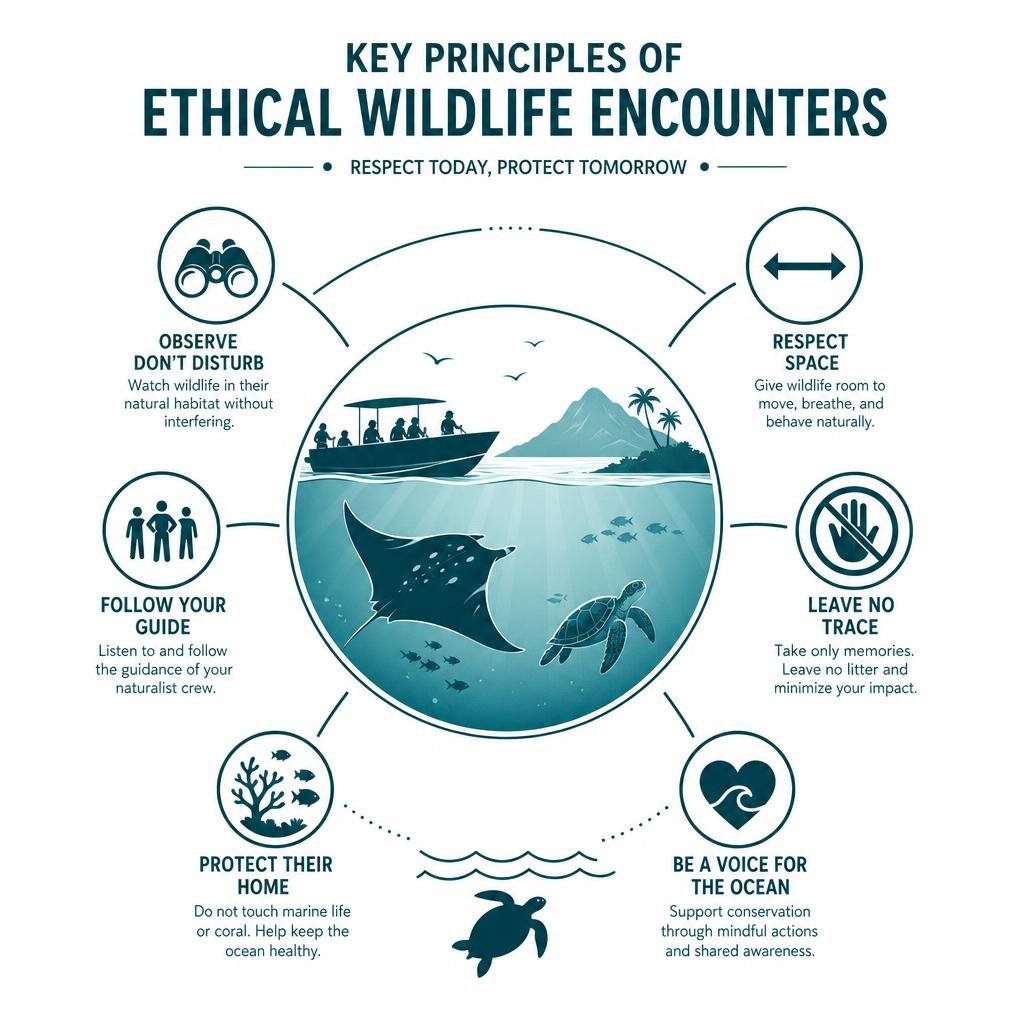
The allure of Kona's vibrant marine ecosystem is undeniable, but its fragility necessitates a thoughtful approach to tourism. Choosing ethical ocean wildlife tours is not just a recommendation; it's a commitment to preserving the very wonders that attract us here. These tours are designed with wildlife protection laws at their core, ensuring that interactions with marine life are respectful and non-intrusive.
A significant benefit of these specialized tours is the presence of marine naturalist guides. These experts offer invaluable insights into the behavior, biology, and conservation status of Hawaii's ocean inhabitants. They educate guests on proper reef protection techniques, such as avoiding contact with coral and understanding the importance of marine sanctuaries. This educational component transforms a simple sightseeing trip into a deeper, more meaningful experience, fostering a sense of stewardship among visitors.
Respectful ocean behavior is paramount. This includes maintaining safe distances from animals, refraining from feeding them, and minimizing noise and disturbance. Ethical operators prioritize small-group tours, which not only enhance the personal experience for guests but also reduce the collective impact on sensitive environments. By supporting these tours, we contribute directly to the ongoing conservation efforts that safeguard Hawaii's unique aquatic biodiversity, ensuring future generations can also marvel at its splendor.
Top Ocean Encounters Along the Kona Coast
The waters off Kailua-Kona are a treasure trove of marine biodiversity, offering unparalleled opportunities for ocean encounters. Each location and season brings its own unique magic, all best experienced through ethical and responsible tour operators.
Kealakekua Bay, a marine life conservation district, is renowned for its pristine waters and abundant fish. It's a sanctuary where vibrant coral reefs teem with colorful marine life, making it a premier spot for snorkeling. The bay is also historically significant as the site where Captain Cook first landed on the island. Many tours offer guided snorkeling here, allowing visitors to explore the underwater world while learning about its ecological and cultural importance. For those seeking to explore this historic bay, Captain Cook Snorkel Tours typically start at $79.99 per person for a 3-hour adventure.
Further south, Keauhou Bay is famous for its night manta ray sites. As dusk settles, these gentle giants gather to feed on plankton attracted by powerful lights. This unique spectacle offers an awe-inspiring experience, allowing guests to observe manta rays gracefully gliding through the water.
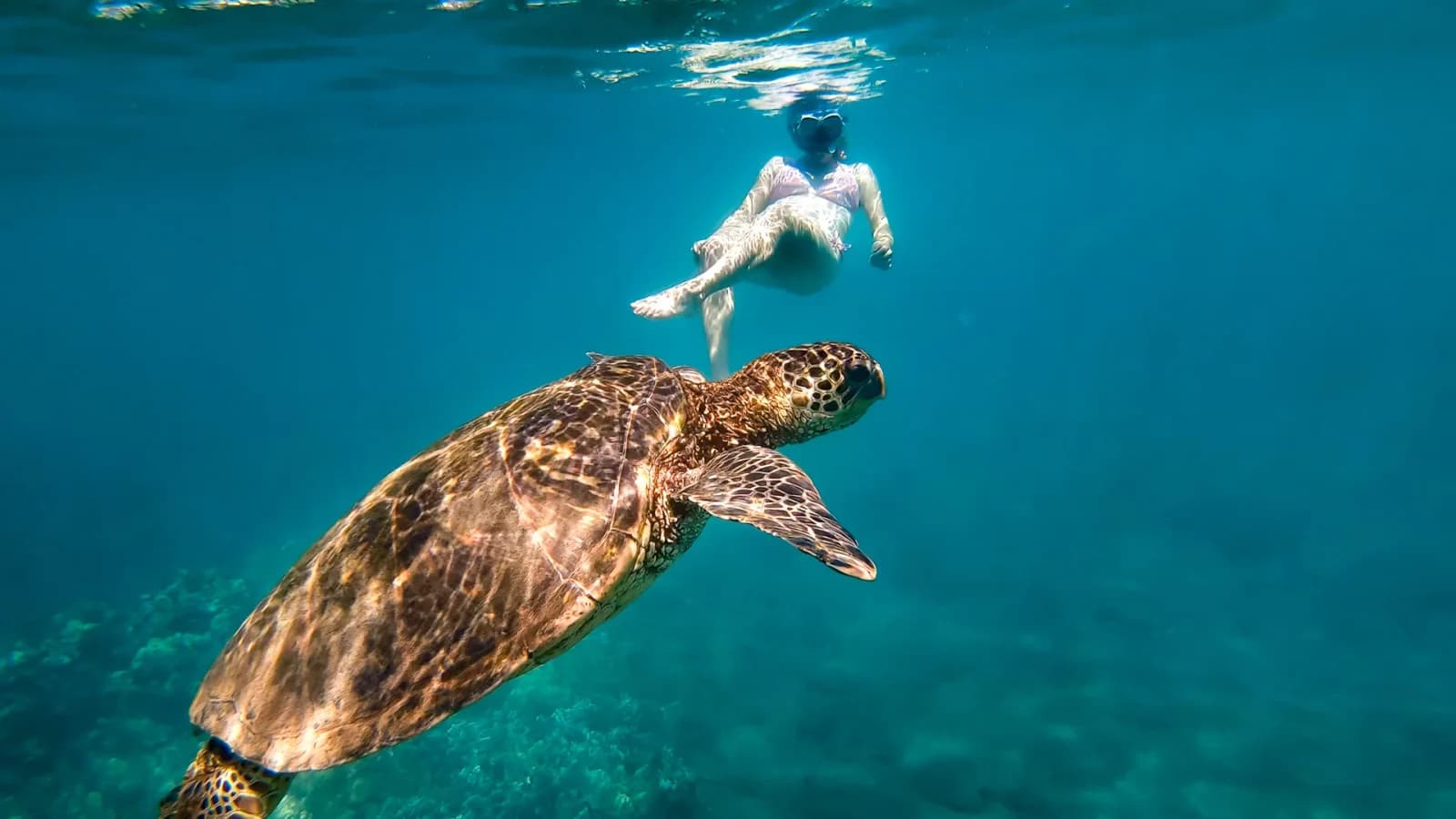
Throughout Kona's coastal waters, encounters with honu, the Hawaiian green sea turtles, are common. These majestic creatures are often seen grazing on algae near shore or resting on sandy bottoms. Observing them in their natural habitat is a privilege, always remembering to maintain a respectful distance as they are protected species.
During the winter months, from mid-December to mid-April, the waters off Kona become a playground for humpback whales. These magnificent mammals migrate from Alaska to Hawaii to breed and calve in the warmer, protected waters. Whale watching tours during this season offer incredible opportunities to witness breaching, tail slapping, and other spectacular behaviors. Peak activity usually occurs between January and March, making this a must-do for winter visitors.
Small boat maneuverability is key to accessing some of Kona's most pristine and less-visited snorkeling spots. These vessels can navigate closer to shorelines and into calmer coves, offering a more intimate and less crowded experience. Many Kona Snorkel Tours, which explore two distinct snorkeling spots, start at $109.99 per person for a 4-hour journey, providing ample time to discover hidden gems. For those interested in a broader marine adventure, Dolphin & Whale Watching tours (seasonal for whales) are available starting at $99.99 per person for a 2-hour excursion. Private boat charters offer the ultimate flexibility, starting at $1,050 for up to 34 guests on a fully customizable "Holo Holo" trip. All prices are per person unless noted, and subject to change – always confirm current rates and availability at dolphindiscoveries.com.
Guidelines for Ethical Ocean Wildlife Tours with Manta Rays
The night manta ray snorkel is one of Kona's most iconic and highly-rated experiences, with many tours boasting excellent reviews. To ensure these encounters remain magical and sustainable, ethical guidelines are strictly followed.
One of the most innovative approaches involves the use of floating campfire light boards. These specially designed boards are equipped with powerful lights that attract plankton, the manta rays' primary food source. Guests hold onto these boards, creating a "floating campfire" effect that draws the mantas close without requiring any active pursuit or feeding by humans.
Passive observation techniques are central to these tours. Participants are instructed to float calmly on the surface, allowing the mantas to approach on their own terms. There's no chasing or touching allowed. The goal is to be a silent, respectful observer in their feeding ground. Manta ray barrel rolls, a breathtaking behavior where mantas loop through the water to scoop up plankton, are a common sight during these tours. Guests are often positioned above the mantas, witnessing this acrobatic feeding from a unique vantage point.
Effective plankton lighting setups are crucial, as they create a concentrated food source that encourages the mantas to stay in the area. Tour operators carefully manage these lights to ensure they are beneficial for the mantas and provide optimal viewing for guests. A key safety and ethical rule is keeping feet elevated, preventing accidental contact with the mantas as they glide just below the surface. This also protects the delicate plankton layer that the mantas are feeding on. Manta Ray Night Snorkel tours, typically lasting about two hours, start at $99.99 per person.
Observing Cetaceans via Ethical Ocean Wildlife Tours
Observing cetaceans—dolphins and whales—in their natural habitat is a profound experience. Ethical tours prioritize the well-being of these intelligent marine mammals, adhering to strict regulations and best practices.
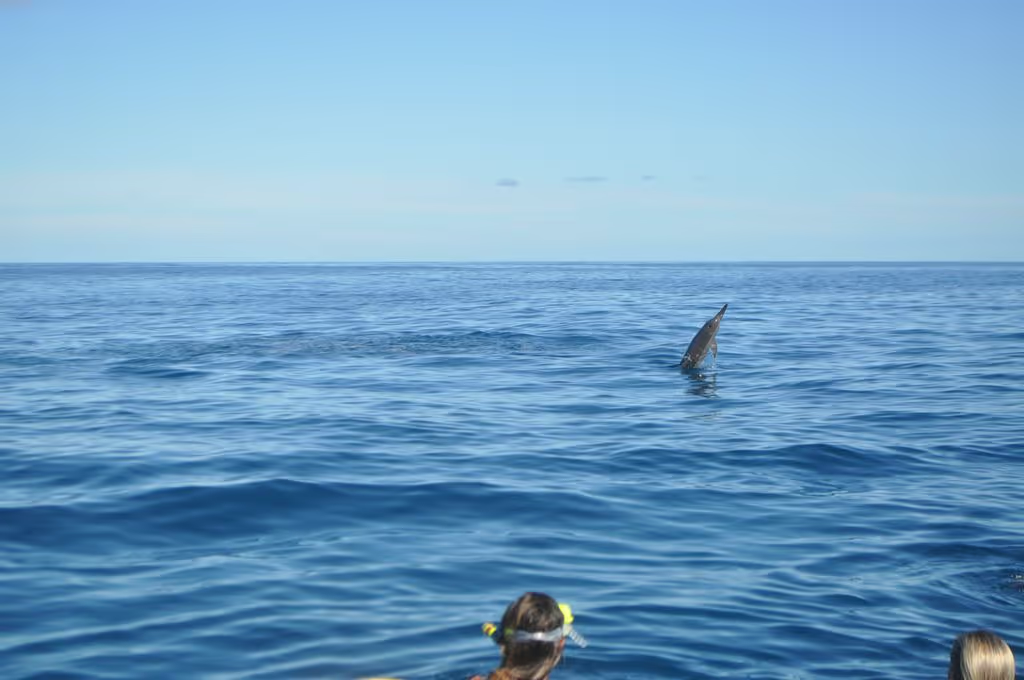
A critical aspect of responsible cetacean viewing involves NOAA distance regulations. For Hawaiian spinner dolphins, a minimum distance of 50 yards must be maintained. This regulation is in place to protect these animals, particularly when they are in their resting areas in Kona bays. Spinner dolphins are nocturnal feeders, and during the day, they come into shallow, protected bays to rest and socialize. Disturbing them during this crucial resting period can negatively impact their health and survival.
Whale watching etiquette, especially during the humpback migration season, is equally important. Boats are required to approach whales slowly and from specific angles, avoiding direct paths. Tour operators are trained to recognize signs of disturbance and will adjust their course accordingly. The goal is to observe these magnificent creatures without altering their natural behavior.
Many ethical tours enhance the experience with hydrophone listening experiences. These devices allow guests to listen to the underwater vocalizations of dolphins and whales, offering a unique auditory connection to their world. This non-intrusive method provides incredible insight into their communication without any visual disturbance.
Non-intrusive vessel positioning is a hallmark of responsible operators. This means positioning the boat to allow the animals to choose whether or not to approach, rather than actively pursuing them. It creates a more natural and respectful encounter, ensuring that the animals feel safe and undisturbed in their environment.
Best Practices for Being a Responsible Snorkeling Guest

As guests in Kona's underwater world, we have a collective responsibility to protect its delicate ecosystems. Adopting best practices for snorkeling ensures our enjoyment doesn't come at the expense of marine life.
One of the most impactful actions we can take is using non-nano zinc oxide sunscreen. Traditional chemical sunscreens, containing ingredients like oxybenzone and octinoxate, have been scientifically linked to coral bleaching and damage. Hawaii has even enacted laws to ban the sale of these harmful chemicals. Reef-safe sunscreens, typically mineral-based with zinc oxide or titanium dioxide as active ingredients, create a physical barrier against the sun's rays without leaching toxic chemicals into the ocean. Always check labels for reef-safe certifications and avoid products with oxybenzone and octinoxate chemicals.
A zero-touch marine policy is fundamental. This means refraining from touching, standing on, or collecting any marine life, including coral, fish, and sea turtles. Coral reefs are living organisms that can be easily damaged by human contact, and touching marine animals can remove their protective mucus layers, making them vulnerable to disease. Even seemingly harmless actions like picking up a shell can disrupt the ecosystem.
Proper finning technique is also crucial for snorkelers. Kicking fins too close to the reef can stir up sediment, reducing visibility and smothering corals. It can also accidentally damage delicate coral structures. Snorkelers should aim to maintain a horizontal position in the water, keeping fins away from the bottom and using slow, controlled movements.
By adhering to these practices, we contribute to the health and longevity of Kona's stunning marine environments.

Combining Marine Eco-Tours with Other Kona Activities
A trip to Kailua-Kona offers a diverse array of experiences, and seamlessly blending marine eco-tours with land-based adventures creates a truly unforgettable Hawaiian vacation. After a morning of exploring the vibrant underwater world, the charm of Kona awaits.
Take a leisurely stroll along historic Aliʻi Drive, the main thoroughfare that hugs the coastline. Here, you can immerse yourself in the town's rich past, passing by significant landmarks like Huliheʻe Palace, a former vacation home for Hawaiian royalty, and Mokuaikaua Church, Hawaii's oldest Christian church. The drive is lined with shops, art galleries, and eateries, perfect for an afternoon of discovery.
No visit to Kona is complete without exploring its famous coffee farms. The slopes of Hualalai volcano provide the ideal conditions for growing some of the world's most prized coffee. Many farms offer educational tours, allowing visitors to learn about the bean-to-cup process, from cultivation to roasting. Some even offer hands-on coffee roasting experiences, where you can roast your own batch of Kona coffee. Greenwell Coffee Farm, for instance, offers free 45-minute tours with complimentary samples. For a more interactive experience, a coffee roasting workshop might cost around $65.00 for a 60-minute session, where you can take home a personalized 4 oz bag of your own roast.
For more snorkeling opportunities, Kahaluʻu Beach Park is a protected bay known for its calm, shallow waters and abundant marine life, including numerous honu (sea turtles). It's an excellent spot for families and beginners, often staffed by volunteers who provide educational insights. Remember to wear water shoes due to the rocky lava terrain.
As the day winds down, indulge in the local culinary scene. Kona boasts a fantastic selection of local plate lunch spots, offering hearty and delicious Hawaiian comfort food. From fresh poke bowls to kalua pig, there's something to satisfy every palate. Enjoying a meal at one of the many oceanfront cafes or restaurants, perhaps watching the sunset over Kailua-Kona Bay, provides the perfect end to a day filled with adventure and cultural immersion.
Frequently Asked Questions About Ethical Marine Tours
What is the official distance rule for watching spinner dolphins in Hawaii?
The official regulation for observing spinner dolphins in Hawaii mandates a minimum distance of 50 yards (approximately 46 meters). This rule, enforced by NOAA (National Oceanic and Atmospheric Administration), is crucial for protecting these animals, especially during their daytime resting periods. Hawaiian spinner dolphins are nocturnal hunters, spending their nights foraging for food in deeper waters. During the day, they retreat to the shallow, protected bays of Kona to rest, socialize, and care for their young. Approaching them too closely or engaging in activities that disturb their rest can lead to stress, disrupt their natural behaviors, and ultimately impact their long-term health and survival. Ethical tour operators are well-versed in these regulations and ensure their vessels maintain the appropriate distance, allowing for respectful observation without interference.
How do night manta ray tours protect the rays while letting guests swim near them?
Night manta ray tours are carefully designed to prioritize the safety and well-being of the manta rays while offering an unforgettable experience for guests. The primary method involves using powerful underwater lights, often integrated into floating campfire light boards, to attract plankton. This creates a concentrated food source that naturally draws the mantas to the area. Guests then hold onto these illuminated flotation boards, passively floating on the surface.
Key protective measures include:
Strict No-Touch Rules: Guests are explicitly instructed not to touch the manta rays. Touching can remove their protective mucus layer, making them susceptible to disease, and can also alter their natural behavior.
Passive Surface Floating: Participants remain on the surface, allowing the mantas to swim freely beneath and around them. There is no active swimming towards the mantas.
Keeping Clear of Feeding Pathways: Tour guides ensure that guests are positioned in a way that does not obstruct the mantas' natural feeding patterns or pathways.
Feet Elevated: Guests are asked to keep their feet elevated and out of the water to prevent accidental contact with the mantas as they glide by.
These protocols ensure that the interaction is entirely on the manta rays' terms, allowing them to feed undisturbed in their natural environment while guests observe their graceful movements from a safe and respectful distance. Manta Ray Night Snorkel tours, typically running for about two hours, start at $99.99 per person.
Are reef-safe sunscreens required for all snorkeling tours in Kona?
While not universally "required" by every single tour operator, the use of reef-safe sunscreens is strongly encouraged and, in many cases, mandated by Hawaii state law. As of January 1, 2021, Hawaii became the first U.S. state to ban the sale of sunscreens containing oxybenzone and octinoxate, two chemicals known to be highly toxic to coral reefs and marine life.
Therefore, for any snorkeling or ocean activity in Kona, it is highly advisable, and often expected, that visitors use mineral-based sunscreens. These products typically contain zinc oxide or titanium dioxide as their active ingredients, which create a physical barrier on the skin rather than being absorbed and washed off into the ocean. Many ethical tour operators will provide reef-safe sunscreen or have it available for purchase, and some may even prohibit the use of non-reef-safe sunscreens on their vessels. Prioritizing reef-safe products is a simple yet significant way to protect Hawaii's precious marine ecosystems.
Conclusion
Our journey through Kailua-Kona's marine wonders underscores a vital message: the profound beauty of Hawaii's ocean environment is a gift that calls for our active protection. Embracing an ocean stewardship mindset means recognizing our role as temporary visitors in a delicate ecosystem. By choosing ethical ocean wildlife tours, adhering to responsible practices like using reef-safe sunscreen and maintaining respectful distances from marine life, we contribute directly to the health and longevity of these precious habitats.
These conscious choices not only safeguard Hawaii's unique biodiversity but also enhance our own experience, transforming a simple vacation into a meaningful connection with nature. The lasting Kona vacation memories we cherish will be those forged through respectful observation, guided by knowledgeable naturalists, and imbued with the spirit of aloha for the land and sea. Let us carry these practical tips for respectful ocean exploration forward, ensuring that the vibrant marine life of Kailua-Kona continues to thrive for generations to come.