
High-Efficiency Furnace Installation: Is It Worth It?
By
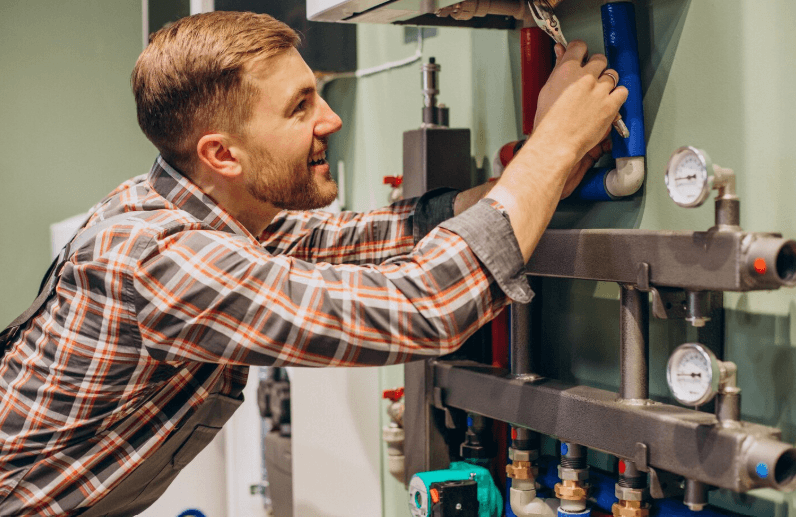
Heating costs can rise quickly when an aging furnace must operate for long periods. Homeowners considering high-efficiency furnace installation often want to know whether the lower fuel consumption and improved comfort will justify the higher initial price.
The growing interest in efficient heating equipment is supported by market activity. The American Gas Association reports that shipments of natural gas furnaces rated at 97% AFUE or higher have increased nearly fourfold since 2020.
However, the right decision depends on more than the efficiency rating. The home’s insulation, ductwork, heating demand, existing equipment, installation requirements, and expected length of ownership all affect the potential value.
Planning a Furnace Installation in Bellevue
Homes vary significantly in size, age, construction, insulation, and heating requirements. Anyone comparing options for furnace installation Bellevue should begin with an evaluation of the property rather than selecting equipment based only on price or advertised capacity.
A furnace replacement is not simply an exchange of one unit for another. The installer must determine the correct system size, inspect existing ducts, evaluate venting requirements, and confirm that the electrical and gas connections can support the new equipment.
What Makes a Furnace High Efficiency?
Furnace efficiency is generally expressed through its Annual Fuel Utilization Efficiency rating, or AFUE. The rating represents the percentage of the furnace’s fuel that is converted into usable heat over a typical year.
A furnace with a 95% AFUE rating is designed to convert approximately 95% of its fuel into heat, with the remaining percentage lost during operation. A lower-rated furnace allows more energy to escape through the exhaust.
Condensing Technology
Many high-efficiency furnaces use a secondary heat exchanger to recover additional heat from combustion gases before they leave the home. This process creates condensation, which must be drained safely.
Because the exhaust is cooler, these furnaces often use dedicated plastic intake and exhaust pipes instead of a conventional chimney. An installer must determine whether the home has an appropriate route for this venting.
Variable-Speed and Modulating Operation
Some efficient furnaces include variable-speed blower motors or modulating gas valves. Instead of operating only at full capacity, the system can adjust its output according to the home’s heating needs.
Longer operation at lower speeds may provide steadier temperatures, quieter performance, and improved air circulation. The actual benefit depends on the furnace design, control system, ductwork, and installation quality.
Understanding High-Efficiency Furnace Cost
A high-efficiency furnace usually costs more upfront than a basic model. The total project price may include equipment, labor, permits, controls, removal of the old unit, venting modifications, drainage work, and duct corrections.
Homeowners should be cautious with estimates based only on square footage. Two similarly sized houses can have very different heating needs because of ceiling height, window area, insulation, air leakage, layout, and local weather exposure.
Why Installation Requirements Change the Price
A straightforward replacement may require fewer modifications when the existing gas supply, electrical connections, drainage, and ducts are suitable. Costs may increase if the contractor must install new vent pipes, improve drainage, modify the return-air system, or correct unsafe conditions.
Access also matters. Equipment in a tight crawlspace, attic, or finished area may require more labor than a furnace installed in an open utility room.
Compare Complete Estimates
Each written estimate should identify the furnace model, efficiency rating, labor, permits, venting work, thermostat requirements, warranties, and disposal of the old equipment. It should also explain whether duct changes or electrical updates are included.
Comparing only the final price can conceal meaningful differences between proposals. A lower quote may exclude work that becomes necessary once installation begins.
Benefits of a High-Efficiency Furnace
The U.S. Environmental Protection Agency states that an ENERGY STAR-certified gas furnace can save an average of about $160 per year in energy costs. Actual savings vary according to the old and new equipment, fuel prices, climate, thermostat settings, and condition of the home.
Lower Fuel Consumption
A higher AFUE rating means more of the purchased fuel is converted into usable heat. The difference can be meaningful when replacing older, inefficient equipment, particularly in homes with substantial heating demand.
However, projected savings should be based on the homeowner’s actual fuel use rather than a general percentage. Recent utility bills can help a contractor or energy professional prepare a more realistic estimate.
More Consistent Comfort
Variable-speed and multi-stage equipment may reduce sharp temperature changes by running for longer periods at lower output. This can improve air mixing and reduce the noticeable rush of hot air associated with basic single-stage furnaces.
Comfort problems are not always caused by the furnace. Leaky ducts, inadequate returns, poor insulation, or incorrect equipment sizing can leave some rooms cold even after a new system is installed.
Quieter Operation
A furnace operating at a lower stage may produce less airflow and mechanical noise than one that repeatedly starts at full capacity. Proper duct sizing is still important because undersized or restricted ducts can create noise even with efficient equipment.
Better Humidity and Filtration Support
Longer blower cycles may improve air circulation through the filtration system. Some furnaces can also work with whole-home humidifiers, advanced filters, and compatible indoor air quality equipment.
These additions should be selected carefully. A filter that creates excessive resistance can restrict airflow and reduce performance.
Is a High-Efficiency Furnace Worth It?
A high-efficiency furnace may be a practical investment when the existing equipment is old, fuel use is high, the home has a long heating season, and the owner plans to remain in the property for several years.
The investment may be less compelling when the current furnace is relatively new, heating demand is low, or the installation requires expensive modifications that significantly extend the payback period.
Estimate the Potential Payback
A basic payback estimate compares the additional cost of the high-efficiency model with the expected annual energy savings. If the efficient option costs $2,000 more and is projected to save $200 each year, the simple payback period would be approximately 10 years.
This calculation does not account for changing fuel prices, repair costs, financing, maintenance, or comfort improvements. It should be treated as one part of the decision rather than the complete answer.
Consider How Long You Will Own the Home
Homeowners planning to remain in the property may have more time to recover the additional cost. Those expecting to sell soon should consider whether improved efficiency, newer equipment, and transferable warranty coverage will matter to potential buyers.
A new furnace may support a sale, but homeowners should avoid assuming that every dollar spent will be recovered through a higher property value.
Signs It May Be Time to Replace the Furnace
A furnace does not need to stop working completely before replacement deserves consideration. Changes in performance and repair frequency can provide useful warning.
Important signs include:
Repeated repairs, short cycling, unusual noises, or difficulty maintaining the thermostat setting
Rising fuel use, persistent temperature differences, visible corrosion, or concerns identified during a safety inspection
These symptoms do not automatically mean replacement is necessary. A professional diagnosis can determine whether the problem comes from the furnace, thermostat, ducts, insulation, or another part of the heating system.
Why Proper Furnace Sizing Matters
Choosing a larger furnace does not guarantee better heating. Oversized equipment may warm the home too quickly, shut down, and restart repeatedly. This short cycling can create uneven temperatures, increase wear, and reduce efficiency.
An undersized furnace may operate almost continuously during cold weather without maintaining the desired temperature.
Request a Heating Load Calculation
A qualified installer should perform a heating load calculation that considers the home’s size, insulation, windows, orientation, air leakage, and local design temperatures.
Replacing the old furnace with another unit of the same capacity is not always appropriate. The original equipment may have been oversized, or improvements such as new windows and insulation may have changed the home’s heating demand.
Installation Quality Determines Performance
Even highly efficient equipment may perform poorly when installed incorrectly. Venting, drainage, ductwork, gas pressure, electrical connections, thermostat configuration, and airflow must all be addressed.
What Professional Installation Should Include
A well-managed installation should include:
Equipment sizing, permit handling, safe removal, correct venting, drainage, electrical work, and thermostat setup
Startup testing, airflow verification, safety checks, warranty registration, and an explanation of maintenance requirements
Homeowners should keep the model and serial numbers, warranty information, permit records, manuals, rebate documents, and final test results.
Check the Existing Ductwork
Leaky, restricted, or poorly sized ducts can reduce the benefit of a new furnace. A duct assessment is especially important when rooms have always felt colder, airflow is weak, or the existing system is noisy.
Correcting duct problems may provide a greater comfort improvement than selecting the furnace with the highest available AFUE rating.
Making the Right Heating Investment
High-efficiency furnace installation can be worthwhile when lower fuel consumption, steadier comfort, quieter operation, and long-term ownership justify the additional cost. The efficiency rating alone, however, does not determine value.
The strongest results come from accurate sizing, compatible ductwork, safe venting, proper commissioning, and regular maintenance. Before choosing equipment, request a complete home assessment and compare detailed proposals. A carefully selected and installed furnace is more likely to deliver dependable comfort and reasonable operating costs for years to come.
Frequently Asked Questions
Do High-Efficiency Furnaces Really Save Money?
They can reduce fuel use, especially when replacing an older, lower-efficiency furnace in a home with substantial heating demand. Savings depend on fuel prices, equipment condition, insulation, ductwork, thermostat habits, and installation quality.
Can a High-Efficiency Furnace Be Installed in an Older Home?
Yes, but the project may require new venting, condensate drainage, electrical work, or duct modifications. A pre-installation assessment should identify these requirements before the homeowner accepts a proposal.
Does a High-Efficiency Furnace Need Special Venting?
Most condensing furnaces require dedicated intake and exhaust piping because they operate differently from conventional models. The pipes must be sized, routed, supported, and terminated according to the manufacturer’s instructions and applicable codes.
How Long Does Furnace Installation Take?
Many standard replacements can be completed within a day, while projects involving ductwork, venting, drainage, or electrical changes may take longer. The contractor should explain the expected schedule after inspecting the home.