
How Service Learning Can Strengthen a Student’s Academic Journey
By
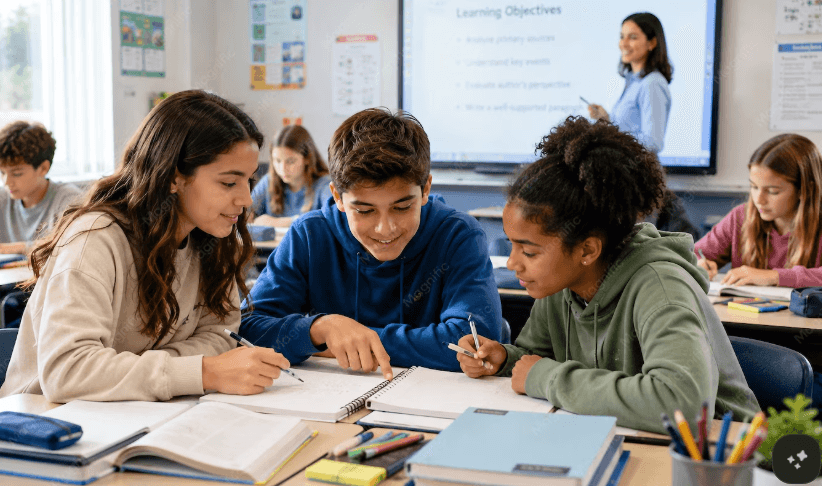
College students have to make every semester count. Tuition is expensive, degree requirements are strict, internships compete for time, and employers still expect graduates to show real-world experience. That can make community service feel meaningful but difficult to fit into an already crowded academic plan.
Service learning connects those priorities. It combines community engagement with defined learning goals, reflection, and academic work. Done well, it can deepen course knowledge, build career-ready skills, and sometimes help students progress toward graduation.
What Is Service Learning?
Service learning is an experiential education model that connects academic concepts with work addressing a genuine community need. Students apply classroom knowledge in a real setting, reflect on what happened, and connect the experience back to learning objectives.
Strong programs usually include:
meaningful service shaped by community needs
clear academic objectives
structured reflection through journals, discussions, projects, or presentations
That academic connection separates service learning from general volunteering.
What Makes a Service-Learning Program Effective?
Participation alone does not determine whether a service-learning experience produces meaningful educational value. Program structure also matters.
Youth.gov’s guidance on service learning notes that more than 4 million students across over 20,000 schools have historically participated in service-learning programs. It also identifies meaningful service, curriculum connections, reflection, relevance, and sufficient duration as important elements of effective programs.
For students, the strongest experiences usually follow a clear cycle of preparation, action, reflection, and assessment. This helps turn real-world experiences into evidence of learning that instructors and academic advisors can evaluate for academic relevance, skill development, and potential credit.
How Can Students Earn Academic Credit Through Service Learning?
For students balancing travel, service, and degree progress, credit-bearing options can make experiential learning easier to fit into an academic plan.
Some global programs pair community-based experiences with formal coursework. Through GIVE, students can choose optional online courses connected to their travel experience and earn academic credit. Each course is worth three college credits.
Students should speak with an academic advisor before enrolling because transfer and degree requirements vary. Confirm whether credits may apply to electives, general education, major requirements, or graduation hours.
How Does Service Learning Improve Academic Learning?
Service learning can make abstract course material easier to understand because students use it in situations involving real people, constraints, and consequences.
Instead of only reading about sustainability, public health, education, development, or leadership, students may encounter those issues directly. They observe, ask questions, adapt, communicate, and explain what the experience means academically.
This can strengthen:
understanding of course concepts
critical thinking and problem-solving
communication and teamwork
reflection and self-assessment
the ability to connect theory with evidence
The value comes from the link between experience, curriculum, and reflection, not from service hours alone.
What Does Research Show About Service Learning Outcomes?
Research suggests that well-designed service learning can strengthen both academic and personal outcomes for college students.
A 2026 ERIC meta-analysis of 62 collegiate service-learning studies found a positive overall effect on student outcomes, with an aggregated effect size of 0.37. The research identified improvements in academic achievement, civic engagement, social skills, attitudes toward learning, and students’ perceptions of themselves.
For students, this suggests that service learning can offer more than community involvement when the experience is intentionally connected to academic goals.
How Can Service Learning Build Career-Ready Skills?
Service learning puts students in situations where communication, judgment, adaptability, and teamwork must be practiced rather than discussed.
A student working with a community partner may need to coordinate schedules, understand unfamiliar perspectives, solve problems with limited resources, or adjust a plan when conditions change. Those experiences create examples for interviews, applications, portfolios, and graduate school statements.
It can also help students test career interests. An environmental science student may discover an interest in conservation policy, while an education student may find a strength in community outreach.
What Is the Difference Between Service Learning and Volunteering?
Volunteering primarily provides time or support to a cause. Service learning adds academic goals, structured reflection, and an intentional connection between service and curriculum.
Students are expected to examine what they observed and demonstrate learning through assignments, discussions, presentations, research, or other assessment. Completing volunteer hours alone does not automatically make an experience eligible for college credit.
The Academic Return Test: Is a Service-Learning Experience Worth Your Time?
Before committing, evaluate a program with a four-part Academic Return Test:
Learning fit: Does the experience connect to your major, general education goals, or career interests?
Academic structure: Is there coursework, reflection, assessment, faculty guidance, or transcripted credit?
Community relevance: Does the work respond to priorities identified by the community?
Transfer value: If credit is offered, has your academic advisor explained how your institution may accept it?
A strong yes across all four areas suggests the experience has a clearer path to academic and professional value, not just personal growth.
How Can Students Get More Academic Value From Service Learning?
Before the program, identify two or three questions you want the experience to help you explore. During it, keep notes on observations, decisions, challenges, feedback, and moments when classroom ideas look different in practice.
Afterward, connect specific experiences to course concepts and document the skills you used. These notes can support reflection papers, portfolios, scholarship applications, interviews, and future coursework.
Frequently Asked Questions About Service Learning
What are the academic benefits of service learning?
Service learning can deepen students’ understanding of course material by requiring them to apply concepts in real situations. It can also strengthen critical thinking, problem-solving, communication, teamwork, and reflection. The strongest academic benefits occur when the service experience is directly connected to clear course objectives and assessed learning.
How does service learning connect classroom learning to real-world experience?
Service learning gives students opportunities to test classroom concepts while working on genuine community needs. A student studying environmental science, education, public health, or social sciences can observe how theories operate outside a textbook, solve practical problems, and then connect those experiences back to coursework through structured reflection.
Can service learning count toward college credit?
Yes, service learning can count toward college credit when it is part of an approved course or credit-bearing academic program. However, students generally receive credit for demonstrated learning rather than simply completing service hours.
What is the difference between service learning, volunteering, and an internship?
Service learning combines community service with academic objectives and reflection. Volunteering primarily focuses on contributing to a community or cause, while internships typically emphasize professional experience and career preparation.
Why is reflection important in service learning?
Reflection helps turn community experience into academic learning. Through journals, class discussions, presentations, or research assignments, students examine what happened, connect it with course concepts, question assumptions, and identify lessons they can apply elsewhere.
Actionable Takeaways for Students
Choose service learning that connects to an academic or career goal. Confirm credit transfer before paying for a credit-bearing option. Look for community-identified needs, guided reflection, and clear learning objectives.
Keep evidence of what you learned, not just the hours completed. Ask your advisor for written confirmation before finalizing enrollment plans.
When those pieces align, service learning can support stronger academic understanding, clearer career direction, and meaningful progress toward a degree.