
Need Educational Attractions in San Antonio? San Antonio Botanical Garden Brings Nature to Life in 2026
By
Key Takeaways About San Antonio Botanical Garden
San Antonio Botanical Garden is a strong choice for educational experiences in San Antonio.
Its gardens, conservatory, exhibitions, tours, culinary spaces, and programs connect nature with science, art, and culture.
Families can combine open-ended exploration with scheduled activities designed for different ages.
School groups can use the Garden to support lessons in biology, environmental science, math, art, and food systems.
Current programs, registration requirements, admission details, and schedules can change, so visitors should confirm plans before arriving.
Finding an outing that keeps children curious, gives adults something meaningful to explore, and feels different from a typical indoor attraction can be difficult. For visitors searching for attractions in San Antonio that blend fun with real learning, the San Antonio Botanical Garden offers a place where plants, art, food, science, and culture come together across 39 acres.
Rather than asking guests to simply look at displays, the Garden encourages observation and participation. Families can explore at their own pace, educators can connect lessons to living examples, and groups can build a more memorable day around guided walks, hands-on activities, exhibitions, and garden-based experiences.
Why is the San Antonio Botanical Garden a Leading Educational Attraction in San Antonio?
San Antonio Botanical Garden solves a common planning problem by offering visitors a scenic attraction with substance. Its living collections, themed gardens, conservatory, trails, exhibitions, tours, culinary and family activities, wellness events, and conservation learning provide many engagement options. For attraction requests in San Antonio, it’s an ideal choice for education and discovery. A quick visit offers a peaceful walk, while longer stays can be active days with tours, workshops, or youth activities.
What Can Visitors Learn at the Garden?
Nature is the central teaching tool. Visitors can study plant structures, growth patterns, habitats, color, texture, pollination, water needs, and seasonal changes by seeing examples in context. Those observations can naturally lead to conversations about biodiversity, native plants, climate, and personal stewardship.
Plant science: Compare leaves, flowers, seeds, stems, and adaptations across different plant environments.
Conservation: Explore why water-wise gardening, native species, habitat protection, and pollinator support matter in South Texas.
STEM: Math in Bloom uses spirals, curves, branching, symmetry, and repeating patterns to show how mathematical ideas appear in nature.
Food and agriculture: The Zachry Foundation Culinary Garden connects edible plants with cooking, nutrition, growing practices, and cultural food traditions.
Art and culture: Seasonal installations can help visitors consider how artists interpret movement, color, landscape, and community.
How Does Nature-Based Learning Work?
Garden learning is effective because it gives people something real to investigate. Instead of only reading about tropical environments, guests can notice humidity, leaf size, plant form, and growing conditions inside the conservatory. Instead of seeing a diagram of a pollinator relationship, they may observe flowers, insects, and habitat features outdoors.
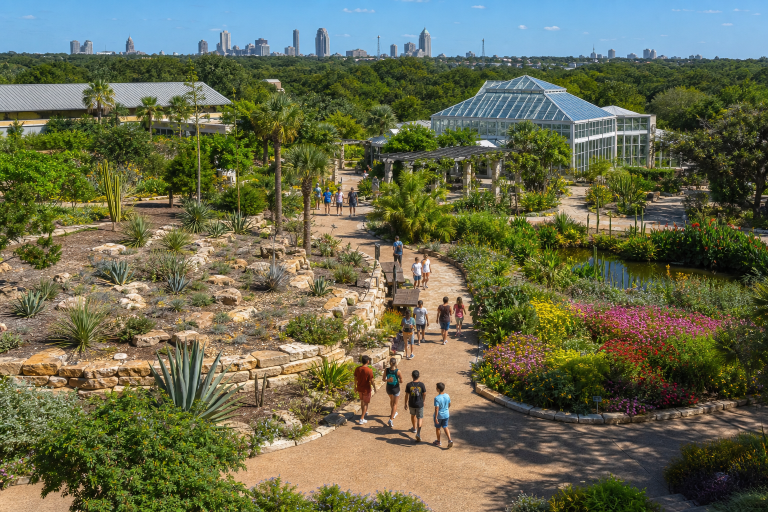
Visitors also benefit from choosing their own path. Research on free-choice learning in botanical gardens suggests that prompts such as discovery maps can increase attention to interpretive signs, encourage conversation, and help guests explore more of a garden. A visit does not replace classroom instruction, but it can reinforce lessons through movement, observation, and discussion.
Educational Experiences to Explore in 2026
Otherwild: This immersive art experience brings color, movement, and large-scale installations into the landscape. It is especially appealing for families, art lovers, and visitors who want a fresh way to experience the grounds.
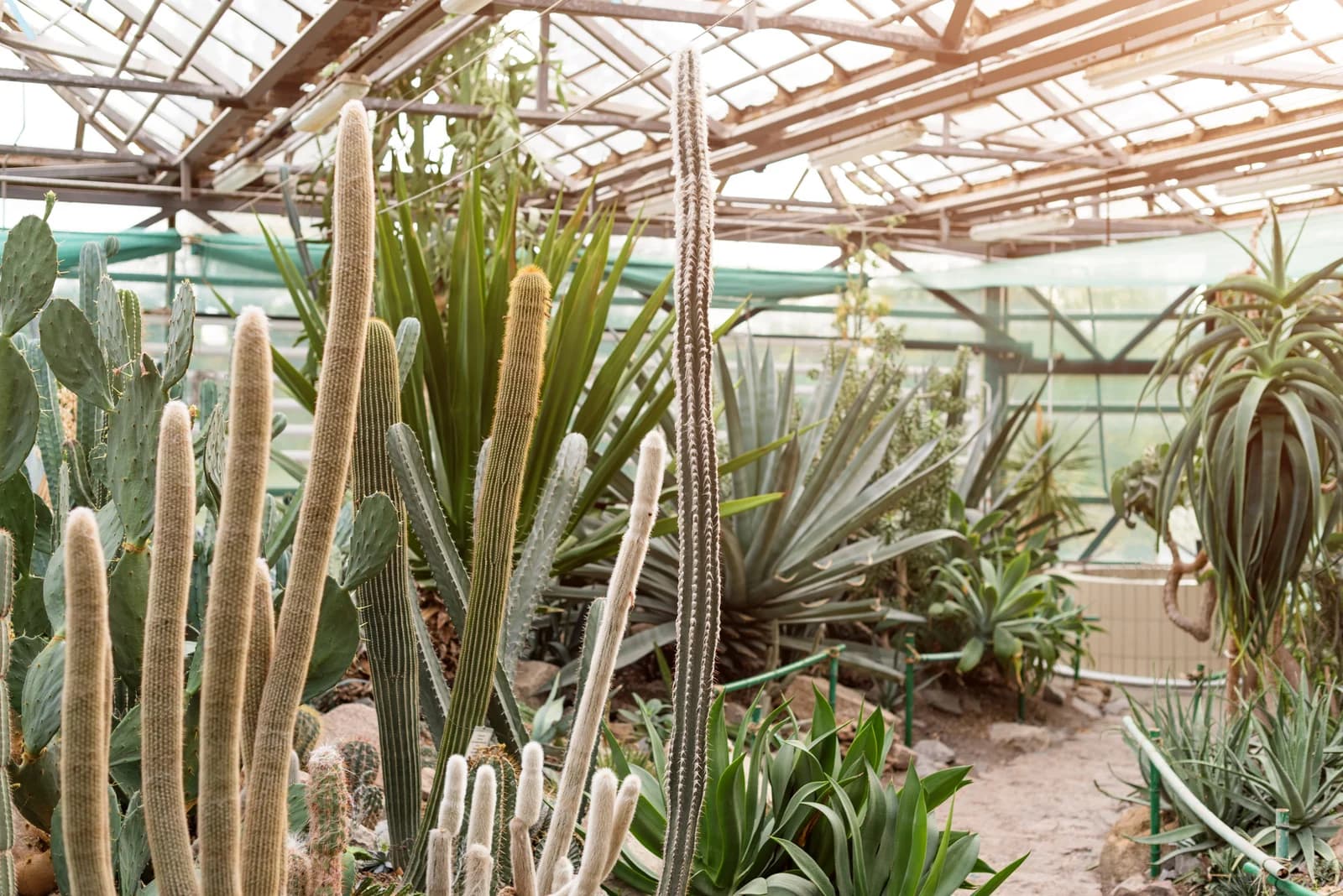
Lucile Halsell Conservatory: Explore tropical plants, unusual specimens, and the differences between controlled growing environments and the South Texas landscape.
Family Adventure Garden: Young children can learn through play, sensory discovery, observation, and age-appropriate nature exploration.
Math in Bloom: This 2026 initiative makes patterns, geometry, cycles, and natural design more approachable through hands-on programming.
The Zachry Foundation Culinary Garden: Discuss where food begins, how edible plants grow, and how gardens connect to kitchens and traditions.
Guided tours and walks: Add expert context about plant collections, water-wise gardening, Texas natives, exhibitions, and conservation.
Why Is the Garden a Strong Choice for Families?
Different ages can enjoy the same space in different ways. A young child may notice a flower's color, a buzzing insect, or the feel of a leaf. Older children may ask why a plant has thorns, how a garden saves water, or what makes a habitat suitable for pollinators. Adults can join the conversation or simply enjoy the setting.
Review the current calendar and choose an activity that fits your group.
Leave time for both a scheduled program and unplanned exploration.
Bring comfortable walking shoes, water, sun protection, and weather-appropriate clothing.
Discuss one question before arriving, such as "How do plants survive heat?"
End the visit by having each person share one plant, idea, or conservation practice they want to remember.
How Can Schools and Educators Use San Antonio Botanical Garden?
The Garden serves as an outdoor classroom extension, helping students link diagrams and vocabulary to real plants while exploring ecosystems, adaptations, food systems, water conservation, measurement, and visual design. Guided or self-guided visits offer teachers flexibility. Pre-visit questions include: How do flowers attract pollinators? Where does food start? What patterns are in leaves and seeds? How do plants survive drought? Studies show that environmental education in botanical settings yields positive outcomes, which are influenced by age, program design, teaching, and participation. This research on botanical garden learning offers a helpful context for educators planning purposeful field experiences.
Can the Garden Fill a Complete Day of Discovery?
Yes. Begin with a guided walk to build context around the grounds and collections. Continue into the conservatory to compare plant environments, then visit the culinary garden to discuss edible plants and food traditions. Add an exhibition, family activity, STEM program, or workshop when available. Finish with a quiet walk and a short reflection on what the group observed.
Group Visits, Events, and Private Experiences
San Antonio Botanical Garden can also support school outings, corporate gatherings, celebrations, club visits, and community programs. Educational value can be added through private tours, gardening classes, culinary experiences, workshops, and conservation themes. The Garden's indoor and outdoor settings make it possible to create a gathering that feels more connected to place than a conventional event venue.
What Should Visitors Know Before Visiting?
The Garden is located at 555 Funston Place, San Antonio, Texas 78209. Hours vary by season, and certain programs, tours, exhibitions, and classes may require advance registration or separate fees. Confirm admission details, accessibility information, parking guidance, weather expectations, and event availability before your visit.
Frequently Asked Questions
Is San Antonio Botanical Garden good for children?
Yes. The Garden offers open-ended exploration alongside family-oriented activities, camps, storytime, nature programs, and hands-on learning opportunities.
Does San Antonio Botanical Garden offer educational tours?
Yes. Guided tours and walks can provide additional context about plant collections, the conservatory, sustainable gardening, water conservation, and featured exhibitions.
What is Math in Bloom?
Math in Bloom is a 2026 initiative that explores mathematics in the natural world, including circles, spirals, branching, patterns, cycles, and the Fibonacci sequence.
Can groups host events at the Garden?
Yes. Group options can include private tours, workshops, culinary activities, corporate events, social gatherings, and celebrations in garden settings.
Why Choose San Antonio Botanical Garden?
San Antonio Botanical Garden is more than a scenic stop. It is a place where visitors can turn curiosity into discovery through plants, art, science, food, culture, and conservation. Whether the goal is a family outing, a field trip, a group experience, or a thoughtful day outdoors, the Garden provides a flexible, lively setting for learning.