
Al Khayma Heritage Restaurant & Cafe
Al Khayma Heritage Restaurant & Cafe
Al Fahidi Historical District Building 54 & 55, Dubai 118131 United Arab Emirates Posted by Brandon B.Admin
Al Khayma Heritage Restaurant and Cafe in the Al Fahidi Historical District
There are a handful of places in Dubai where the city's pace actually slows down. Al Khayma Heritage Restaurant and Cafe, tucked inside the Al Fahidi Historical District at Buildings 54 and 55, is one of them. The restaurant sits within one of the oldest surviving neighborhoods in Dubai, a labyrinthine quarter of wind towers, coral-and-gypsum walls, and narrow lanes that predate the city's transformation into a skyline of glass. Eating here is less about the menu and more about where you're sitting when you eat it.
Al Fahidi, sometimes still called Bastakiya, has been a protected heritage zone since the 1980s. Al Khayma leans fully into that context. The name itself translates roughly to "the tent," and the restaurant draws from Emirati and broader Arabian culinary traditions to match its surroundings.
What the Kitchen Is Known For
The kitchen has built a reputation around traditional Emirati cooking, the kind that rarely appears on menus outside private homes or heritage venues. Dishes often feature slow-cooked lamb, fragrant rice preparations spiced with loomi (dried lime), and stews that lean on a base of warming spices like bezar, a Gulf spice blend you won't find in most supermarkets outside the region.
Harees, a slow-cooked wheat and meat porridge that sounds plain and tastes anything but, tends to appear on the menu depending on the season and demand. Machboos, a spiced rice dish cooked with meat or seafood, is a staple of Emirati households and often features here as well. Alongside the mains, you'll usually find mezze-style starters, fresh-baked bread, and strong karak chai or Arabic coffee served in the small handle-less cups that are standard across Gulf hospitality culture.
If you're new to Emirati food, this is a genuinely good place to start. The menu tends to be approachable enough for first-timers while still being rooted in real Gulf culinary tradition rather than a tourist-facing approximation of it.
Atmosphere and Setting
The setting does a lot of the work here. Buildings 54 and 55 are part of the original Al Fahidi fabric, and the restaurant uses the architecture rather than fighting it. Expect low seating, courtyard areas, traditional textiles, and the kind of soft ambient light that makes you forget Dubai's downtown towers exist about two kilometers away.
The outdoor seating in the courtyard is the place to be during the cooler months, roughly October through April, when temperatures are comfortable enough to sit outside well into the evening. In summer, the indoor rooms with their thick old walls offer some relief, though the heat is a real consideration if you're planning an outdoor lunch in July or August.
The wind towers overhead, a traditional Arabian air-circulation system, are not decorative additions. They're original features of buildings that have stood here for generations. Sitting underneath one while eating machboos gives the meal a context that no themed restaurant can manufacture.
Al Khayma Heritage Restaurant and Cafe: Service and Experience
Service here tends toward the unhurried. That's partly cultural, partly a reflection of the setting. If you arrive expecting the efficiency of a hotel dining room, you may need to adjust your expectations. Most visitors find the pace suits the surroundings perfectly.
The staff are generally knowledgeable about the dishes and happy to explain unfamiliar ingredients or preparations. Arabic coffee and dates are often offered as a welcome gesture, which is standard Emirati hospitality and worth accepting even if you don't drink coffee.
Reservations and Waits
Al Khayma is a popular stop for visitors to Al Fahidi, and the courtyard seating is limited. During peak tourist season, from November through February, the restaurant can fill up quickly, especially in the early evening. Booking ahead is advisable if you have a specific time in mind. Walk-ins are often possible during quieter lunch periods on weekdays, but there's no guarantee of courtyard seating without a reservation.
Best Time to Visit
The sweet spot is the cooler months, October through March, when you can take full advantage of the outdoor courtyard and the surrounding lanes of Al Fahidi are pleasant to walk through before or after a meal. Arriving around sunset gives you the best light on the old mud-brick walls and a genuinely atmospheric lead-in to dinner.
Ramadan is worth considering if your trip coincides with it. Iftar meals at heritage venues like this one carry a particular significance, and the atmosphere after sunset during that period is unlike any other time of year.
Neighborhood and Location Context
Al Fahidi Historical District sits on the southern bank of Dubai Creek, about a 10-minute walk from the Dubai Museum and within easy reach of the textile and spice souks across the water in Deira. The area is walkable and compact. After eating, you can wander the lanes of the district itself, visit the Sheikh Mohammed Centre for Cultural Understanding nearby, or take an abra (traditional wooden boat) across the Creek for a few dirhams.
The neighborhood is well-served by the Dubai Metro, with Al Fahidi station on the Green Line a short walk away. If you're coming from Downtown Dubai or the Marina, a taxi or ride-share is the most practical option and the journey rarely takes more than 20 to 25 minutes outside peak traffic.
Who This Is For
Al Khayma suits anyone who wants to eat Emirati food in a setting that actually reflects Emirati heritage, rather than a modern dining room with heritage-themed decor. It's particularly well-suited to first-time visitors to Dubai who want to understand something of the city before the oil boom, or to repeat visitors who feel they've never quite gotten past the malls and rooftop bars. Families tend to do well here. Solo travelers who want a slower, more contemplative meal will also feel at home.
It is not the place for a quick business lunch or a high-energy evening out. It's the place for a meal that gives you something to think about on the way back to your hotel.
FAQ
- Is Al Khayma Heritage Restaurant halal? Yes. As an Emirati restaurant operating in Dubai, the food is halal.
- Is there alcohol on the menu? No. Al Khayma does not serve alcohol, which is consistent with most heritage and culturally-rooted dining venues in Dubai.
- Is it suitable for vegetarians? There are vegetarian-friendly options, including various mezze, breads, and side dishes, though the menu leans heavily toward meat-based Emirati cooking. It's worth checking with the restaurant directly about current options.
- How do I get there? The Al Fahidi Historical District is well-signposted from the Al Fahidi Metro station on the Green Line. Buildings 54 and 55 are within the district itself. Arriving on foot from the Creek waterfront is the most straightforward approach.
- Do I need to dress conservatively? The Al Fahidi district is a heritage and cultural area, and modest dress is respectful and expected. Covered shoulders and knees are appropriate for both men and women.
Reviews
Sign in and mark this place visited to leave a review.
No reviews yet.
Free Trip Planner
Plan your Dubai trip with our free planner
Build a day-by-day itinerary with AI suggestions, hand-picked places, and friends. Free forever — no credit card.
Related reading


Things to see near Al Khayma Heritage Restaurant & Cafe

Motiongate Dubai
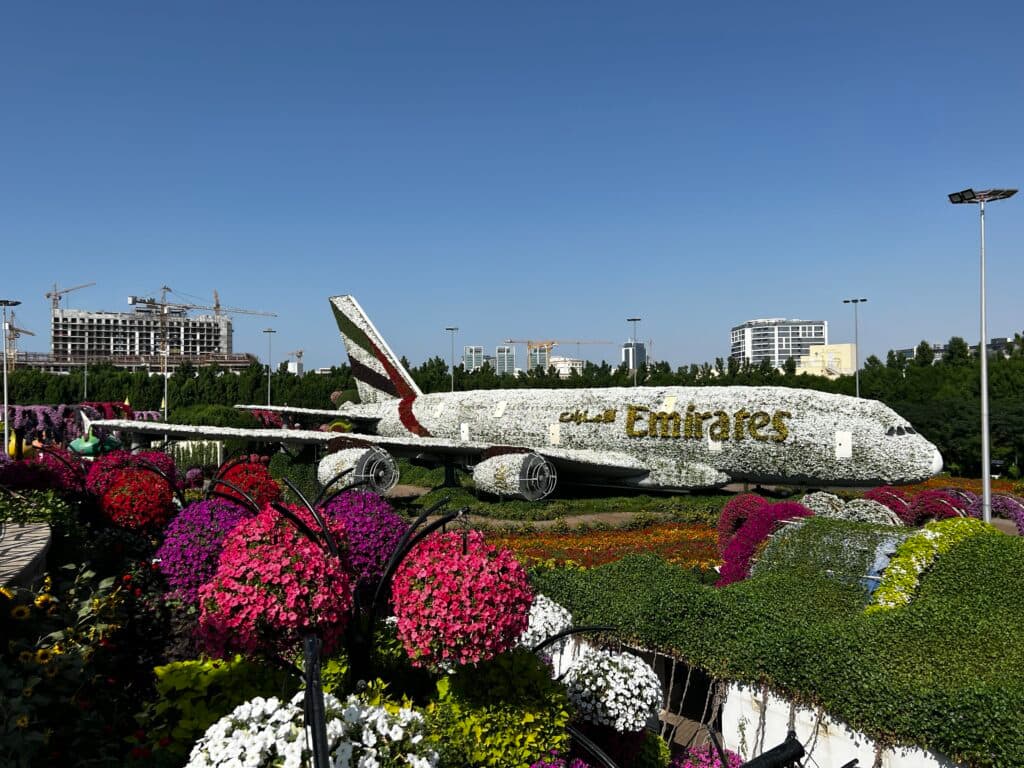
Dubai Miracle Garden

Global Village

Dubai Marina
Places to eat or drink near Al Khayma Heritage Restaurant & Cafe

Sette

Couqley French Bistro Dubai

Pier 7


