Attesa di Pace
Viale Marcello, 30100 Burano Italy Posted by Brandon B.Admin
Burano is one of those places that genuinely earns its reputation. The island sits about 40 minutes by vaporetto from Venice, and its rows of electric-colored fishermen's houses along the canals are as vivid in person as in any photograph. Attesa di Pace occupies a spot on Viale Marcello, one of the quieter stretches on the island, and it draws visitors who want something beyond the crowded main drag near the lace shops. Whether you come for the canal views, the local atmosphere, or simply a reason to linger on Burano longer than a quick photo stop, this address tends to reward the effort.
Why Attesa di Pace Matters
Most visitors to Burano spend an hour or two, photograph the painted houses on Fondamenta dei Colori, and hop back on the boat. The island has about 2,800 permanent residents and a deeply local rhythm that tourists rarely tap into. Attesa di Pace sits closer to that rhythm. Viale Marcello is a residential-feeling street that doesn't see the same foot traffic as the center, which means the experience here tends to feel less like a set piece and more like the actual island.
That matters on Burano more than almost anywhere else in the Venetian lagoon. The island's identity has been shaped by fishing families and lacemakers for centuries, and places that reflect that slower pace are becoming harder to find as day-tripper pressure grows.
Quick Facts
- Location: Viale Marcello, 30100 Burano, in the Venetian lagoon
- Getting to Burano: Vaporetto line 12 from Fondamente Nove, roughly 40 minutes
- Island population: approximately 2,800 residents
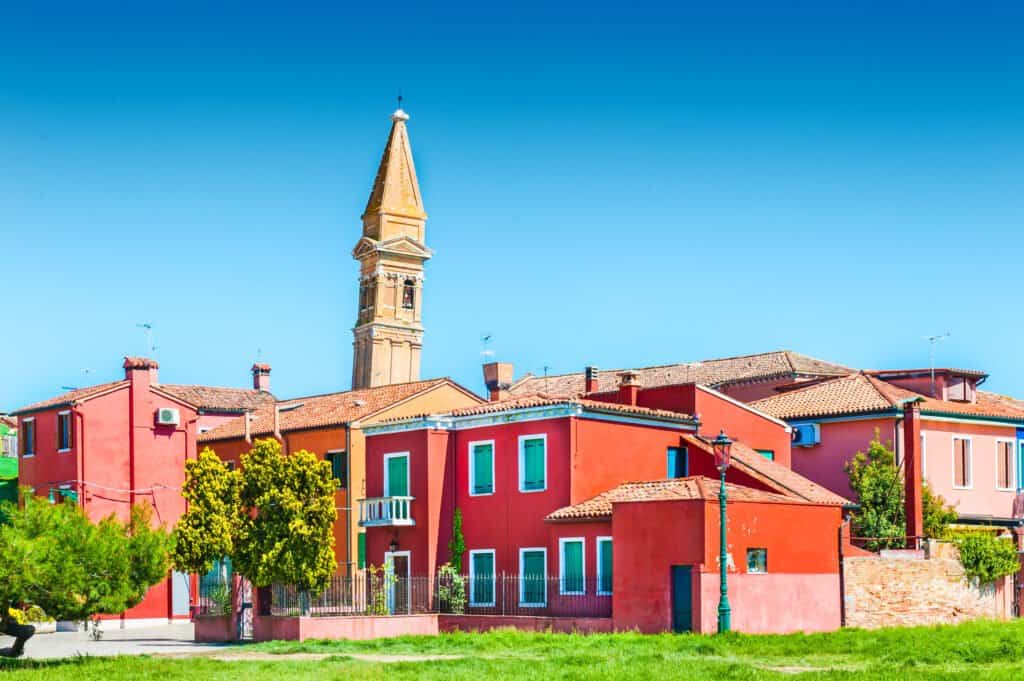
- Nearest landmark: the leaning bell tower of San Martino church, visible from most of the island
- Best paired with: a walk along Fondamenta Cao di Rio or a visit to the Museo del Merletto
Getting There
You reach Burano by water. From Venice, take vaporetto line 12 from the Fondamente Nove stop on the northern edge of the city. The ride takes around 40 minutes and passes through Murano and Mazzorbo before docking at Burano's main ferry stop. From the ferry landing, Viale Marcello is a short walk into the island's interior, away from the canal-facing facades that dominate most visitor photos.
If you're coming from Torcello, the islands are connected by a short bridge and the walk takes under 10 minutes. That combination, Torcello in the morning and Burano in the afternoon, is a sensible way to structure a lagoon day.
There are no cars on Burano. Once you're off the boat, everything is on foot.
The Layout and Experience
Viale Marcello is not a canal-side address. It runs through the interior of the island, giving it a different character from the tourist-facing fondamente. The streets here are wider and quieter, lined with the same brightly painted houses but without the crowds pressing past for selfies. You notice the details more: window boxes, fishing nets drying, a cat sitting in a doorway.
Attesa di Pace fits into this setting naturally. The name itself, which translates loosely as "waiting for peace" or "awaiting peace," captures something genuine about the island's mood in the off-peak hours. Come mid-morning on a weekday, or after the day-trip boats thin out in late afternoon, and Burano feels like a different place entirely.
History and Background
Burano has been inhabited since at least the early medieval period, with fishing families settling the island as Venice itself grew. The tradition of Burano lace, known as merletto di Burano, developed over several centuries and became the island's defining craft. At its height, Burano lace was exported across Europe and worn by royalty. The craft nearly died out in the 19th century before a revival effort in the 1870s reestablished the lacemaking school, which eventually became the Museo del Merletto on Piazza Galuppi.
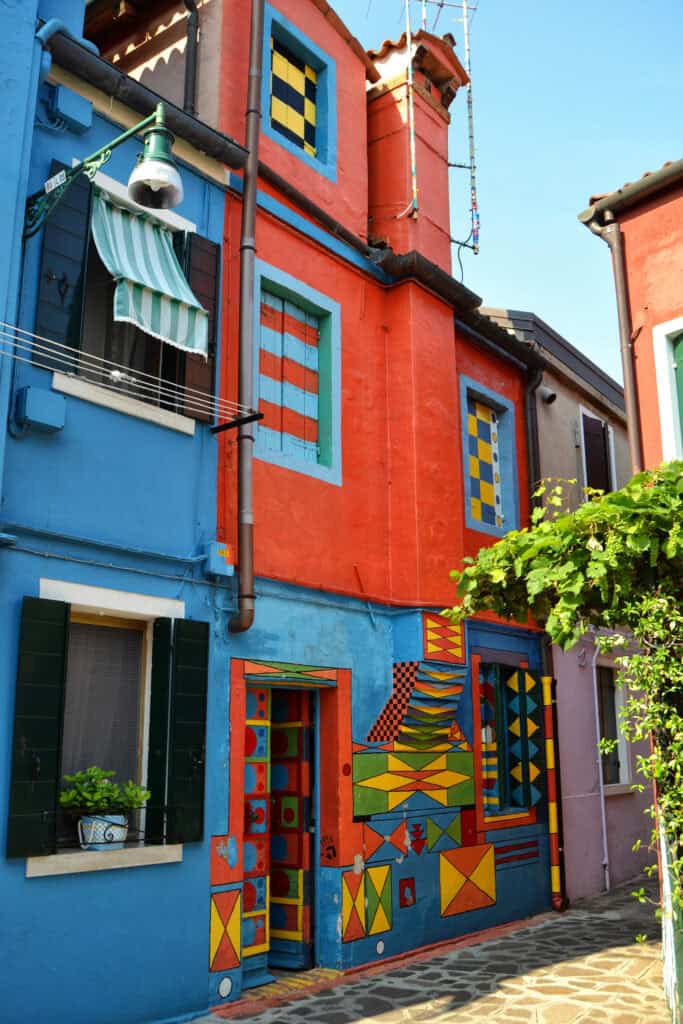
The colored houses are often explained by the need for fishermen to identify their homes through the lagoon fog, though historians debate how formalized that tradition actually was. What's certain is that residents are required to apply to the local government to repaint their houses, and the color palette is regulated. The result is a coordinated vibrancy that manages, somehow, not to look artificial.
Viale Marcello, like much of Burano's residential interior, reflects the everyday life that has continued on the island while the tourist infrastructure built up around it.
Best Time to Visit
Burano is busiest from late spring through early September, when day-trippers from Venice arrive in waves around midmorning and thin out by late afternoon. If you visit Attesa di Pace during the shoulder season, roughly March through May or October through November, you'll find the island noticeably calmer and the light often more interesting for photography.
Arriving on the first or last boat of the day makes a significant difference. The island before 9am or after 5pm belongs mostly to residents.
Winter visits have their own appeal. The lagoon mist, the low light, and the near-empty streets give Burano a completely different mood. Pack for damp cold and expect some businesses to keep reduced hours.
Photography Tips
Most visitors photograph the canal-facing houses along Fondamenta di Cao di Rio or the famous row on Via Baldassare Galuppi. Viale Marcello offers a different angle: the same painted facades but without the crowds in the frame and without the pressure to move along quickly.
Morning light hits the western side of the island first. Late afternoon light, especially in spring and autumn, turns the painted walls into something almost otherworldly. If you're shooting with a wide lens, the streets off Viale Marcello are narrow enough to compress perspective in interesting ways.
The leaning campanile of San Martino church is visible from several points around the island and makes a useful compositional anchor. From the right angle on Viale Marcello, you can frame it against the colored houses without a single tourist in shot, if you time it right.
Combining with Nearby Attractions
Burano sits within easy reach of two other significant lagoon islands. Torcello, connected by a footbridge, holds the Basilica di Santa Maria Assunta, which contains 11th and 12th century Byzantine mosaics that rival anything in Venice itself. It's genuinely worth the extra 20 minutes.
Mazzorbo, also connected to Burano by a long wooden bridge, is even quieter and has a working vineyard that produces a local white wine called Dorona. A glass of Dorona on Mazzorbo, then a walk across the bridge to Burano for the afternoon, is one of the better ways to spend a lagoon day.
Murano, famous for its glassblowing, is on the same vaporetto line and makes a natural half-day addition if you're interested in the craft. The combination of Murano glass and Burano lace, both traditional lagoon industries, gives a surprisingly complete picture of the region's artisan heritage.
Practical Tips
- The last vaporetto back to Venice runs in the evening, but schedules vary seasonally. Check the ACTV website before you go, especially in winter.
- Most of the island's restaurants cluster near Piazza Galuppi and the main canal. If you're eating on Burano, risotto di go (goby fish risotto) is the traditional local dish.
- Lace sold on the main street is often imported. If buying genuine Burano lace, ask specifically about provenance and expect to pay accordingly.
- The island is very flat and almost entirely pedestrian, making it accessible for most mobility needs, though some bridges have steps.
- ATMs on Burano are limited. Carry cash if you're planning to shop or eat at smaller spots.
- Viale Marcello is a residential street. Keep noise down, especially early morning or evening.
FAQ
How long should I spend on Burano?
Most day-trippers allow two to three hours, which is enough to walk the main canals and visit the lace museum. If you want to explore quieter streets like Viale Marcello and eat a proper meal, plan for a full half-day, around four to five hours.
Is Burano worth visiting in winter?
Yes, for the right kind of traveler. The crowds drop sharply, the lagoon light is moody and dramatic, and the island feels like it belongs to its residents again. Some restaurants and shops close or reduce hours, but the experience is often more authentic.
How do I find Viale Marcello from the ferry stop?
From the Burano ferry landing, walk into the island away from the main canal. Viale Marcello runs through the interior and is signposted. The walk from the ferry takes under 10 minutes.
Can I visit Attesa di Pace and Torcello on the same day?
Easily. The footbridge between Burano and Mazzorbo, and from there the ferry to Torcello, makes both islands accessible in a single lagoon excursion. Most people do Torcello first, then Burano for the afternoon.
Opening hours
Reviews
Sign in and mark this place visited to leave a review.
No reviews yet.
Free Trip Planner
Plan your Burano trip with our free planner
Build a day-by-day itinerary with AI suggestions, hand-picked places, and friends. Free forever — no credit card.
Things to see near Attesa di Pace


Places to eat or drink near Attesa di Pace

Oro Restaurant

Cantine del Vino già Schiavi

Bar Longhi