
Batelina: Coastal Dining in Banjole
The terrace at Batelina sits a few meters from the Adriatic, close enough that you hear the water lap against the rocks between courses. This is the kind of restaurant where the setting arrives first and the food has to match it, and after decades operating in Banjole, a quiet village just south of Pula, Batelina has learned to deliver on both fronts. The menu turns to local seafood and Istrian ingredients, and the kitchen treats them with the kind of respect that makes a simple grilled fish taste like it was meant to be eaten exactly here, on this particular evening, with salt air and declining light.
Why This Restaurant Stands Out
Batelina operates without pretense in a region where that's increasingly rare. The dining room is clean and unfussy. Staff move with purpose rather than ceremony. The wine list leans heavily on Istrian producers, many of them small operations that don't distribute far beyond the peninsula. You'll find bottles here that you won't find in Zagreb or Trieste.
The location matters too, but not in the way it does for restaurants that trade on views alone. Banjole is not a major tourist hub. The village has fewer than 300 permanent residents. Batelina draws people who have decided to make the trip specifically for the food and the quiet, not people who wandered in because they were passing through.
What the Kitchen Is Known For
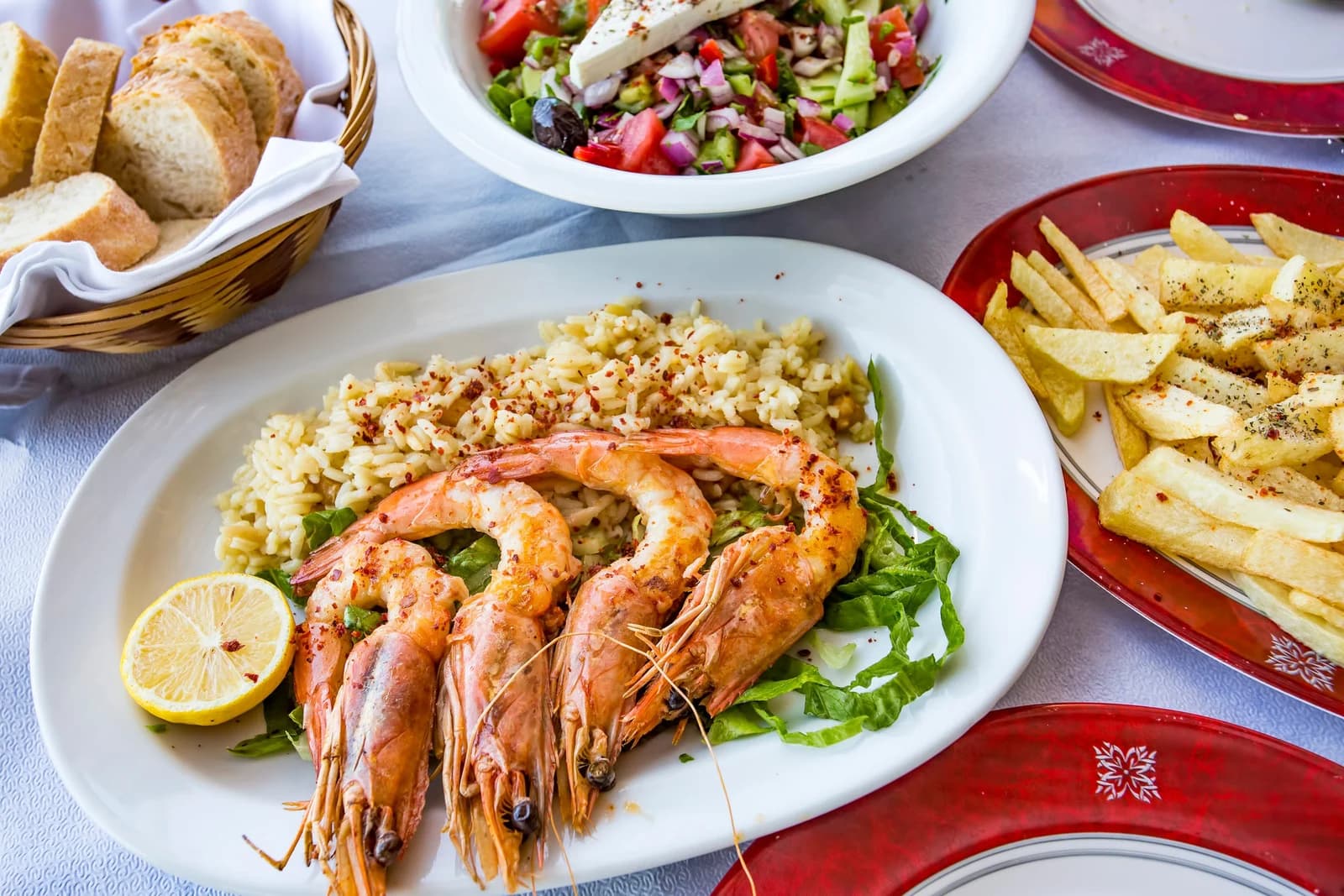
Seafood dominates the menu, which shifts with the season and what the local boats bring in. The kitchen has built a reputation for grilled fish prepared with minimal intervention. Scampi, sea bream, and squid appear often, cooked over or beside open flame and finished with local olive oil and lemon.
Istrian pasta dishes show up regularly, particularly fuži, the hand-rolled local pasta shape. Truffle appears in season, though prices rise accordingly. The kitchen also works with Istrian ham, local cheeses, and seasonal vegetables from the peninsula's interior.
Bouillabaisse-style brodetto, a traditional Adriatic fish stew, often features on the menu. Risotto with seafood or mushrooms tends to be available year-round. Ask what arrived fresh that day. The kitchen responds to what the market offers, and the best dishes tend to be the ones the chef didn't plan three weeks in advance.
Atmosphere and Setting
The terrace is the main draw. Tables sit directly above the water, separated by a low wall and a few meters of rock. In summer the sun stays high until after 9 p.m., which means long evenings with changing light and minimal glare on your plate. Sunset timing varies by season, but if you arrive around 7 p.m. in June or July, you'll catch the best of the light.
Inside, the dining room is simple: white tablecloths, wood chairs, large windows overlooking the same water. The space feels neither austere nor decorated. It's the kind of room that gets out of the way and lets you focus on eating.
The village itself is quiet, especially outside July and August. You'll hear cicadas, the water, and conversation from neighboring tables. There's no music, no theater, no attempt to manufacture atmosphere. The place depends on the setting and your company to provide that.
Service and Experience
Service is attentive without hovering. Staff speak English and Italian in addition to Croatian. Wine recommendations tend to be knowledgeable and appropriate rather than aggressive. If you're unsure what to order, the staff will guide you toward what's best that evening without pushing you toward the most expensive items.
Pace moves at the speed of a long meal. Courses arrive unhurried. This is not a place where you'll eat and leave in 90 minutes.
Reservations and Waits
Reservations are essential, particularly in July and August. The terrace has perhaps 20 to 25 tables, and many evenings fill up by mid-June. In shoulder seasons (May, June, September, October), you have more flexibility, though calling ahead is still wise.
Walk-ins without a reservation may find tables available during lunch service or if you arrive very early or late, but you shouldn't count on it. The restaurant's website or a call to the number listed will confirm availability.
Price Tier
Batelina is fine dining in price but not in manner. Expect to spend what you would at a high-end restaurant in any European coastal city, particularly for seafood and wine. A meal with appetizers, mains, and a bottle of wine will be expensive. It's not a casual dinner spot, but the cost reflects the setting, the ingredients, and the simplicity of the cooking rather than unnecessary embellishment.
Best Time to Visit
May through October offers warm weather and reliable service. July and August are busiest and warmest, but the season can feel crowded. June and September offer better balance between reliable weather and fewer tourists.
Winter is possible, but the terrace closes and the village becomes very quiet. Call ahead if you're considering a winter visit.
Good to Know Before You Go
Banjole is about 10 kilometers south of Pula. If you're driving, the restaurant is easy to find on the coast road. There is parking nearby, though space can be tight during peak season. If you're using public transport from Pula, options are limited, and a taxi or rental car is more practical.
The dress code is casual but neat. People wear what they would for dinner out in a city, not beach clothes.
The menu is not available online in advance. Call or email if you have dietary restrictions or strong preferences. The kitchen can almost always accommodate requests if given notice.
Who This Is For
Batelina works best for travelers who have made a deliberate trip to eat, not people looking for convenient dinner while passing through. It suits couples and small groups. Families with young children are welcome, but the pacing and the need for reservations mean it's not ideal for kids who move quickly or need immediate gratification.
If you're interested in Istrian wine, the list here will reward exploration. If you want to understand what local seafood tastes like when someone who knows it cooks it simply, this is the place. If you're looking for Instagram-ready plating or the latest technique, look elsewhere.
FAQ
- How far in advance should I book? At least one to two weeks during high season (July and August), though longer is safer. In May and October, a few days is often sufficient.
- Is there a menu online? No. Call the restaurant or check their website for the current contact number.
- What's the closest larger town? Pula is about 10 kilometers north. Most supplies and services are there.
- Do they accommodate vegetarians? Yes, but the menu is seafood-focused, so options are limited. Call ahead to discuss.
- Can I just show up for lunch? During quiet periods (May, September, October), lunch walk-ins are more feasible, but reservations are always safer.
Opening hours
Reviews
Sign in and mark this place visited to leave a review.
No reviews yet.
Free Trip Planner
Plan your Banjole trip with our free planner
Build a day-by-day itinerary with AI suggestions, hand-picked places, and friends. Free forever — no credit card.
Related reading

Things to see near Batelina

Vina Benazić

Aura Distillery Shop

BRIST Extra Virgin Olive Oil Shop
