Beaches Of Viña Del Mar
Viña Del Mar, Viña del Mar, Valparaíso 2520000, Chile Posted by Brandon B.Admin
Sun, Sand, and the Pacific at the Beaches of Viña del Mar
Viña del Mar sits roughly 120 kilometers northwest of Santiago, and its beaches are the reason most Chileans make the trip. The city earned its nickname, "La Ciudad Jardín" (the Garden City), partly from its manicured parks, but mostly from the long stretch of Pacific coastline that defines its character. Whether you arrive mid-summer when the whole country seems to be here, or in the quiet shoulder months when the fog rolls in and the shore is nearly yours alone, the beaches of Viña del Mar deliver something different each time.
This is not a Caribbean postcard. The Humboldt Current keeps the water cold year-round, sometimes bracingly so. But the beaches are wide, the sand is pale, and the backdrop of the Andes on clear days is genuinely startling. Chileans come for the sun, the atmosphere, and the seafood. Visitors come and end up staying longer than planned.
Why the Beaches of Viña del Mar Stand Out
Most Pacific coast destinations in South America require serious travel. Viña del Mar is different: you can leave Santiago after breakfast and be digging your toes into the sand by midday. That proximity makes it the most visited beach destination in Chile, and the infrastructure reflects that. There are proper promenades, beach clubs, lifeguard stations in season, and a decent range of places to eat within a short walk of the water.
The variety also helps. Playa de Viña (also called Playa Larga), Playa Miramar, and Playa Las Salinas each have their own personality. Some sections draw families with young children, others attract surfers or the late-afternoon crowd looking for a good ceviche and somewhere to watch the sun drop into the Pacific.
Quick Facts
- Location: Viña del Mar, Valparaíso Region, Chile
- Distance from Santiago: approximately 120 kilometers, around 90 minutes by car or bus
- Water temperature: cold year-round due to the Humboldt Current, typically warmest between January and March
- Main beaches: Playa de Viña (Playa Larga), Playa Miramar, Playa Las Salinas, Playa Reñaca (at the northern edge)
- Entry: free, public access to all main beaches
- Lifeguards: present during the Chilean summer season (December through March)
- Nearest airport: Arturo Merino Benítez International Airport in Santiago
Getting There
From Santiago, Turbus and Pullman Bus both run frequent services to Viña del Mar's bus terminal on Avenida Valparaíso. The ride takes roughly 90 minutes depending on traffic, and tickets are budget-priced. The terminal is a short walk or taxi ride from the main beachfront.
If you drive, the Ruta 68 connects Santiago to the coast and is a well-maintained toll road. Parking near the beach fills up fast on summer weekends, so arriving before 10am makes a real difference. Alternatively, Viña del Mar has its own commuter rail connection to neighboring Valparaíso, and the Merval metro line runs along the coast, making it easy to move between beaches without a car.
The Layout and Experience
The main beach strip runs roughly north to south along Avenida San Martín and the Avenida Marina promenade. Playa de Viña is the longest and most central stretch, and it's where the main action concentrates in summer: beach vendors, rental chairs and umbrellas, volleyball nets, and the constant background noise of a city that genuinely loves being outside.
Head north and the tone shifts. Playa Miramar is slightly quieter and often preferred by families. Further north, Playa Las Salinas sits near the Casino de Viña del Mar and tends to draw a slightly older crowd. Keep going and you reach Reñaca, which has its own distinct beach culture and is popular with younger Chileans. Each spot is walkable from the last if you have the energy, or reachable in a few minutes by taxi or local bus.
The promenade itself is worth your time even if you don't swim. It's lined with palm trees, ice cream stands, and the occasional street performer, and it connects several of the city's landmarks including the Castillo Wulff, a stone castle built in 1906 right on the waterfront that you really can't miss.
Main Highlights
Playa de Viña (Playa Larga)
This is the central beach and the one most visitors picture when they imagine Viña del Mar. It stretches for a considerable distance, wide enough that even on busy summer days you can find space. The northern end tends to be livelier with more vendors and activity. The southern end near the mouth of the Estero Marga Marga river is quieter.
Playa Las Salinas
Las Salinas sits in a protected cove and is often calmer than the main beach. The water is still cold, but the sheltered position means smaller waves, which suits those who want to actually swim rather than fight the surf. The Casino de Viña del Mar is visible from here, and the area has a more settled, residential feel compared to the central strip.
Reñaca
Technically its own district but treated by most visitors as part of the Viña del Mar beach experience, Reñaca has a reputation as the more energetic end of the coast. Restaurants and bars line the clifftop, and the beach below gets crowded in January and February. If you're visiting for nightlife as much as sun, this is where to base yourself.
History and Background
Viña del Mar was formally established as a city in 1874, carved out of what was then the Hacienda Las Siete Hermanas. It grew quickly as a resort destination for wealthy Santiago families who built summer houses and hotels along the coast. The Casino de Viña del Mar, opened in 1930, cemented the city's status as Chile's premier leisure destination and remains one of the oldest operating casinos in South America.
The beach culture here is deeply Chilean. Summer in Viña del Mar is a national institution, tied to the annual Festival Internacional de la Canción de Viña del Mar, a music festival held every February that draws enormous crowds and has been running since 1960. If you visit during festival week, expect the city to be operating at full capacity.
Best Time to Visit
Chilean summer runs December through March, and January and February are peak months. The weather is warm and sunny, the beaches are at their most festive, but accommodation prices rise and crowds are significant. Booking ahead is essential for those months.
October and November offer a quieter version of the same coastline. The weather is mild and often clear, the water is still cold, and you'll share the promenade mainly with locals going about their day. April can also be pleasant, with autumn light that makes the whole stretch look different from the bleached summer version.
Avoid the northern hemisphere summer if you want sun. June through August is Chilean winter, and Viña del Mar can be grey, windy, and genuinely cold. The city doesn't shut down, but the beach experience is limited to brisk walks and seafood lunches rather than sunbathing.
Photography Tips
The best light on the main beach hits in the late afternoon, when the sun moves toward the Pacific and the Castillo Wulff catches a warm glow. If you're shooting from the promenade looking north, you get both the water and the green hills behind the city in the same frame.
For Reñaca, the clifftop restaurants give you a natural elevated position over the beach. Early morning before the crowds arrive is the cleaner shot, but honestly the mid-summer chaos of a packed Reñaca beach tells a more honest story about what this place actually is.
Combining with Nearby Attractions
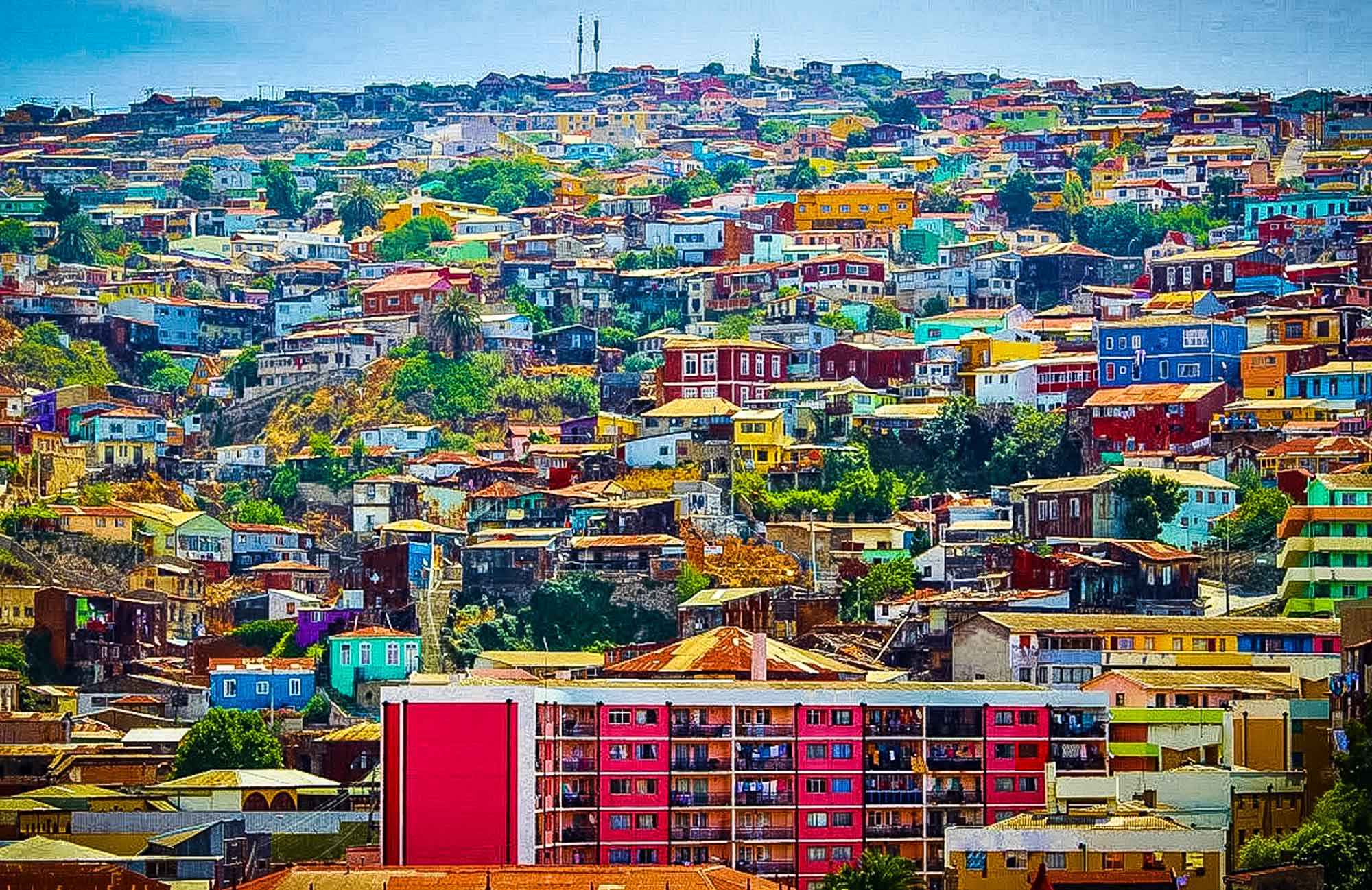
Viña del Mar and Valparaíso are essentially one continuous urban area, separated by about 15 minutes on the Merval metro. Valparaíso's hillside neighborhoods (called cerros) and its famous street art make a strong half-day addition to any beach trip. The two cities reward a two-night stay rather than a single day: beaches in Viña, hills in Valparaíso, and dinner somewhere that overlooks the bay.
Within Viña itself, the Museo de Arqueología e Historia Francisco Fonck is a small but well-regarded museum with a replica Easter Island moai standing outside its entrance. The Jardín Botánico Nacional, opened in 1951, sits about 7 kilometers from the beach and is worth an hour if you want to step back from the coast.
Practical Tips
- Bring a wetsuit or rashguard if you plan to stay in the water for more than a few minutes. The Humboldt Current is not forgiving.
- Sunscreen is essential. The UV index at this latitude can surprise visitors used to northern hemisphere summers.
- Beach vendors sell everything from churros to fresh ceviche along the main promenade. Quality varies, but the ceviche is often genuinely good.
- Weekday visits in January and February are noticeably less crowded than weekends.
- If you park near the beach, use designated lots. Street parking fills up quickly and fines are issued.
- The Merval metro runs from Valparaíso through Viña del Mar and north to Reñaca, making car-free beach hopping straightforward.
- Keep an eye on your belongings on busy beach days, as with any popular tourist area.
FAQ
Is swimming safe at the beaches of Viña del Mar?
During the summer season, most main beaches have lifeguards on duty. The surf can be strong, and the water is cold. Flags indicating conditions are posted at major beaches, and it's worth paying attention to them.
Do I need to pay to access the beaches?
No. All the main public beaches in Viña del Mar are free to enter. You'll pay only if you rent a sun lounger or umbrella from a private vendor, which is entirely optional.
Can I visit Viña del Mar as a day trip from Santiago?
Yes, and many people do. The bus journey takes around 90 minutes each way. That said, a single night on the coast changes the experience considerably, letting you catch the evening atmosphere and avoid a rushed return.
How far is Viña del Mar from Valparaíso?
The two cities are adjacent and connected by the Merval metro system. The journey between the main stations takes roughly 15 minutes, making it easy to combine both in a single trip.
Reviews
Sign in and mark this place visited to leave a review.
No reviews yet.
Free Trip Planner
Plan your Chile trip with our free planner
Build a day-by-day itinerary with AI suggestions, hand-picked places, and friends. Free forever — no credit card.