
Overview
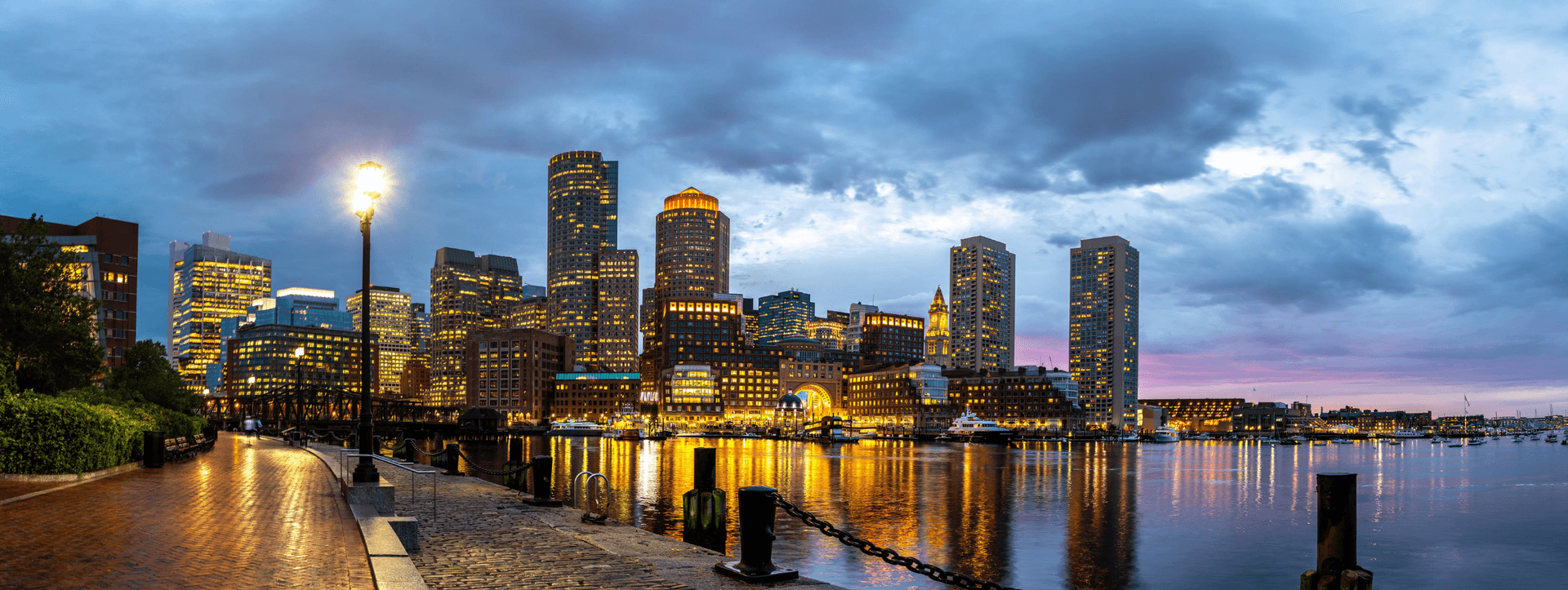
Boston is one of those cities that earns its reputation without trying too hard. As one of the oldest cities in the United States, founded in 1630, it carries nearly four centuries of history in a relatively compact footprint. This Boston travel guide covers everything from which neighborhoods to base yourself in to what to eat when the weather turns cold and the city feels most like itself.
You can walk from the colonial-era graveyards of the North End to the glass towers of the Financial District in under 20 minutes. That contrast, old brick pressed up against modern steel, is essentially the Boston personality. It is a college city, a medical city, a sports city, and a waterfront city, often all at once.
The Charles River separates Boston from Cambridge, where Harvard and MIT sit. The harbor opens toward the Atlantic. Green spaces like the Boston Common, established in 1634 as a shared cow pasture, are still central to daily life. The scale of the place is genuinely manageable, which makes it easier to explore on foot than most American cities of comparable status.
When to Visit
September and October tend to be the sweet spot. Temperatures are comfortable, the trees along Commonwealth Avenue and in the Public Garden turn gold and red, and the city feels lively without the density of summer tourism. Fall foliage typically peaks in mid to late October, and it draws visitors from across the country, so book accommodation early if that is your target window.
Summer, roughly June through August, is warm and occasionally humid. Outdoor events, harbor activities, and the Esplanade along the Charles River are at their best. The Fourth of July brings the famous Boston Pops concert and fireworks, and the city fills up noticeably. Prices for hotels reflect the demand.
Winter is cold. January average temperatures often dip below freezing, and snowstorms are a real possibility from December through March. That said, the city does not shut down. Indoor cultural life, restaurant scenes, and hockey at TD Garden carry you through. If you visit in winter, you will likely find lower hotel rates and shorter lines at popular sites.
Spring arrives slowly. April is unpredictable, swinging between warm afternoons and cold snaps, but the Public Garden blooms and the city shakes off its winter mood. Patriots Day in April brings the Boston Marathon, one of the most celebrated road races in the world, and the streets around the route get loud and festive.
Where to Stay
Boston's neighborhoods are distinct enough that your choice of base genuinely shapes your experience.
Back Bay
Back Bay is the most central option for most visitors. The brownstone-lined streets around Newbury Street and Boylston Street put you within walking distance of the Public Garden, Copley Square, and the Prudential Center. Hotels here tend to be upscale, and the dining and shopping options are dense. The neighborhood is safe and easy to navigate on foot.
Beacon Hill
If you want the most picturesque version of Boston, Beacon Hill delivers it. Gas lamps still line some of the brick streets, and the architecture is largely intact from the 19th century. It is quieter than Back Bay and close to the State House and the Boston Common. Accommodation options are more limited and tend toward boutique properties.
The North End
Boston's oldest neighborhood and its Italian-American heart. Staying here puts you among narrow streets, excellent pasta restaurants, and the Paul Revere House. It is a short walk to the waterfront and Faneuil Hall. The neighborhood is compact and lively, especially on weekend evenings when the restaurants fill up.
South End
The South End has a strong restaurant and arts scene, with Victorian row houses and a community feel. It is popular with locals and tends to draw visitors who want to eat well and avoid the more tourist-heavy areas. The neighborhood is walkable and well-connected by the Orange Line.
Cambridge
Technically across the river, but the Red Line connects Cambridge to downtown Boston in about 10 minutes. Harvard Square and Central Square offer a different energy, more academic and eclectic, with independent bookshops, coffee houses, and a range of mid-range accommodations. A good base if you plan to spend meaningful time on the Cambridge side.
How to Reach the Destination
Most international and domestic visitors fly into Logan International Airport, which sits just 3 miles from downtown Boston. The Silver Line bus runs directly from the airport to South Station and the Financial District at no charge from the airport terminals, making it one of the more convenient airport connections of any major American city. Taxis and ride-hailing services are readily available outside baggage claim.
Amtrak serves Boston's South Station and Back Bay Station with frequent trains along the Northeast Corridor from New York, Philadelphia, and Washington D.C. The Acela high-speed service cuts the New York-to-Boston journey to roughly 3.5 hours, though regional trains take longer. South Station also serves as a major bus hub, with multiple carriers running affordable routes from New York and other Northeast cities.
If you are driving, be aware that Boston's street layout, largely inherited from colonial-era cow paths, is not intuitive. Parking is expensive and scarce in most central neighborhoods. Most visitors find it easier to arrive without a car and use public transit or walk once in the city.
Visa requirements vary depending on your nationality. Citizens of many countries can enter the United States under the Visa Waiver Program using an approved ESTA, but you should verify your specific situation before travel.
Getting Around the Destination
The MBTA, known locally as the T, is Boston's public transit network and one of the oldest subway systems in the United States, with the first line opening in 1897. The Green, Red, Orange, and Blue Lines cover most of the areas visitors care about. The system is functional but aging, and delays are not uncommon, particularly on the Green Line. That said, for most trips within the city, the T is faster and cheaper than driving.
Walking is genuinely the best way to experience central Boston. The distance from the North End to the Back Bay, crossing through the Government Center and Boston Common area, is roughly 30 minutes on foot and takes you past most of the major historical sites along the Freedom Trail, a marked 2.5-mile walking route through 16 significant historical locations.
Ride-hailing apps work well throughout the city and are useful for trips to neighborhoods with less frequent T service, like parts of Jamaica Plain or Roxbury. Bluebikes, the city's bike-share program, has docking stations throughout Boston and Cambridge and is a good option for short trips on flat terrain, though some of the city's older streets are less bike-friendly.
Renting a car is generally not recommended for a Boston-only stay. It is worth considering only if you plan to make day trips to places like Cape Cod, the Berkshires, or coastal Maine.
Top Destination Travel Tips
The Freedom Trail is free to walk on your own. The marked red line on the pavement leads you through 16 sites including the Old North Church, the USS Constitution, and the Bunker Hill Monument. Guided tours are available if you want the context, but the self-guided version works perfectly well with a printed or downloaded map.
Jaywalking is extremely common in Boston and locals do it constantly. That said, drivers are not always expecting it, so pay attention regardless of what the light says.
Massachusetts has a sales tax exemption on most clothing items under a certain threshold. If you are shopping on Newbury Street or at the Prudential Center, that can be a meaningful saving compared to other states.
The accent is real but varies significantly by neighborhood and generation. Asking a local for directions is generally a good experience, not a risky one.
Tap water in Boston is safe to drink and comes from the Quabbin Reservoir. You do not need to buy bottled water.
Sports are serious here. If you attend a Red Sox game at Fenway Park, which opened in 1912 and is the oldest Major League Baseball park in use, expect full stands and passionate crowds. Book tickets well in advance for popular matchups.
Tipping norms follow standard American conventions: roughly 18 to 20 percent at sit-down restaurants, a dollar or two per drink at bars. Service workers in Boston depend on tips as part of their income.
Cell service is good throughout the city. Most major US carriers have strong coverage, and international visitors can pick up a prepaid SIM at Logan or at convenience stores in the city center.
Typical Costs in the Destination
Boston is an expensive American city. The local currency is the US dollar. Budget travelers can get by, but it requires some deliberate choices.
A casual lunch at a deli or a bowl of clam chowder at a waterfront spot will run you less than a sit-down meal, and the city has enough of those options to keep food costs manageable. A mid-range dinner for two at a South End or Back Bay restaurant, with drinks, will cost noticeably more. Fine dining around the Seaport District or on Boylston Street can push well into upscale territory.
The T charges a flat fare per ride, with CharlieCard (the reusable transit card) costing less per trip than paying with cash or a CharlieTicket. Picking up a CharlieCard at any staffed T station on arrival is worth the small effort. Most major museums offer free admission on certain days or evenings: the Museum of Fine Arts, founded in 1870, has free admission on Wednesday evenings for Massachusetts residents, and the Isabella Stewart Gardner Museum offers free entry to visitors under 18 always.
Hotel rates in Back Bay and the Seaport District tend to be among the highest in the city. Staying in Cambridge or Somerville and commuting in by T can reduce accommodation costs meaningfully without adding much travel time. Budget accommodations exist but are limited in central neighborhoods.
Must Try Food and Drinks
Boston has a food identity that goes well beyond the stereotypes, though the stereotypes exist for good reason.
New England clam chowder: Thick, cream-based, full of clams and potato. Boston's version is definitively not the Manhattan tomato-based style. Order it in a sourdough bread bowl at a waterfront spot for the full effect.
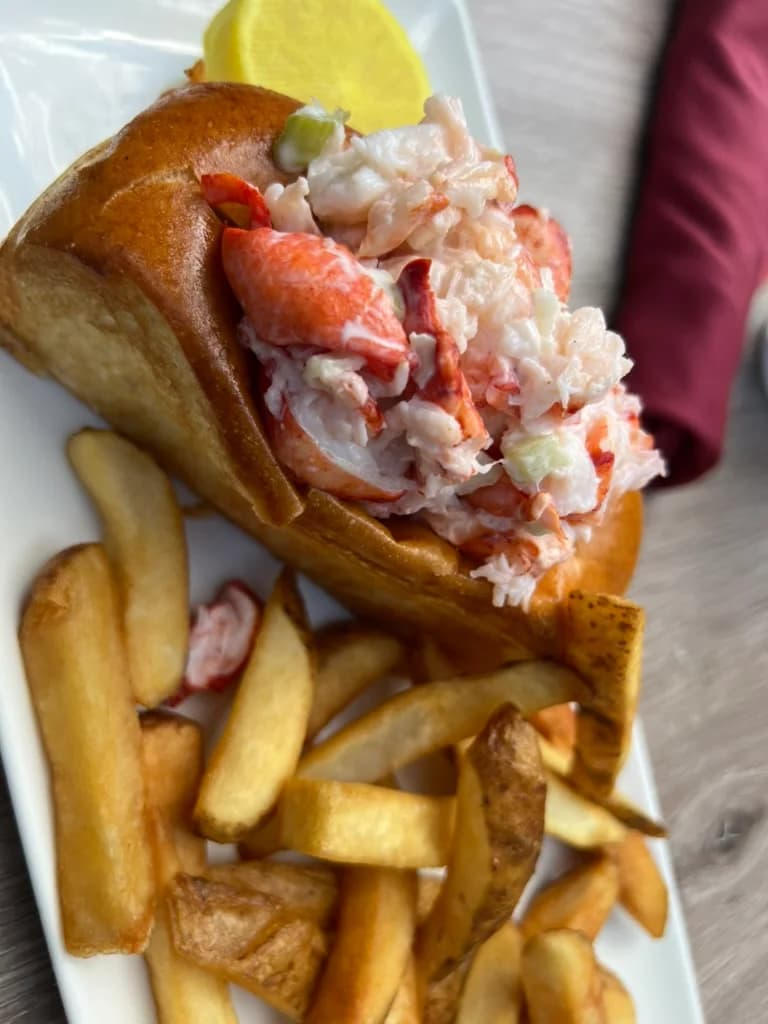
Lobster roll: Available two ways, cold with mayo or warm with butter. Both are correct. The cold version tends to dominate in Boston, and the quality varies significantly between tourist traps and the real thing.
Boston cream pie: The official state dessert, a yellow cake filled with custard and topped with chocolate ganache. The Omni Parker House hotel claims to have originated it, and you can order it there.
Cannoli from the North End: Mike's Pastry and Modern Pastry sit within a block of each other on Hanover Street and have been competing for neighborhood loyalty for decades. Both are worth trying. Get one filled to order rather than pre-filled if you can.
Fenway Frank: A steamed hot dog at Fenway Park. It is not a culinary achievement by any objective measure, but eating one during a game is part of the experience.
Sam Adams lager: The Boston Beer Company launched here in 1984, and the flagship Boston Lager remains a local touchstone. You can visit the brewery in the Jamaica Plain neighborhood for a tour and tasting.
Fried clams: Whole-belly fried clams, not clam strips, are the New England standard. They are messier and more flavorful. Look for them at seafood shacks in the harbor area or on day trips to the North Shore.
Dunkin coffee: Dunkin (formerly Dunkin Donuts) has a near-mythological status in Boston. The city has more Dunkin locations per capita than almost anywhere in the country. It is a budget option and a cultural experience in one.
For a well-rounded Boston travel guide, food is inseparable from the city's identity. From the North End's Italian bakeries to the Seaport's newer seafood-forward restaurants, eating your way through the neighborhoods is one of the more reliable ways to understand the city.
Top Places to Visit in Boston
View all See & Do
 See & DoModerate · $$
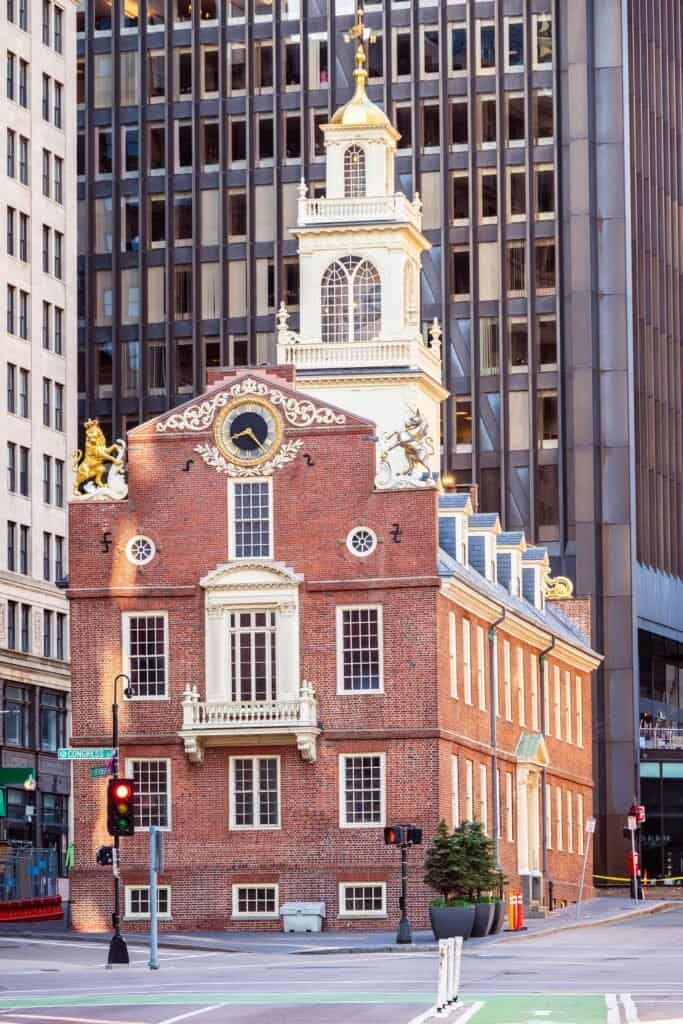
Old State House
 See & DoBudget · $
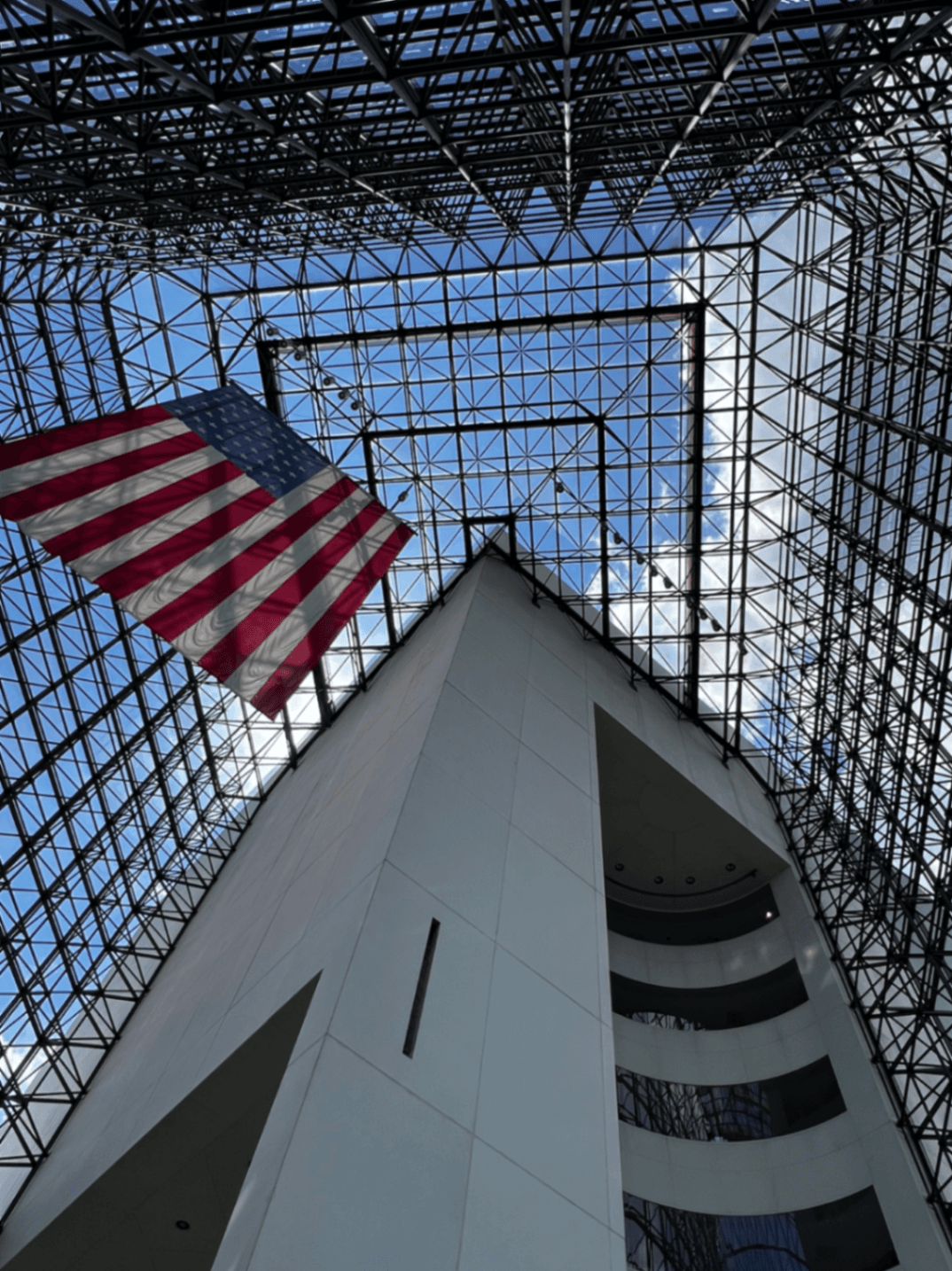
John F. Kennedy Presidential Library and Museum
 See & Do
 See & Do
Museum of Fine Arts, Boston
 See & Do
 See & Do
Boston Harbor Islands National & State Park
 See & Do
Top Places to Eat in Boston
View all Eat & DrinkModerate · $$
 Eat & DrinkModerate · $$
 Eat & DrinkModerate · $$
F1 Arcade Boston
 Eat & DrinkModerate · $$
 Eat & DrinkModerate · $$
 Eat & DrinkModerate · $$
 Eat & Drink
 Eat & DrinkModerate · $$
Bookable experiences
Top experiences in Boston

Boston Private 3-Hour Tour by Car

1 If By Land Walking Tours

Boston: Votes for Women History Tour of Back Bay

Harvard Square's Sweetest Food Tour: Donuts, Sweet Treats & More

A Taste of the Freedom Trail: Iconic Boston Food & History Tour

Back Bay Chocolate and Art Galleries Tour
Bookings made via these links may earn Bazar Travels a small commission, at no extra cost to you. Tours are provided by Viator, a Tripadvisor company.