
Brera District
Brera District
Via Pontaccio, Via FatebeneFratelli, Via dei Giardini, Via Monte di Pieta, Via Ponte Vetero and Via Mercato., Milan Italy Posted by Brandon B.Admin
Milan's Most Storied Neighborhood: The Brera District
The Brera District sits in the northern part of Milan's historic center, loosely bounded by Via Pontaccio, Via Fatebenefratelli, Via dei Giardini, Via Monte di Pietà, Via Ponte Vetero, and Via Mercato. It is the kind of neighborhood that rewards slow walking. Cobblestoned streets, ivy-draped facades, and the constant low hum of gallery conversation give Brera a character unlike anywhere else in Milan. If you arrive expecting the fashion-forward gloss of the Quadrilatero della Moda, you will find something quieter and, depending on your taste, more interesting.
Artists settled here in the 19th century, drawn by the presence of the Accademia di Belle Arti di Brera, and their influence never fully left. Today the district is home to independent galleries, antique dealers, aperitivo bars, and some of the city's most dependable trattorias. It walks a line between genuinely lived-in and undeniably curated, and it mostly manages to keep its balance.
Why the Brera District Matters
Most Milan neighborhoods reinvent themselves every decade or so. Brera has stayed recognizable for well over 150 years. The Pinacoteca di Brera, one of Italy's most significant art museums, has anchored the area since the late 18th century and continues to draw serious visitors from around the world. Around it, the neighborhood grew into a kind of creative ecosystem, with the Accademia di Belle Arti feeding generations of painters, sculptors, and architects directly into the streets outside.
That continuity matters. When you walk down Via Fiori Chiari on a Tuesday afternoon, you are walking a route that students, dealers, and working artists have walked for over a century. The street furniture changes. The feeling doesn't.
Quick Facts
- Location: Northern historic center of Milan, roughly 10 minutes on foot from the Duomo
- Best access by Metro: Lanza (Line 2, green) or Montenapoleone (Line 3, yellow)
- Core streets: Via Fiori Chiari, Via Fiori Oscuri, Via Madonnina, and the main axis of Via Brera
- Anchor institution: Pinacoteca di Brera, housed in the Palazzo di Brera, built from 1651
- Character: Artsy, residential, upscale without being sterile
- Best days to visit: Weekday mornings for calm; third Sunday of the month for the antiques market
- Free to explore: The streets, gardens, and most of the atmosphere cost nothing
Getting There
From Milan Centrale, the most straightforward route is the green Metro Line 2 to Lanza, which puts you about 5 minutes on foot from the Pinacoteca. From the Duomo, you can walk the whole way in roughly 15 minutes heading northwest, passing through the elegant Corso Garibaldi corridor. Trams run along Corso Garibaldi and Via Pontaccio if you'd rather not walk.
Driving into Brera is technically possible but practically pointless. The streets are narrow, parking is scarce, and the district is dense enough that arriving by car only adds frustration. Cycling works well, and the city's BikeMi share scheme has several docking stations near the perimeter.
The Layout and Experience
Brera is not large. You can walk from one edge to the other in about 12 minutes at a relaxed pace, which means the density of what's packed in here is genuinely impressive. The Palazzo di Brera sits at the center, a large 17th-century building that houses the Pinacoteca, the Accademia, the Biblioteca Braidense (one of Italy's national libraries), and the Orto Botanico di Brera, a small botanical garden that most visitors completely miss.
Radiating out from the Palazzo, the streets fall into a loose grid that feels more organic than planned. Via Fiori Chiari and Via Fiori Oscuri, whose names translate roughly to "bright flowers" and "dark flowers," run parallel to each other and together form the social spine of the neighborhood. Most of the independent galleries, better wine bars, and outdoor tables concentrate along these two streets and the connecting alleys between them.
Via Madonnina tends to attract a slightly younger crowd and has a handful of good spots for coffee or lunch. Via Brera itself is the most photographed street in the district, partly because the proportions are right and partly because the Palazzo facade closes the view at the northern end in a way that makes every photo look composed.
Main Highlights
Pinacoteca di Brera
The Pinacoteca holds one of the most important collections of Northern Italian painting in existence. Works by Raphael, Mantegna, Caravaggio, and Bramante are displayed across 38 rooms. Mantegna's "Dead Christ," painted in the 1480s, is arguably the single most discussed painting in the building, and the room that contains it is usually quiet enough to actually look at it properly. Timed entry tickets are available online, and booking ahead on weekends is strongly recommended.
The Orto Botanico
Tucked inside the Palazzo di Brera's courtyard, the botanical garden opened in 1775 and covers a modest but well-maintained plot. It is the kind of place that Milan residents tend to know about and tourists routinely overlook. On warm days it provides a genuinely peaceful pause between gallery rooms.
The Antiques Market
On the third Sunday of each month, Via Fiori Chiari and the surrounding streets fill with antiques and vintage dealers. It runs through the morning into early afternoon and draws a mix of serious collectors and casual browsers. If you are in Milan on that weekend, it is worth arranging your schedule around it.
The Gallery Scene
Brera has more independent contemporary art galleries per block than any other Milan neighborhood. They range from established names showing international artists to small project spaces showing recent graduates. Most are free to enter and open Tuesday through Saturday. The concentration along Via Fiori Chiari and Via Pontaccio is particularly dense.
History and Background
The name Brera likely derives from a Lombard word meaning "uncultivated land," which gives you a sense of how dramatically the area has changed. By the medieval period it had developed into a residential district outside the old Roman walls. The Jesuits arrived in the 16th century and established a college in what would become the Palazzo di Brera, and their institutional presence shaped the neighborhood's identity for generations.
When Napoleon suppressed religious orders and reorganized northern Italy in the late 18th century, he converted the Palazzo into a cultural hub, establishing the Accademia and the Pinacoteca in 1776 and 1809 respectively. The Pinacoteca's collection was substantially built from artworks confiscated from churches and suppressed monasteries across the region, which is one reason it contains so many altarpieces and devotional works of unusually high quality.
The bohemian reputation came later, solidifying through the 19th and early 20th centuries as artists, writers, and intellectuals gravitated toward the cheap rents and studio spaces near the Accademia. That reputation has outlasted the cheap rents by several decades.
Best Time to Visit
Spring and early autumn are the most comfortable seasons in Milan generally, and Brera benefits more than most neighborhoods because so much of its appeal is street-level. Sitting outside on Via Fiori Chiari in April or October is genuinely pleasant. July and August can be hot and the city empties somewhat, which means fewer crowds but also some closed galleries and restaurants.
Within any given day, arriving before 10am gives you the streets mostly to yourself. After 6pm the aperitivo hour transforms the outdoor tables entirely, which is a different but equally worthwhile experience. The neighborhood does not really go quiet until late.
Photography Tips
Via Brera facing north toward the Palazzo facade works well in the morning when the light falls from the east. Via Fiori Chiari has good proportions for street photography at any time, and the mix of gallery signage, flower stalls, and outdoor tables gives you plenty of foreground interest. The courtyard inside the Palazzo di Brera, with its statue of Napoleon as Mars the Peacemaker by Canova, is worth photographing early before tour groups arrive. The Orto Botanico photographs best in spring when the planting is densest.
Combining with Nearby Attractions
The Castello Sforzesco is about 10 minutes on foot heading west, and pairing a Brera morning with an afternoon at the Castello makes for a full and varied day. The Cimitero Monumentale, Milan's extraordinary open-air sculpture museum of a cemetery, is about 20 minutes on foot heading north and is dramatically undervisited. To the south, the Quadrilatero della Moda starts roughly at Via Manzoni and offers a sharp contrast in atmosphere if you want to feel the other register of Milan's personality.
Practical Tips
- Book Pinacoteca tickets online in advance, especially on weekends and in spring
- Most galleries are closed Mondays, so a Monday visit is better suited to the streets, cafes, and market if it falls on the right Sunday
- Aperitivo typically starts around 6pm and runs to 9pm; most bars on Via Fiori Chiari and Via Madonnina participate
- The Orto Botanico has limited opening hours and is often closed in winter; check current times before building your visit around it
- Brera is a residential neighborhood, so noise after late evening is genuinely frowned upon by locals
- Wear comfortable shoes; the cobblestones on Via Fiori Chiari are beautiful and uneven in equal measure
- Several trattorias in the area do not take reservations for lunch; arriving before 12:30pm usually secures a table without a wait
FAQ
Is the Brera District expensive?
The neighborhood itself is free to walk and explore. The Pinacoteca charges a general admission fee that falls in the mid-range for Italian museums. Restaurants and bars skew upscale compared to outer Milan neighborhoods, but you can eat and drink well without spending excessively if you choose trattorias over tourist-facing spots on the main drag.
How much time should I plan for a visit?
A focused visit to the Pinacoteca alone takes most people between 2 and 3 hours. Add another 2 hours for a proper wander through the streets, a coffee, and a look into a few galleries. If you arrive for aperitivo and stay for dinner, you can comfortably fill an evening as well.
Is Brera suitable for children?
The streets are easy and interesting for older children. The Pinacoteca runs occasional family-oriented programs, and the botanical garden tends to hold children's attention. Very young children may find the gallery rooms less engaging, but the outdoor market days and street atmosphere work for most ages.
Can I visit Brera on a Sunday?
Yes, and on the third Sunday of the month you get the antiques market as a bonus. Many galleries are closed on Sundays, but the Pinacoteca is typically open. The streets are busier on Sunday afternoons, which some visitors enjoy and others find less appealing.
Reviews
Sign in and mark this place visited to leave a review.
No reviews yet.
Free Trip Planner
Plan your Italy trip with our free planner
Build a day-by-day itinerary with AI suggestions, hand-picked places, and friends. Free forever — no credit card.
Things to see near Brera District
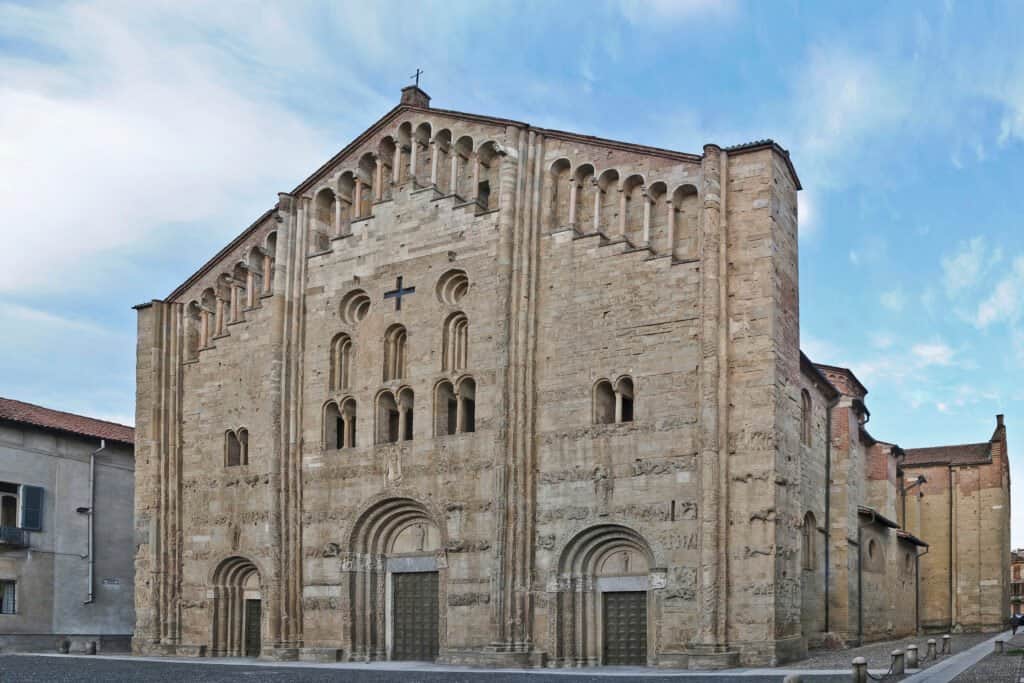
San Michele Maggiore Church
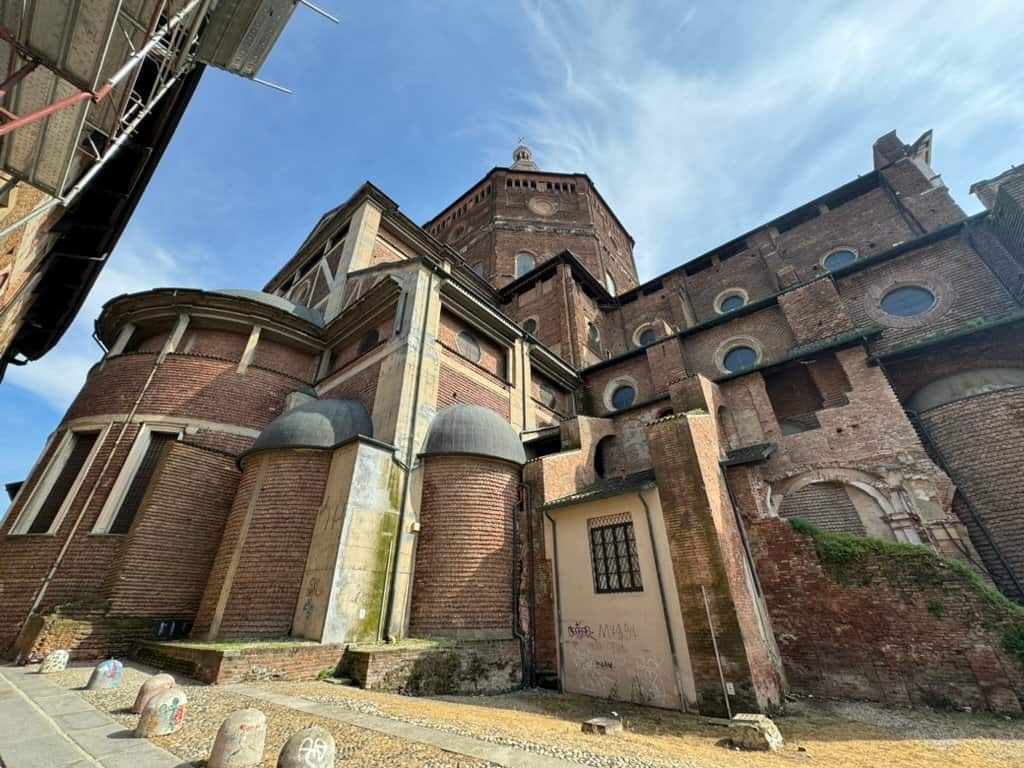
Cathedral of Pavia
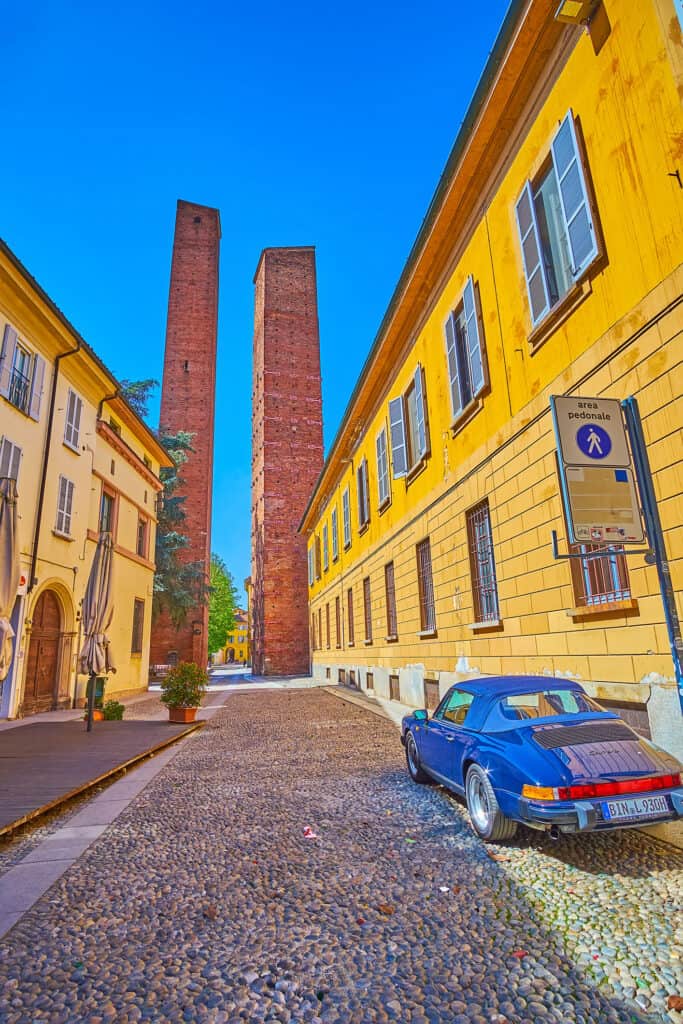
Towers of Pavia (Torri di Pavia)
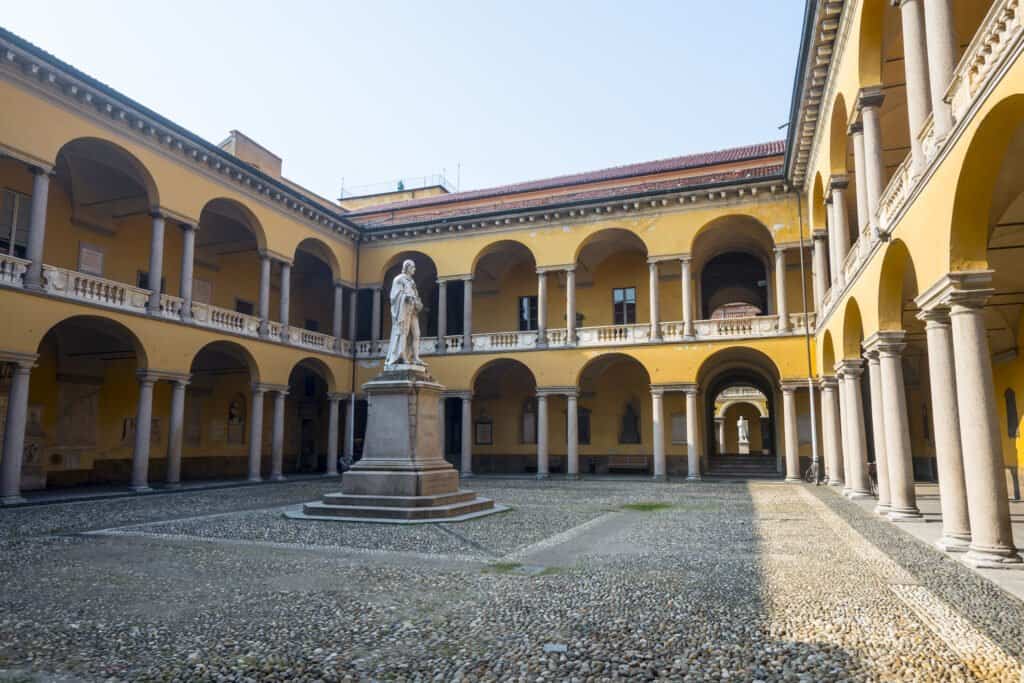
The University of Pavia
Places to eat or drink near Brera District

Pasticceria Vigoni

Pizza e Mozzarella
![[LA] Gelateria della Musica](https://lh3.googleusercontent.com/grass-cs/AABkmLezQ1aahZ3Sj4IKvguuB34dH27jVTId85hNXzYEv9WG7GfBYHmI1cwHUPQVisLeNLAKCNmd1glh0QlkPrqj2oRaVJ7D4jkdmWOq7BbYLzAtEceYr8t1MxXkfmk96U5ezHE2vYUBkvyeVynx=s4800-w1600-h1600)
[LA] Gelateria della Musica

Officina Milano
More places in Milan

miscusi Milano Centrale
Reminisce The Good Ol’ Days At La Scala

Villa Necchi Campiglio
