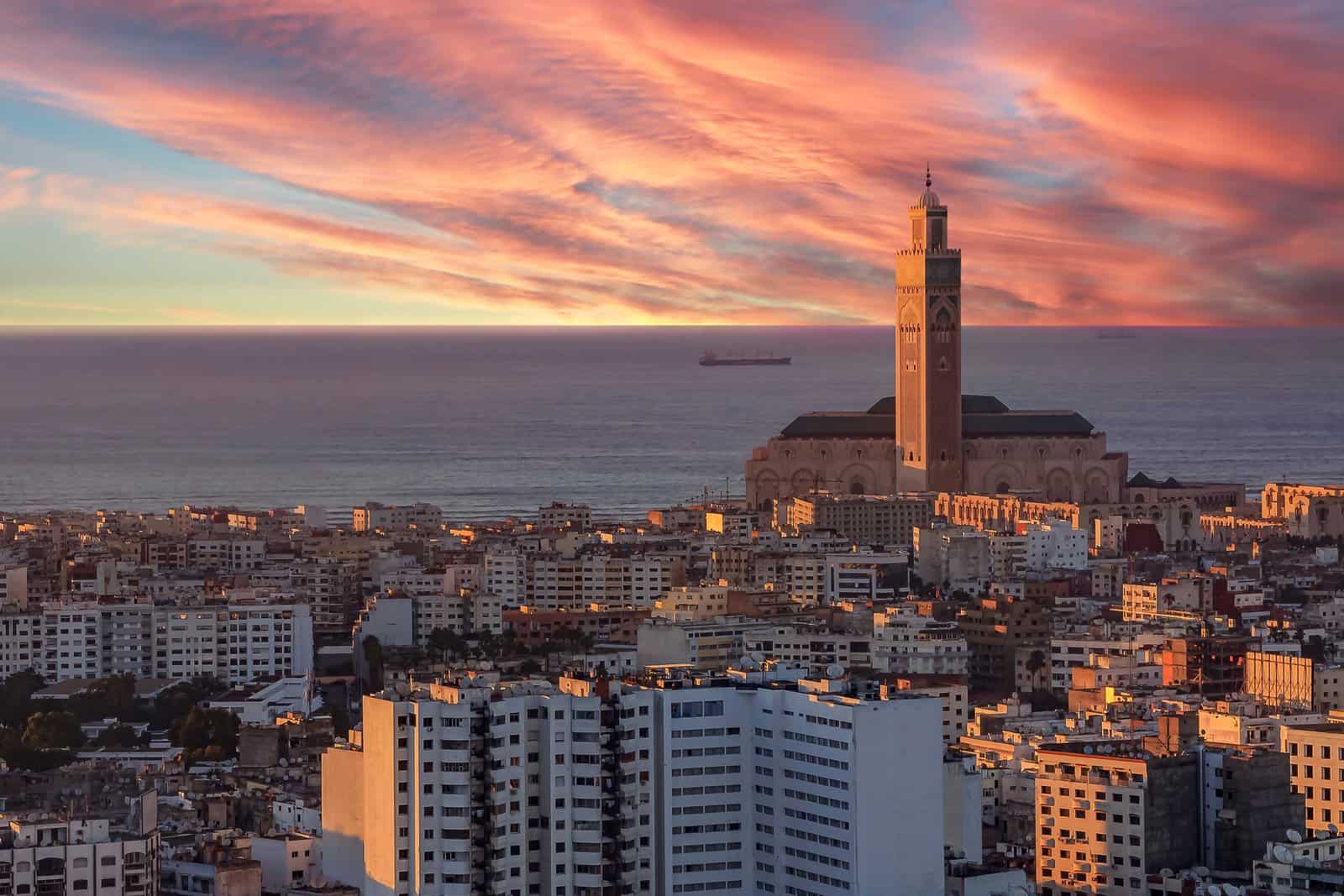
Cap Spartel
14km west of Tangier, Tangier Morocco Posted by Brandon B.Admin
Where the Atlantic Meets the Mediterranean at Cap Spartel
Cap Spartel is the northwestern tip of Africa, the point where the Atlantic Ocean and the Mediterranean Sea collide in a visible, churning line just offshore. It sits about 14 kilometers west of Tangier, past the wealthy residential suburb of La Montagne and through a stretch of dense cork oak forest that feels nothing like the city you just left. If you have one afternoon free in Tangier and you want to leave with a sense of where you actually are on the planet, this is the place to spend it.
The cape draws a particular kind of traveler: people who care about geography as much as scenery. Standing at the lighthouse with binoculars on a clear day, you can see the coast of Spain across the Strait of Gibraltar. That's Europe, visible from Africa, separated by roughly 14 kilometers of open water.
Quick Facts
- Location: 14 km west of Tangier, accessible by road through the Forest of Rmilat
- The lighthouse was built in 1864, making it one of the oldest on the African continent
- The cape marks the boundary between the Atlantic and Mediterranean, two distinct bodies of water
- Closest major landmark: the Caves of Hercules lie just 5 kilometers south along the coast
- No entry fee to visit the cape itself, though the lighthouse interior is not open to the public
- The surrounding area falls within the Rmilat Forest, a protected green zone
Getting There
From central Tangier, the most straightforward option is a grand taxi. Negotiate the fare before you get in. Most drivers know Cap Spartel well and will offer a round trip with waiting time, which makes sense if you also want to stop at the Caves of Hercules on the way back. The drive takes roughly 20 to 25 minutes depending on traffic leaving Tangier.
There is no reliable public bus route that goes all the way to the cape. Some visitors hire a driver for a half-day and combine Cap Spartel with the Caves of Hercules and the nearby beach at Robinson Plage. If you're staying in the medina or the port area, ride-share apps do operate in Tangier and can work as an alternative.
The road itself is pleasant. Once you pass La Montagne neighborhood, the forest closes in on both sides and the road narrows. You'll pass a few cafes and a hotel or two before the trees open up at the cape.
The Lighthouse and the View
The 1864 lighthouse is the visual anchor of Cap Spartel. It's a working structure, white with a red band near the top, and it stands above a rocky bluff that drops toward the water. The grounds immediately around it are tended and calm, and on most days you can walk right up to the base and look out at the strait.
The famous meeting of the two seas is most visible when conditions cooperate. On calm days the color difference between the Atlantic and Mediterranean water is subtle. After a storm or when currents are strong, the line is more dramatic. Locals will often point it out to you without being asked.
Looking north from the cape on a clear day, you get the Spanish coastline in full view. The hills above Tarifa are usually visible, and on exceptional days you can make out the outline of Gibraltar itself. It's a genuinely arresting sight that no photograph quite captures the way the mind does.
History and Background
The cape has been a navigational landmark for far longer than the lighthouse has stood here. Ancient Phoenician and Roman sailors knew this headland as the western boundary of the known Mediterranean world. The Romans called the two promontories flanking the Strait of Gibraltar the Pillars of Hercules, with Cap Spartel on the African side and Punta Marroqui near Tarifa on the European side.
The 1864 lighthouse was funded by a consortium of European and American nations, all of whom had a commercial interest in safe navigation through the strait. That international arrangement made it one of the first jointly maintained lighthouses in the world, an unusual piece of diplomatic history embedded in an otherwise quiet headland.
Below the cape, about 5 kilometers south, the Caves of Hercules add another layer of myth and archaeology to the area. These sea caves were used by Neolithic peoples, later by Roman settlers who quarried millstones from the rock, and eventually became associated with the legend of Hercules resting here before completing his labors. The cave opening that faces the sea is famously shaped like the continent of Africa in silhouette.
Best Time to Visit
Late morning tends to give you the clearest visibility for the cross-strait views before afternoon haze builds up. Spring and autumn are the most comfortable seasons, when temperatures at the cape sit around the mid-teens to low twenties Celsius and the wind is manageable. Summer brings more visitors and stronger Atlantic wind, which can be refreshing or relentless depending on your tolerance.
Avoid coming in the middle of the day in July and August if you want the place to yourself. Weekends draw Tangier families who come to walk the forest paths and use the picnic areas in the Rmilat Forest nearby.
Sunsets here can be spectacular. The cape faces west into the Atlantic, and if the sky is cooperating, the light on the water turns colors that most coastal viewpoints would be proud to claim. If you arrive after 5pm in the warmer months, you'll catch the best of it.
Combining with Nearby Attractions
The most natural pairing is the Caves of Hercules, just 5 kilometers south. Most grand taxi drivers will wait for you at Cap Spartel while you explore, then take you to the caves as a second stop. Budget two to three hours for both sites comfortably.
Robinson Plage, the long stretch of Atlantic beach below the cape, is worth a stop in summer if you want to swim. The water is colder than the Mediterranean beaches closer to Tangier, but it's cleaner and far less crowded. There are a handful of beach cafes and restaurants along the strip, mostly mid-range, good for grilled fish and mint tea.
If you're making a full day of it, some visitors also continue south toward Asilah, a whitewashed coastal town about 45 kilometers from Tangier, though that turns the excursion into something more substantial than an afternoon trip.
Photography Tips
The lighthouse photographs best in the morning when the light comes from the east and hits the white tower directly. For the meeting of the seas, a longer lens helps you compress the water and make the color contrast more visible. A polarizing filter is genuinely useful here if you shoot with a camera rather than a phone.
The forest road leading to the cape offers some underrated shots. The cork oaks are old and gnarled, and the light filtering through them in the late afternoon is soft and interesting. Most visitors drive straight through without stopping.
For the view toward Spain, shoot from the rocks slightly to the west of the lighthouse rather than from the main viewing area. You'll get the lighthouse in the frame with the strait behind it, which is a more complete image than either subject alone.
Practical Tips
- Wear layers. The wind at the cape is consistent and can feel much colder than Tangier city even in summer.
- There are a couple of small cafe-restaurants near the lighthouse entrance, useful for tea and a rest but not destination dining.
- Negotiate your grand taxi fare as a round trip with waiting time rather than a one-way, especially if you plan to visit the Caves of Hercules as well.
- The lighthouse is a working structure and not open for interior visits. Don't expect to climb it.
- Bring water if you plan to walk any of the Rmilat Forest paths, which can extend a visit significantly.
- Mobile signal is generally fine along the main road but can drop in parts of the forest.
FAQ
Can you swim at Cap Spartel?
Not directly at the cape itself, which is rocky and exposed. Robinson Plage, a few kilometers south, is the nearest proper swimming beach. The Atlantic water there tends to be cooler than what you'd find on Tangier's Mediterranean-facing beaches.
Is it worth the trip from Tangier?
For most visitors, yes. The drive alone through the Rmilat Forest is a change of pace from the city, and the combination of geographical significance and lighthouse scenery gives you more to think about than a typical viewpoint stop. Pair it with the Caves of Hercules and you have a solid half-day out of Tangier.
Do you need a guide?
No. Cap Spartel is straightforward to visit independently. A knowledgeable local guide adds historical context that enriches the Caves of Hercules visit more than the cape itself, so if you're hiring a guide, base that decision on the caves rather than the headland.
Is it accessible for visitors with mobility limitations?
The main viewing area near the lighthouse is relatively flat and reachable from the road without significant climbing. The rocky paths down toward the water require more care and are not suitable for wheelchairs or anyone with limited mobility.
Reviews
Sign in and mark this place visited to leave a review.
No reviews yet.
Free Trip Planner
Plan your Morocco trip with our free planner
Build a day-by-day itinerary with AI suggestions, hand-picked places, and friends. Free forever — no credit card.